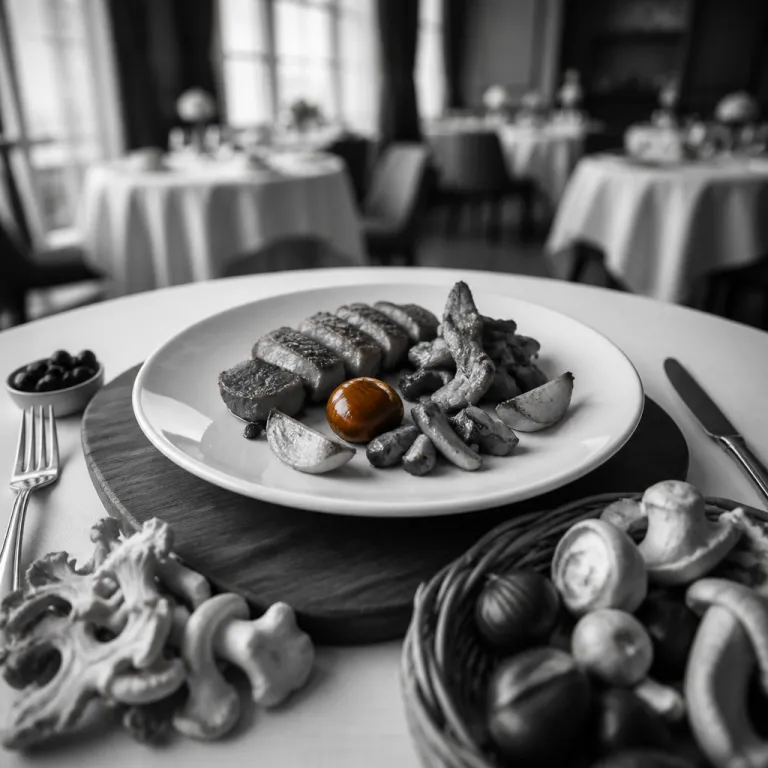
Why autumn is the most honest season for French hotel kitchens
Autumn in France changes the light, the markets and the menus. As the season cools, serious hotel chefs turn away from showy summer plates and lean into mushrooms, game, nuts and late fruit that define true autumn gastronomy. For a traveler choosing an autumn gastronomy hotel in France, this is when the kitchen finally cooks in its real voice.
Across the country, from Paris to the south of France, you feel the shift in every dining room and every hotel spa lounge where guests arrive wrapped in wool, hungry for comfort food after a long day outside. The best French properties let the landscape write the menu ; a château near the Loire Valley might build a whole week of culinary experiences around local venison, cèpes and apples, while a coastal hotel in the French Riviera leans on olive oil, citrus and late season fish. When you compare autumn Paris to autumn Provence, you are really comparing how chefs interpret the same season through different terroirs and traditions.
In Paris France, grand palace addresses near the Grand Palais often use autumn to reset, trimming summer crowd pleasers and returning to quietly confident French gastronomy. A luxury hotel that takes food seriously will show it in the way the sommelier pairs wine with each dish, not just offering generic food and wine matches but suggesting specific wine tasting flights that echo the forest, the cellar and the city light outside. If you care about where your money and your time go, this is the moment when a restaurant inside a hotel stops being a convenience and becomes the reason to stay.
From forest to pass: foraging, gardens and real sourcing
In a genuine autumn gastronomy hotel in France, the story of the plate usually starts in the woods. Many French hotel kitchens now work with licensed foragers who bring in girolles, trompettes de la mort and wild herbs within hours, and the best teams treat these deliveries with the same respect as a grand cru wine. When a chef talks about foraging, ask how many minutes or hours — not days — pass between the forest and your plate ; if the answer is under 120 min, you are likely in the right restaurant.
Kitchen gardens are another test of seriousness, especially in rural France where land is available and the climate is kind. Some château properties in the Loire Valley or autumn Provence maintain potagers that supply most of their vegetables and herbs, but the key is whether the garden shapes the menu or just the marketing copy. For a deeper look at how fire, farms and fermentation are changing hotel food culture, the analysis in this guide to the new language of French hotel gastronomy helps frame what you should expect from truly local sourcing.
In Paris, where space is tight, luxury hotels often partner with Île de France growers for seasonal produce and with small mills for grains that suit slow cooking. A serious autumn menu might feature roasted root vegetables glazed with local honey and olive oil, served alongside game birds hung just long enough to deepen flavor without scaring cautious guests. When you read the menu, look for the names of farms, rivers and villages ; those details signal that the chef is anchored in French gastronomy rather than chasing global trends.
Fire, slow time and the textures of cold weather cooking
Once the first chill hits, the best hotel kitchens in France change not only ingredients but technique. Autumn is when braises, long roasts and live fire cooking return to the pass, and when a guest can feel the difference between a reheated sauce and one that has been tended for hours. If you are choosing an autumn gastronomy hotel in France, ask how many dishes rely on slow cooking rather than quick pan work.
In the south of France, chefs often combine Mediterranean lightness with cold weather depth, layering olive oil, fennel and citrus over slow cooked lamb or wild boar. Up in the Loire Valley, you might find river fish gently poached in wine, served with leeks and butter, while in autumn Paris the focus shifts to rich jus, gratins and pastries that feel like elevated comfort food. For a sense of how regional wine and food travel together, the route outlined in this gastronomy trail from Gevrey Chambertin to Beaune shows how cellars and kitchens speak the same language.
Live fire is especially powerful in a hotel setting, where guests move from the spa to the bar and then to a dining room scented with smoke and roasting meat. A thoughtful chef will use embers to finish mushrooms, toast nuts or char leeks, building layers that echo the forest floor and the vineyard. When a restaurant lists cooking times in hours and mentions specific woods used for grilling, you can usually trust that the kitchen is serious about both flavor and season.
Reading the menu: how to spot real seasonality and place
For a solo traveler booking a luxury stay, the menu is often the most honest brochure. A truly seasonal restaurant inside an autumn gastronomy hotel in France will change dishes every few weeks, sometimes every day, depending on what arrives from the market or the forest. Static menus that look the same in autumn and spring usually signal a kitchen cooking for convenience rather than curiosity.
Look for specific references to autumn — not just pumpkin clichés but cèpes, chestnuts, quince, partridge, hare and late season grapes. In Paris France, some grand hotels near the Grand Palais build entire tasting menus around a single product like wild mushrooms or game, pairing each course with a different wine from the same region to create layered culinary experiences. In autumn Provence, by contrast, you might see olive oil pressed from nearby groves used three ways in one meal, from a raw drizzle over fish to a slow confit of vegetables and finally in a dessert scented with citrus.
Wine lists tell their own story, especially when they highlight local appellations rather than only famous labels. A hotel that takes French gastronomy seriously will offer both structured wine tasting flights and more relaxed food and wine pairings by the glass, allowing you to explore without committing to a full bottle. When the sommelier talks about how the city light in autumn Paris changes the mood of a certain wine, or how the mistral shapes reds in the south of France, you are hearing the kind of detail that separates a generic luxury stay from an experience rooted in place.
Choosing your autumn base: from Paris to Provence and the Riviera
Where you stay in autumn France shapes not only your view but your plate. Paris offers density — more Michelin starred hotel restaurants within a short métro ride than almost anywhere else — while the countryside trades choice for intimacy and direct access to producers. When you plan an autumn gastronomy hotel in France, think first about which landscapes and markets you want to wake up near.
Autumn Paris suits travelers who like to walk from gallery to table, moving between the Grand Palais, the Seine and hotel dining rooms that glow at night. Many luxury properties here balance formal tasting menus with more relaxed, family friendly brasseries, giving you the option of a long food and wine evening or a quick plate before a late show. Down in the French Riviera, the season is quieter, the air softer, and hotel terraces become stages for seafood, citrus and olive oil driven menus that still feel light even when the techniques lean toward slow cooking.
In autumn Provence and the wider south of France, hotel spa retreats and hilltop château properties often build weekend packages around truffle hunts, vineyard walks and regional wine tasting. If you are planning a longer private stay or even an elegant celebration, the itinerary ideas in this guide to luxury hotel stays in southern France translate easily into solo travel plans focused on food. Wherever you go, remember that the best French hotels let the region speak through the menu, the cellar and the small details — from the bread at breakfast to the last glass poured before bed.
FAQ
How can I tell if a hotel restaurant in France is truly seasonal in autumn ?
A genuinely seasonal hotel restaurant will change its menu frequently and reference specific autumn products such as cèpes, chestnuts, game birds and late fruit. Staff should be able to explain where key ingredients come from and how long they have been in season. If the same dishes appear unchanged across different seasons, the kitchen is probably not cooking with a strong autumn focus.
Is it worth booking a hotel mainly for its restaurant when traveling solo ?
For a solo explorer interested in French gastronomy, booking a hotel primarily for its restaurant can be an excellent strategy. You gain easy access to serious cooking, a well curated cellar and often a counter seat or bar menu that feels comfortable when dining alone. It also reduces travel time at night, letting you move from spa to table to room in just a few minutes.
Do I need to book wine tastings separately from my hotel stay ?
Many luxury hotels in wine regions such as the Loire Valley, Provence or Burgundy can arrange wine tasting experiences directly through their concierge. Some properties host their own tastings in the bar or cellar, while others partner with nearby domaines for private visits. It is wise to ask about these options when you reserve your room, especially during busy harvest periods.
Are Michelin starred hotel restaurants always the best choice in autumn ?
Michelin stars signal consistent quality and technique, but they are not the only measure of a memorable autumn meal. Some non starred hotel restaurants work closely with local producers and foragers, offering deeply seasonal menus that feel more personal and less formal. When choosing where to eat, balance recognition with how well the restaurant’s style matches your own travel mood.
What should I pack for an autumn gastronomy focused trip to France ?
For an autumn trip centered on food, pack smart casual clothing that works in both relaxed dining rooms and more formal hotel restaurants. Include layers for cool evenings, comfortable shoes for market visits and vineyard walks, and perhaps one polished outfit for a special tasting menu. If you plan to use hotel spa facilities, remember swimwear and lightweight loungewear so you can move easily from sauna to dinner.