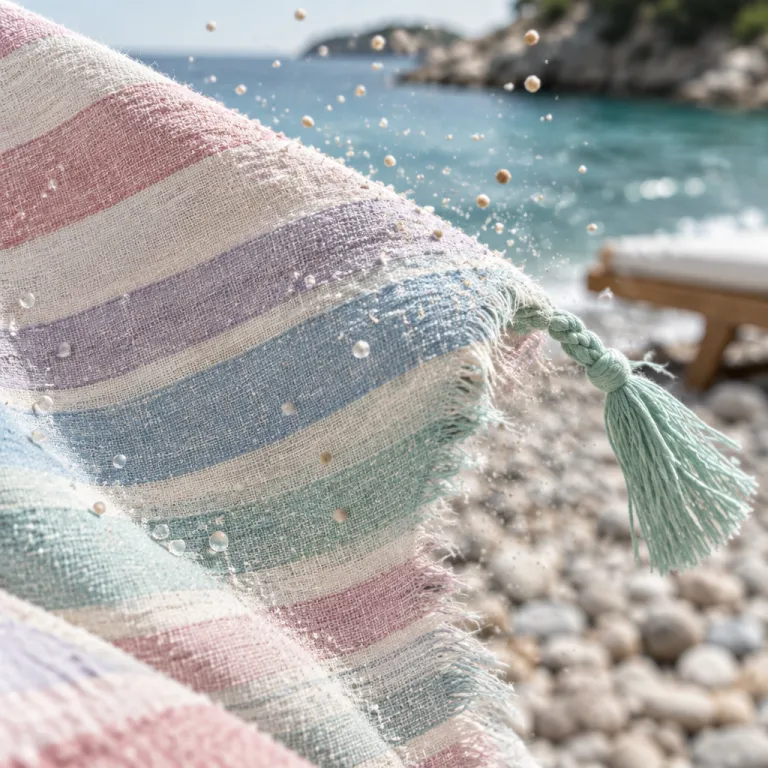
Hidden dive beach hotels on the Côte d’Azur: how to find the quietest coves
Why travellers consider a hidden dive beach hotel on the Côte d’Azur
A truly hidden dive beach hotel on the Côte d’Azur offers rare intimacy. On this stretch of the French Riviera, where every metre of coast feels curated, a discreet hotel with direct sea access becomes a private stage for underwater exploration. Many travellers consider these properties when they want the elegance of France with the quiet of a secluded cove.
The typical hidden dive beach hotel on the Côte d’Azur sits between pine shaded cliffs and a translucent sea, often near a small cap or promontory such as Cap Ferrat or Cap d’Antibes. From these hotels, guests can slip into the water before breakfast, swim over posidonia meadows, then return to a terrace where the only sounds are cutlery and waves. This blend of effortless access to the sea and refined service is what turns a simple beach hotel into a genuine hidden gem on the coast.
On a premium booking website dedicated to luxury hotels in France, you will usually find these hidden gems under filters such as “private cove”, “direct beach access”, or “snorkelling friendly”. The best curated platforms highlight whether the hotel faces the open sea or a calmer baie sur mer, and whether the beach is sand, pebbles, or flat rocks ideal for diving. For travellers who value tranquillity, it is worth checking satellite views and guest photos to confirm that the beach really feels hidden and not just another crowded stretch of the Côte d’Azur.
From Cannes to Saint-Tropez : mapping the most beautiful hidden coves
Between Cannes and Saint Tropez, the coast folds into a series of beautiful inlets that shelter some of the most appealing hidden dive beach hotels on the Côte d’Azur. Around Cannes, the shoreline near La Croix des Gardes and the smaller caps to the west hides intimate hotels where pine trees lean over the sea. These properties often arrange private boat transfers for day trips to the Îles de Lérins, turning a simple swim into a full marine escape.
Off the coast of Cannes, the Lérins Islands of Sainte Marguerite and Saint Honorat are essential for travellers who love clear water and quiet beaches. A luxury hotel on the mainland may offer packages that include boat shuttles, picnic baskets, and guided snorkelling around Sainte Marguerite’s rocky coves, where the sea is calm and visibility excellent. On Saint Honorat, guests can combine a tasting of the monks’ wines with a swim from the island’s tiny beaches, then return to their beach hotel on the French Riviera at sunset.
Farther along the coast, the red rocks of the Estérel massif frame some of the most dramatic hidden gems near Saint Raphaël and Théoule sur Mer. Here, travellers consider hotels that cling to the cliffs, with elevators or stepped paths leading directly to small platforms carved into the rock. These are not wide sandy beaches, but they offer superb diving conditions and a feeling of being suspended between the sky, the sea, and the glowing côte azur cliffs, which many repeat guests describe as the most beautiful light on the entire coast.
For those comparing Mediterranean escapes with the Atlantic, it is worth reading about the Atlantic coast and islands at their autumn best before deciding which sea suits their style. The Atlantic offers long surfing beaches and big skies, while the Côte d’Azur focuses on intimate coves, calmer water, and hotels that feel like private villas sur mer. Both coasts reward careful hotel selection, but only the French Riviera combines this density of hidden coves with such a concentration of luxury properties.
Cap Ferrat, Saint-Jean and the art of discreet luxury by the sea
Cap Ferrat remains one of the most prestigious addresses on the French Riviera, yet it still shelters several azur hidden retreats that feel surprisingly low key. Around the village of Saint Jean Cap Ferrat, a handful of luxury hotels sit just above the coastal path, with steps leading down to tiny beaches where the water is glass clear. For travellers seeking a hidden dive beach hotel on the Côte d’Azur, this peninsula offers an ideal balance between privacy and proximity to Nice and Monaco.
In Saint Jean itself, cobbled streets lined with cafés lead down to the port, where hotel launches wait to whisk guests to nearby bays. Some hotels here provide complimentary snorkelling gear, paddleboards, and even marine biologists for private outings, turning a simple swim into an educational immersion in the local sea life. Travellers consider these extras when comparing hotels, because they transform a stay sur mer into a curated coastal experience rather than just a room with a view.
Cap Ferrat also works beautifully as a base for day trips along the coast, from the Italian border to Cannes. Guests can spend one day exploring the artistic hill town of Saint-Paul-de-Vence, then return to their beach hotel for a twilight swim in the still warm sea. Another day might be devoted to a coastal drive, linking the hidden gems of Villefranche sur Mer, Beaulieu sur Mer, and Èze sur Mer, each with its own character and style of hotel.
For travellers planning a longer itinerary in France, it can be interesting to pair a stay on Cap Ferrat with a few nights in the Alps during the golden weeks between summer and winter, using a curated guide to luxury mountain hotels in the shoulder season. This contrast between sea and mountain highlights how different regions of France interpret luxury hospitality. On the côte azur, the focus remains firmly on the relationship between the hotel, the beach, and the ever present sea horizon.
When browsing a premium booking website, look for properties that clearly describe their access to the sea around Cap Ferrat and Saint Jean. Phrases such as “private pontoon”, “rocky bathing platform”, or “small sandy cove” matter more than generic mentions of the French Riviera. The most beautiful stays here feel like staying in a private villa, yet with the full services of a five star hotel and the freedom to slip into the water whenever the light turns that particular shade of azur hidden blue.
To compare coastal options across the country, many travellers use curated overviews of refined coastal escapes for luxury hotel stays. These guides help you understand how a hidden gem on the Côte d’Azur differs from a property on the Atlantic or in Corsica. They also highlight which hotels truly sit on the beach and which simply offer distant sea views from higher on the coast.
Quiet corners near Saint-Tropez, Sainte-Agnès and other hidden gems
Saint Tropez is famous for its beach clubs and nightlife, yet the surrounding coast still hides several tranquil coves where a discreet beach hotel can feel worlds away from the crowds. On the less publicised stretches of the peninsula, small hotels sit above narrow paths leading down to the sea, with only a few sun loungers and the sound of cicadas. Travellers consider these addresses when they want the energy of Saint Tropez by night but the calm of a hidden cove by day.
Inland, the hilltop village of Sainte-Agnès offers a striking contrast to the coastal scene, even though it remains close enough for day trips back to the sea. From its cobbled streets and stone houses, you can look down over the entire French Riviera, tracing the curve of the côte azur from Menton to Nice. Some travellers choose to split their stay between a hotel on the coast and a night or two in or near Sainte-Agnès, enjoying both the sea air and the mountain freshness.
Another under the radar area lies between Saint Raphaël and the border with Italy, where small seaside towns such as Menton and Roquebrune Cap Martin hide their own azur hidden corners. Here, hotels tend to be smaller and more residential in feel, with terraces that seem to float above the sea. A hidden dive beach hotel on this part of the Côte d’Azur often means a rocky platform with ladders into deep water, perfect for confident swimmers who prefer diving straight into the blue.
For travellers who enjoy art and history as much as the beach, combining the coast with visits to Saint-Paul-de-Vence and other perched villages creates a richer itinerary. The contrast between the medieval cobbled streets of these hill towns and the sleek lines of contemporary hotels sur mer underlines the diversity of the French Riviera. It also shows why France remains such a compelling destination for those who want both cultural depth and effortless access to the sea.
How to choose and book the right hidden dive beach hotel
Selecting the right hidden dive beach hotel on the Côte d’Azur starts with clarifying how you like to use the sea. Some travellers want a sandy beach with gentle entry, ideal for families and long shoreline walks, while others prefer rocky coves with ladders into deep water for immediate swimming. On a luxury booking website, use filters for “private beach”, “direct sea access”, and “snorkelling” to narrow the list of hotels that truly match your style.
Location along the coast matters as much as the hotel itself, because each section of the French Riviera offers a different relationship with the sea. Around Cannes and the Lérins Islands, you will find calmer bays and sheltered beaches, while the Estérel coast near Théoule sur Mer features dramatic red cliffs and deeper water. Near Cap Ferrat and Saint Jean, the coastline becomes more intricate, with small caps and inlets that create ideal conditions for hidden gems where the hotel feels wrapped in greenery and sea views.
When reading hotel descriptions, pay attention to how precisely they describe their position sur mer. A phrase such as “five minutes’ walk from the beach” can mean a busy public stretch of sand, whereas “private pontoon with direct sea access” usually signals a more exclusive setup. Guest reviews often reveal whether a supposed hidden gem really feels secluded, or whether nearby roads and beach clubs disturb the sense of calm that many travellers consider essential.
For divers and snorkellers, practical details such as water depth, current strength, and proximity to marine reserves matter as much as room size or spa facilities. Some hotels near Cannes and the Lérins Islands partner with local dive centres, offering guided outings to underwater sites around Sainte Marguerite and Saint Honorat. Others along the côte azur provide simple snorkelling gear and marked swimming zones, which can be perfectly adequate for guests who mainly want to float above the sea grass and watch fish in clear water.
Designing a refined seaside itinerary around your hidden hotel
Once you have secured a hidden dive beach hotel on the Côte d’Azur, the next step is to design an itinerary that enhances rather than disrupts the sense of calm. Many seasoned travellers consider a rhythm of slow mornings by the sea, followed by afternoon day trips to nearby villages or islands. This approach lets you enjoy the hotel’s best light and quiet hours while still exploring the wider French Riviera.
From a base near Cannes, you might plan one day around the Lérins Islands, starting with an early boat to Sainte Marguerite for a walk through the pine forest and a swim from one of the rocky coves. After a picnic on the beach, continue to Saint Honorat to visit the abbey and taste the monks’ wines before returning to your hotel for a late afternoon swim. Another day could focus on the coast itself, linking small towns such as Théoule sur Mer and Mandelieu la Napoule, each with its own angle on life sur mer.
Farther east, a stay near Cap Ferrat or Saint Jean pairs well with excursions to Villefranche sur Mer, Beaulieu sur Mer, and Èze, where cobbled streets climb steeply above the sea. Inland, the artistic enclave of Saint-Paul-de-Vence and other perched villages offer a different perspective on the côte azur, with stone houses, narrow lanes, and views that stretch from the mountains to the sea. By alternating coastal and hilltop experiences, you keep returning to your hidden gem hotel with fresh eyes, appreciating its direct relationship with the water even more.
For travellers extending their journey beyond the Mediterranean, it can be rewarding to compare this seaside rhythm with time in the Alps or on the Atlantic coast of France. Each region interprets luxury differently, but the constant remains a focus on place, light, and a strong sense of local identity. On the Côte d’Azur, that identity is inseparable from the sea, the caps that shape the coastline, and the quiet hotels that allow you to feel part of this landscape rather than just a visitor passing through.
Key figures about luxury seaside stays on the Côte d’Azur
- The Côte d’Azur welcomes several million international visitors each high season, with a significant share choosing hotels directly on or near the beach according to data from the Comité Régional du Tourisme Côte d’Azur ; this concentration explains why truly hidden gems are so prized by repeat guests.
- Studies from Atout France indicate that the French Riviera accounts for a substantial portion of France’s luxury hotel revenue, reflecting the high average daily rates commanded by sea facing properties with private beach access.
- Surveys by regional tourism boards show that proximity to the sea is one of the top decision factors for travellers booking in the south of France, often ranking above spa facilities or on site dining when guests choose between hotels on the coast.
- Environmental monitoring programmes in the Mediterranean report improving water quality in several protected zones near the Lérins Islands and Cap Ferrat, which directly benefits guests at hidden dive beach hotels who prioritise clear water and healthy marine life.
FAQ : planning a stay in a hidden dive beach hotel on the Côte d’Azur
What makes a hotel a true hidden dive beach hotel on the Côte d’Azur ?
A true hidden dive beach hotel on the Côte d’Azur combines discreet architecture, limited room numbers, and direct access to clear water suitable for swimming or snorkelling. The beach or rocky platform should feel sheltered from public crowds, often tucked into a small cove or beneath a cap. Crucially, the hotel’s design and service must enhance the sense of privacy rather than turning the setting into a busy beach club.
Which areas of the French Riviera are best for quiet seaside stays ?
For quieter stays, travellers often favour Cap Ferrat, the smaller bays around Cannes and the Lérins Islands, and certain stretches between Saint Raphaël and the Italian border. These areas offer a mix of sandy beaches and rocky coves, with hotels that feel more residential than resort like. Inland villages such as Sainte-Agnès or Saint-Paul-de-Vence also pair well with coastal stays, adding variety without long travel times.
How far in advance should I book a hidden gem hotel by the sea ?
For peak summer dates on the Côte d’Azur, it is wise to book a hidden gem hotel at least several months in advance, especially if you want specific room categories or direct beach access. Smaller properties with fewer rooms and private coves tend to fill first, particularly on weekends and during major events in Cannes or Monaco. Shoulder seasons often offer more flexibility, but the most beautiful sea facing rooms still reward early planning.
Are hidden dive beach hotels suitable for families with children ?
Many hidden dive beach hotels welcome families, but suitability depends on the type of shoreline and the hotel’s layout. Properties with sandy beaches and gentle sea entry work well for younger children, while rocky platforms with ladders into deep water are better for confident swimmers and teenagers. When booking, ask specifically about beach access, safety measures, and any age related policies for water based activities.
Can I enjoy diving and snorkelling without being a certified diver ?
Yes, most guests at hidden dive beach hotels on the Côte d’Azur focus on snorkelling and surface swimming rather than formal scuba diving. Many hotels provide masks, snorkels, and fins, and some partner with local guides for introductory outings in calm bays. Certified divers can arrange boat trips to deeper sites, while non divers still enjoy rich marine life close to shore in clear Mediterranean water.