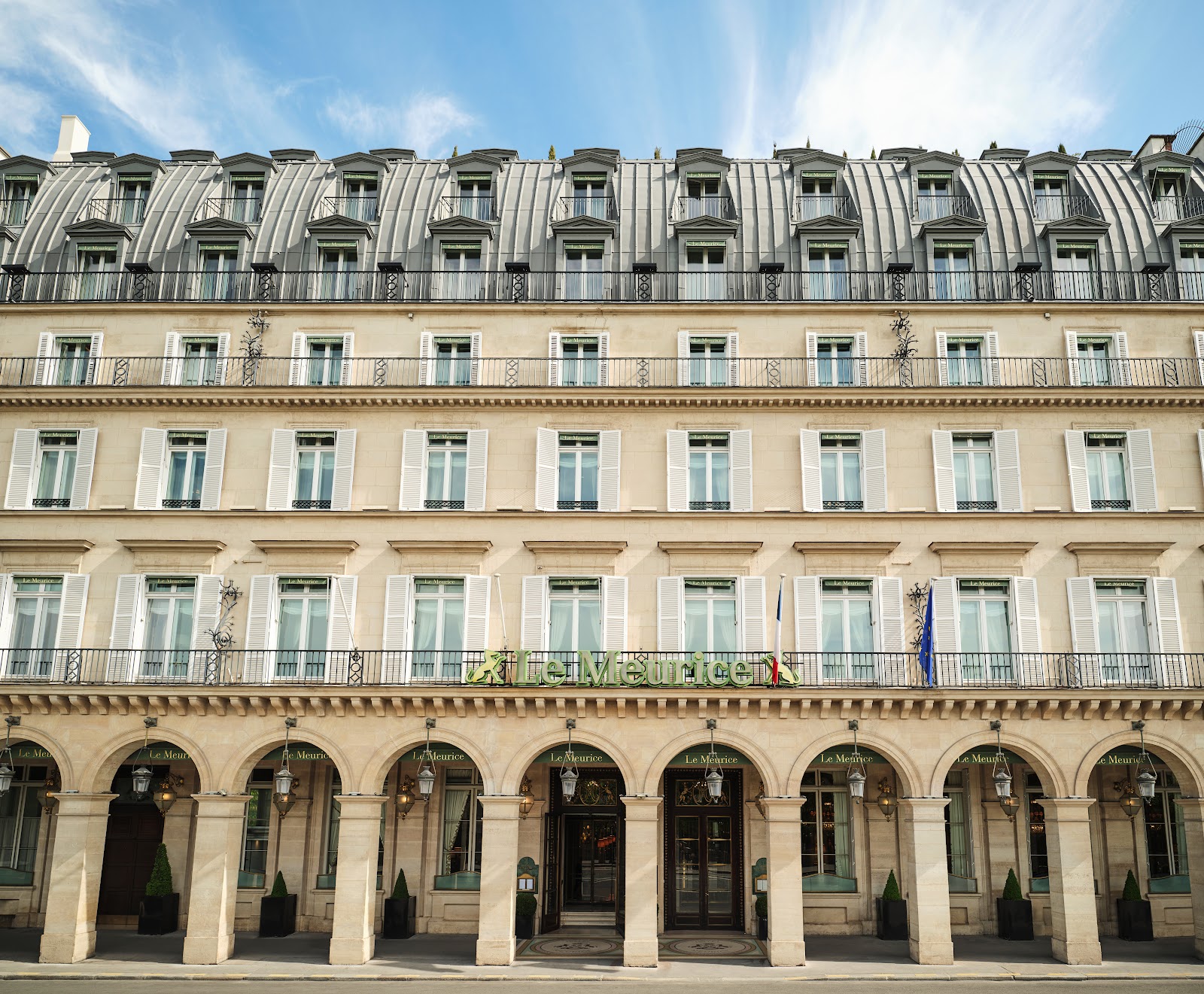
Guide to where to stay in Paris: compare central arrondissements and wider Île-de-France, with tips on metro access, room sizes, neighbourhood character and who each area suits best.
Choosing between Paris and its surrounding regions
Deciding whether to stay in central Paris or in the wider Île-de-France region shapes your entire trip. The city’s 20 arrondissements offer dense culture, walkable streets and quick access to the Eiffel Tower, the Louvre Museum and the Seine. Outside the périphérique ring road, grand estates and quieter towns trade immediacy for space, gardens and a slower rhythm.
For a first stay in Paris, sleeping within the city is usually the best choice. You step out of your hotel and you are already in a historic district, whether near the Louvre, in Saint-Germain-des-Prés or on the Île de la Cité by Notre-Dame. The concentration of star hotels is remarkable; according to the Paris Convention and Visitors Bureau (PCVB, 2023), Paris counted around 1,600 hotels in 2023, from discreet mid range addresses to palace-level properties, all feeding into a network of about 166,000 rooms across Île-de-France.
Repeat visitors, or those combining business and leisure, often look to the regions around Paris. A château-style hotel near Versailles or in the western suburbs offers parkland, spa space and a more residential feel, while remaining within 30–45 minutes of central Paris by RER train or car in normal traffic. The trade-off is clear: more tranquillity and larger rooms, less spontaneous evening strolling past the Louvre or along the Champs-Élysées.
Understanding Paris by arrondissement and district
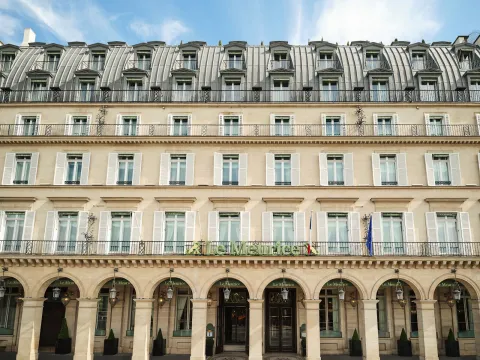
Street names matter more than postcard views. A hotel on Rue de Rivoli, facing the Tuileries Garden, gives you the Louvre Museum at one end and Place de la Concorde at the other, with the Seine a short walk away via Concorde or Tuileries métro stations (Line 1). Around Rue Cler in the 7th arrondissement, the atmosphere shifts to village scale; cheese shops, florists and cafés cluster along a few lively blocks, with the Eiffel Tower rising just beyond the rooftops.
On the Left Bank, the Latin Quarter and Saint-Germain-des-Prés form two distinct worlds. The Latin Quarter, around the Panthéon and the narrow streets behind Notre-Dame, feels more bohemian and academic, with bookshops and student bars. Saint-Germain, especially near Saint-Germain-des-Prés church and the streets leading to the Seine, leans more polished, with galleries, design stores and some of the best boutique hotels in Paris for travellers who want classic French style without being too formal.
North of the river, the 1st and 8th arrondissements suit travellers who want a structured, monumental city. Around the Champs-Élysées and Avenue Kléber, wide boulevards, star hotels and embassies define the area. By contrast, Montmartre in the 18th arrondissement is all steep staircases, Sacré-Cœur views and small hotels tucked into side streets; romantic, yes, but less central for crossing the city quickly.
Iconic areas: Eiffel Tower, Louvre, Notre-Dame and beyond
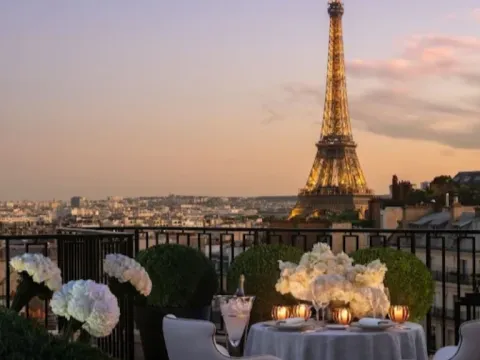
Staying near the Eiffel Tower is about more than the postcard shot. The 7th arrondissement mixes grand avenues with quiet residential streets, and many Paris hotels here offer partial tower views from higher floors rather than the full-on panorama people imagine. The real luxury can be the morning walk along the Champ de Mars before the crowds arrive, or a late-night stroll back from the Seine when the tower sparkles on the hour.
Close to the Louvre, the city feels almost ceremonial. Hotels between the Louvre Museum and Place Vendôme place you within a few minutes’ walk of the Tuileries, the Palais Royal arcades and the bridges leading to the Left Bank. This is one of the best areas if your stay in Paris revolves around art, fashion and gastronomy, with major museums and refined restaurants concentrated in a compact radius.
For a more medieval, atmospheric setting, look to Notre-Dame and the Île de la Cité. Here, narrow streets, Gothic façades and the river on both sides create a cinematic backdrop. Cross to the Latin Quarter for livelier evenings, or to the Right Bank for the Marais and its galleries. This central position suits travellers who want to walk almost everywhere, accepting slightly smaller room sizes in exchange for being in the historic heart of the city.
Left Bank vs Right Bank: which side suits your stay
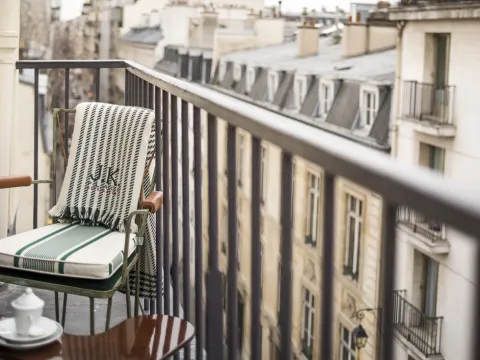
The Left Bank, or Rive Gauche, tends to appeal to travellers who imagine cafés, bookshops and discreet elegance. Saint-Germain-des-Prés and the streets between Boulevard Saint-Germain and the Seine offer some of the best Paris addresses for a refined but relaxed stay. Rooms here often prioritise charm over scale; think mansard ceilings, original beams, perhaps a view over slate rooftops rather than a grand avenue.
The Right Bank, or Rive Droite, feels more formal and monumental. Around the Champs-Élysées, Avenue des Champs-Élysées and the surrounding grid of streets, you find large star hotels, flagship stores and a more international, business-oriented crowd. Closer to the Opéra and the grands boulevards, the city becomes denser and livelier, with theatres, department stores and a mix of classic and mid range hotels that work well for shoppers and first-time visitors.
Montmartre and the northern districts offer a different proposition again. Here, the best hotels are often smaller, with fewer rooms but strong character, and the reward is a village feel high above the city. The compromise is transport; you will rely more on the métro to reach the Louvre, the Eiffel Tower or Saint-Germain, so this area suits guests who prefer neighbourhood atmosphere over centrality.
What to compare before booking your Paris hotel
Room size and layout deserve more attention than they usually get. In historic Paris buildings, even star hotels can have compact rooms, especially in the older arrondissements near the river. Check whether the category you are considering offers at least 20–25 m² if you are staying several nights or travelling with substantial luggage, and whether there are connecting rooms or suites if you are a family.
Location in relation to the métro often matters more than the exact distance to a monument. A hotel a few minutes’ walk from a major interchange such as Châtelet–Les Halles (Lines 1, 4, 7, 11, 14 and RER A, B, D), Saint-Lazare (Lines 3, 9, 12, 13, 14) or Saint-Germain-des-Prés (Line 4) can make crossing the city far easier than staying directly under the Eiffel Tower. Look at the nearest lines on a map and how many changes you will need to reach the Louvre, Notre-Dame or the Gare du Nord.
Finally, consider the overall character of the area at night. Around Rue Cler or in Saint-Germain, evenings feel lively but human in scale, with wine bars and bistros rather than loud clubs. Near the Champs-Élysées, the rhythm is later and more intense, with heavier traffic and brighter lights. Matching the district’s energy to your own habits is often what turns a good stay into your personal best Paris experience.
Staying in the wider Paris regions: when it makes sense
Choosing a hotel in the regions around Paris suits travellers who value space, greenery and a slower pace. Properties in the western suburbs or near historic towns such as Versailles often occupy larger buildings with gardens, terraces and more generous spa areas. Rooms tend to be larger than in central Paris, and the atmosphere leans towards resort-style stays rather than pure city breaks.
This option works particularly well for longer trips or for guests who have already explored the main museums and districts of Paris. You might spend a day in the city visiting the Louvre Museum or walking through Saint-Germain-des-Prés, then retreat to a quieter base in the evening. The compromise is commuting time; even with efficient trains, you will need to plan your movements more carefully than if you stayed in a central arrondissement.
For business travellers with meetings spread across Île-de-France, a regional hotel near a major business hub or transport node can be more practical than a Paris hotel in a picturesque but remote street. The key is clarity: decide whether your priority is to live the city intensely, from Montmartre to the Latin Quarter, or to balance Paris with the calmer rhythm of its surrounding regions.
Who each area is best for
First-time visitors who want the archetypal Paris stay should look to the central arrondissements around the Seine. The 1st, 4th, 5th, 6th and 7th districts place you close to the Louvre, Notre-Dame, the Île de la Cité and the Eiffel Tower, with most landmarks within a 20–30 minute walk. Here, the best hotels focus on service, location and a strong sense of place rather than sheer room size.
Repeat visitors, design-conscious travellers and those seeking a more local rhythm often gravitate towards Saint-Germain-des-Prés, the northern Marais or Montmartre. These areas offer a richer everyday texture: morning coffee on a corner terrace, a favourite bakery on Rue Cler, a small contemporary art space discovered by chance. The trade-off is that you may be slightly further from some monuments, but closer to the city’s current creative energy.
Families, wellness-focused travellers and those combining Paris with regional exploration may find the wider Île-de-France regions more comfortable. Larger rooms, gardens and calmer surroundings suit longer stays, while the city remains accessible for targeted days of museums, shopping or dining. In the end, the best Paris area is the one whose daily rhythm matches your own; the right district will make even a short stay feel like a lived-in chapter rather than a quick visit.
FAQ
Is it better to stay in central Paris or in the surrounding regions ?
Staying in central Paris suits travellers who want to walk to major sights such as the Louvre, Notre-Dame, the Île de la Cité and the Eiffel Tower, and who enjoy dense urban life from morning to late evening. Choosing a hotel in the surrounding Île-de-France regions works better if you prioritise space, gardens and a calmer atmosphere, accepting commuting time into the city for specific visits.
Which Paris areas are best for a first visit ?
For a first stay in Paris, the central arrondissements along the Seine are usually the most practical and rewarding. The 1st, 4th, 5th, 6th and 7th districts place you close to key landmarks, with easy access to the métro and a wide choice of hotels, from discreet mid range addresses to high star hotels with classic French style.
How many hotels are there in Paris and Île-de-France ?
Paris counts around 1,600 hotels across its 20 arrondissements, ranging from small independent properties to large star hotels. In the wider Île-de-France region, there are about 166,000 hotel rooms in total, reflecting the combined demand from leisure travellers, business visitors and major events.
Which Paris neighbourhood is best for art and museums ?
The area around the Louvre Museum and the Tuileries Garden is ideal for travellers focused on art and culture, with several major institutions within walking distance. Staying in Saint-Germain-des-Prés or the Latin Quarter on the Left Bank also works well, as you remain close to the Seine while enjoying easy access to galleries, bookshops and historic cafés.
Is Montmartre a good area to stay in Paris ?
Montmartre is a strong choice if you value atmosphere, village-like streets and views over the city from the Sacré-Cœur hill. It is less central than districts around the Louvre or Saint-Germain, so you will rely more on the métro to reach other areas, but many travellers find the character of the neighbourhood worth the extra travel time.