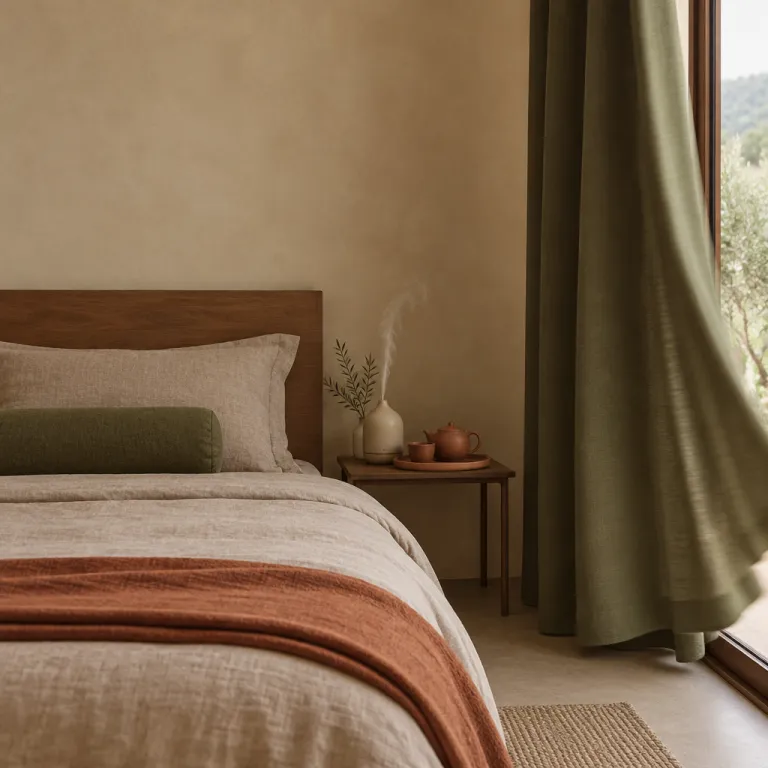
What sleep tourism really means for the French luxury hotel guest
Sleep tourism in France has moved from wellness whisper to headline promise. In the luxury hotel market, a growing number of properties now treat rest as the main event, not a side effect of a comfortable room. For business leisure travellers extending a Paris meeting or a Lyon conference, this shift turns a necessary night into a strategic reset.
At its core, sleep tourism is about designing every element of the sleep environment to protect sleep quality. That means circadian friendly lighting, serious sound insulation, blackout blinds that actually seal, and bedding calibrated to both body weight and preferred temperature. In the most sleep focused hotels and resorts, you will also see screen free rooms, analog alarm clocks and minibar setups that quietly swap sugar hits for herbal infusions that support rest.
French hospitality is learning from wellness resort pioneers in North America and the United States, where dedicated sleep programs and structured sleep retreats have become a mature niche. Properties such as Canyon Ranch or Carillon Miami Wellness Resort helped define what a truly dedicated sleep offer looks like, even if their climate and culture differ from Provence or the Côte d’Azur. The best French hotels now adapt those ideas to local terroir, pairing sleep programs with thermal water, forest settings or altitude rather than copying a Miami wellness playbook.
For the executive traveller, the appeal is clear; a sleep focused luxury hotel in France promises that one carefully curated night can support health, cognitive performance and mood for the week ahead. Wellness travel here is less about dramatic transformation and more about quiet, repeatable gains. When you evaluate hotels, ask whether sleep support is integrated into the whole hospitality concept or appears as a marketing label attached to a standard luxury room.
From wellness to longevity: when rest becomes the core treatment
Sleep tourism sits at the intersection of classic wellness and the newer longevity narrative. Traditional wellness programs in hotels have focused on spa rituals, nutrition and movement, while longevity stays add diagnostics, data and sometimes medical partnerships. A sleep focused hotel in France borrows from both worlds but keeps the night itself as the central treatment window.
In practice, that means wellness travel itineraries where the day is deliberately shaped around the coming night. Light exposure, meal timing, alcohol service and even meeting schedules are adjusted so that the nervous system can downshift before bed. Some hotels now offer personalized wind down rituals, from guided breathing to warm foot baths, that quietly rival more elaborate wellness programs in their impact on rest.
For travellers used to wellness resorts in North America, the French approach feels more discreet and gastronomically literate. Instead of juice cleanses, you might find a late dinner menu built around easily digestible dishes and herbal tisanes that respect both health and pleasure. Our guide to France’s evolving wellness first luxury pipeline shows how new hotels and resorts are weaving sleep quality into architecture, landscaping and service training.
The tourism industry has noticed that burned out executives now ask more about rest than about gyms or boardrooms. A sleep oriented property in France that takes this seriously will train its équipe to protect quiet corridors, manage late night event noise and coordinate housekeeping so that daytime naps are possible. When you compare hotels, look for wellness language that mentions circadian rhythms, nervous system calm and sleep environment design rather than generic promises of relaxation.
How to read between the lines of a sleep focused hotel offer
Not every hotel that mentions sleep tourism delivers a genuinely sleep focused experience. Marketing copy can be generous with words like wellness, health and rest, while the actual room sits above a lively bar with thin windows. For business leisure travellers, learning to decode the offer is as important as choosing the right flight.
Start with the basics; ask precise questions about soundproofing, blackout quality and mattress specification before you book. A serious sleep focused luxury hotel in France will be able to describe its bedding choices in detail, from pillow menu options to the way duvets are calibrated for different seasons. If the team cannot explain how the room protects sleep quality, the sleep tourism label is probably decorative.
Next, examine how far the hotel goes beyond the room. Genuine sleep programs usually include guidance on evening light exposure, in room scent choices, and minibar curation that avoids stimulants late at night. Some properties now offer optional sleep retreats, where a stay is structured around earlier dinners, reduced screen time and gentle movement instead of late night cocktails.
For travellers interested in the overlap between sleep tourism and preventive health, our analysis of longevity stays in French five star hotels explains how diagnostics and coaching can sit alongside dedicated sleep support. The key is to avoid properties that bolt on a single gadget or pillow spray and call it a program. Look instead for hotels and resorts where hospitality, wellness travel and sleep environment design are clearly part of one coherent philosophy.
Settings that help you sleep: from Paris palaces to Alpine silence
France offers a rare variety of natural settings that support sleep tourism without theatrics. In Paris, grand hotels such as Hôtel de Crillon or Park Hyatt Paris Vendôme now balance their luminous lobbies with rooms that can be dark, silent cocoons by night. The most sleep focused suites place bedrooms away from courtyards and service corridors, protecting rest even when the city does not sleep.
Beyond the capital, the geography of French tourism becomes a powerful sleep tool. Alpine resorts use altitude and crisp air to deepen rest, while forest properties in regions such as the Vosges or the Landes lean on biophilic design to calm the senses. Thermal destinations, from the Auvergne to the Pyrenees, quietly integrate mineral rich water rituals into wellness travel programs that prepare the body for a longer, more restorative night.
Internationally, many travellers first met the idea of dedicated sleep in hotels and resorts through names such as Rosewood Hotels, Park Hyatt in New York or wellness pioneers in North America. Some executives know the concept from stays near Hyatt New York properties or from reading about Canyon Ranch and Carillon Miami in the United States wellness press. When they arrive in a sleep focused hotel in France, they often expect the same level of intentional design, even if the aesthetic is more limestone and linen than glass and chrome.
Seasonality matters as much as setting. Autumn and winter are natural allies for sleep tourism, with longer nights, cooler temperatures and a cultural permission to slow down. If you can time your travel, booking a sleep focused stay in these seasons often means quieter hotels, more attentive hospitality and a tourism market less driven by peak season noise.
Who sleep tourism serves best, and how to book it intelligently
Sleep tourism is not only for insomniacs; it is for anyone whose life rhythm has drifted away from natural rest. The archetypal guest is the executive who lands from New York, spends two days in meetings, then adds two nights in a sleep focused luxury hotel in France before flying back to the United States. For this traveller, wellness is not an abstract ideal but a practical tool to protect performance, mood and long term health.
Poor sleepers, jet lagged frequent flyers and recovery travellers coming back from illness all benefit from a hotel that treats the night as sacred. When you book, look for language about personalized routines, quiet floors and staff trained to support a dedicated sleep request, such as early housekeeping or late checkout. Our feature on sustainability in French luxury hotels also highlights how energy efficient insulation and thoughtful materials can improve both environmental impact and sleep environment quality.
For now, many of the most advanced sleep programs still sit in wellness resort destinations such as North America, where Canyon Ranch, Carillon Miami and several Rosewood Hotels have experimented with structured sleep retreats. Hyatt and Park Hyatt properties in New York and other major cities have also tested sleep focused packages for business travellers. As these ideas filter into the French tourism industry, expect more hotels and resorts to integrate sleep tourism into their core hospitality offer rather than treating it as a passing trend.
When you plan your next trip, treat sleep as a primary filter rather than a secondary comfort. Ask how the hotel handles noise, light and late night events, and whether wellness travel elements are aligned with your own rhythms. A carefully chosen sleep focused hotel in France can turn a standard business trip into a quiet, restorative interlude that lingers in the body long after the room key is returned.
FAQ
What is a sleep tourism hotel in France?
A sleep tourism hotel in France is a property that designs its rooms, services and wider environment specifically to support deep, restorative sleep. This usually includes high quality bedding, strong soundproofing, effective blackout solutions and thoughtful lighting that respects circadian rhythms. Many such hotels also integrate gentle wellness elements, such as calming evening rituals or nutrition that supports rest, without turning the stay into a strict health retreat.
How is sleep tourism different from a regular wellness stay?
Classic wellness stays often focus on spa treatments, fitness and nutrition, while sleep tourism puts the night itself at the centre of the experience. A sleep tourism hotel in France will adjust everything from housekeeping schedules to minibar contents to protect uninterrupted rest. You may still find a spa or gym, but they are designed to prepare the body and mind for better sleep rather than to fill the day with activity.
Which travellers benefit most from sleep focused hotels?
Business leisure travellers, frequent flyers and anyone with irregular work hours tend to benefit most from sleep focused hotels. Executives flying between North America and Europe, for example, can use a sleep tourism hotel in France to recalibrate their body clock between meetings. Recovery travellers and naturally light sleepers also appreciate environments where noise, light and late night disturbances are actively managed.
How can I tell if a hotel’s sleep offer is genuine?
Look for concrete details rather than vague promises of relaxation. Serious sleep tourism hotels explain their mattress choices, pillow menus, blackout systems and soundproofing, and they can describe how staff adapt service to protect quiet hours. If the offer mentions only a scented spray or a single gadget without addressing the overall sleep environment, it is likely more marketing than substance.
When is the best season to book a sleep tourism stay in France?
Autumn and winter are usually the best seasons for a sleep tourism stay in France. Cooler temperatures, longer nights and a calmer tourism market all support deeper rest. Outside peak summer, hotels are often quieter, which makes it easier for teams to deliver a truly sleep focused experience.