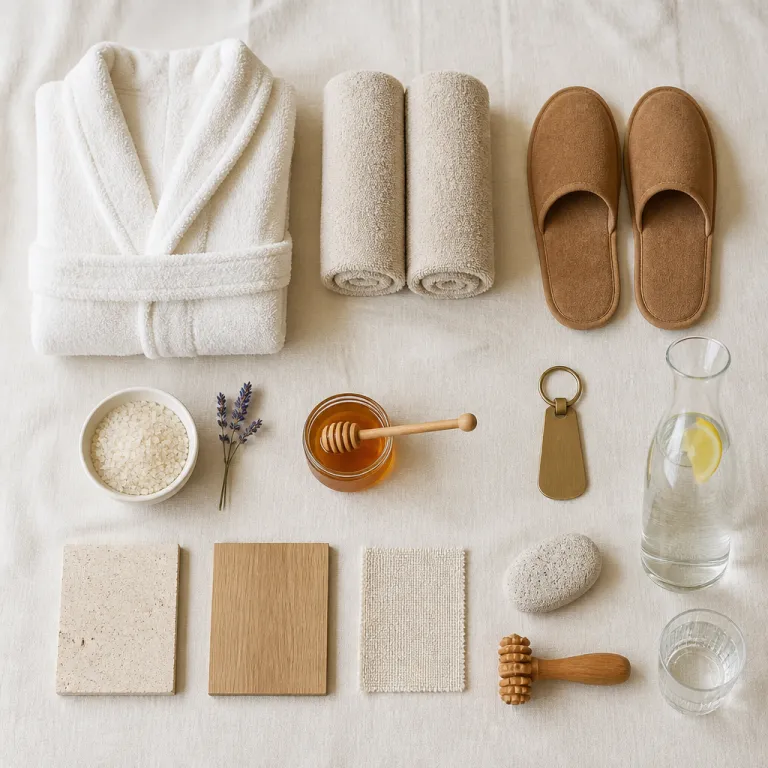
How the evolving luxury pipeline in France elevates wellness stays
France’s evolving luxury hotel pipeline is quietly transforming wellness-focused stays. Across Paris, the Riviera, Provence, and the Alps, new openings and renovations now prioritise spa design, sleep quality, and restorative nature access. For travellers planning a premium stay, this new generation of French luxury hotels changes how you compare locations, facilities, and services.
In Paris, recent high-end refurbishments around the Golden Triangle show how the evolving luxury hotel pipeline in France blends heritage architecture with contemporary wellness spaces. Historic properties add light-filled pools, hydrotherapy circuits, and dedicated meditation rooms, so guests can move from cultural sightseeing to deep relaxation without leaving the building. At the newly refreshed Hôtel de Crillon, for instance, the Sense, A Rosewood Spa—reopened after the 2017 renovation—combines a subterranean pool with daylight wells, bespoke sleep rituals, and partnerships with French skincare brands. This illustrates how the same evolving luxury hotel pipeline in France also pushes regional palaces such as Le Bristol Paris and Cheval Blanc Paris to upgrade thermal suites, recovery-focused fitness technology, and in-room wellness amenities to remain competitive.
On the Riviera, the evolving luxury hotel pipeline in France favours properties with direct sea access, outdoor yoga decks, and nutrition-led menus. Coastal addresses near Cannes and Saint-Tropez now market multi-day wellness programmes that combine thalassotherapy, personalised training, and sleep coaching. At Hôtel du Cap-Eden-Roc in Antibes, spa director Emmanuelle Brown noted in a 2023 interview that “guests now arrive with specific recovery goals, not just a desire for pampering.” For travellers, this means that when you browse a luxury and premium hotel booking website in France, you increasingly compare structured wellness itineraries, practitioner profiles, and programme outcomes rather than just room categories or brand names.
Wellness tourism trends shaping premium hotel choices
Wellness tourism in France has shifted from occasional spa visits to fully integrated health-oriented stays. Travellers now expect premium hotels to offer evidence-based treatments, expert-led movement classes, and menus aligned with specific dietary needs. This change affects how luxury and premium hotel booking websites in France present filters, descriptions, and photography, with wellness now appearing alongside price, location, and star rating as a primary decision factor.
In the Alps, wellness tourism trends favour altitude training, cold immersion, and sports recovery therapies paired with panoramic spa pools. Coastal regions highlight marine-based treatments, forest bathing, and outdoor fitness trails that link directly from the hotel gardens. When you review options online, you increasingly see wellness tourism packages that bundle accommodation, diagnostics, and follow-up coaching rather than simple bed-and-breakfast offers. According to the Global Wellness Institute’s 2023 report, wellness tourism spending worldwide grew around 15% year-on-year between 2021 and 2022, a pace that encourages French hoteliers to formalise these bundled programmes.
Digital balance has also become central to wellness tourism, especially for urban professionals seeking mental rest. Many high-end properties now promote screen-light or screen-free stays, with curated reading rooms and analogue entertainment replacing in-room tablets. For travellers interested in a deeper reset, specialised retreats focus on digital detox in France, where the absence of constant notifications becomes part of the luxury experience; you can explore this trend further through a dedicated guide to screen-free summer hotels in France where digital detox is the real luxury.
How to read wellness features on luxury booking platforms
When you open a luxury and premium hotel booking website in France, wellness information can feel fragmented. Some hotels highlight spa square metres, others emphasise brand partnerships, while a few focus on medical supervision. To make confident choices, you need to decode these details and relate them to your own wellness priorities instead of relying on star ratings alone.
Start with the spa and wellness area, looking beyond simple size indicators. A compact but well-zoned spa with hydrotherapy, quiet relaxation rooms, and natural light can feel more restorative than a large, crowded facility. Check whether the hotel separates family-friendly pools from adult-only areas, as this strongly influences the atmosphere during peak holiday periods and can determine whether the space feels like a sanctuary or a resort playground.
Next, examine the expertise behind treatments and programmes. Look for named practitioners, such as osteopaths, nutritionists, or sports therapists, and verify whether they are on site or visiting consultants. When a property offers multi-day wellness retreats, see if the schedule balances activity, rest, and unstructured time, because an overfilled timetable can undermine the restorative effect of your stay and leave you more tired than when you arrived.
Palace status, wellness innovation, and what it means for guests
France’s official Palace distinction signals exceptional service, architecture, and location, but it increasingly reflects wellness leadership as well. Properties that hold or seek this label invest heavily in spa design, personalised fitness, and discreet medical-grade treatments. For travellers, understanding how palace status intersects with wellness helps justify premium nightly rates and clarifies why some addresses command higher prices than similarly rated neighbours.
Recent changes in the palace landscape show how dynamic this segment has become. Some legendary addresses have lost the distinction after renovations or management shifts, while others have joined the elite circle by elevating their wellness and gastronomy offerings. A detailed analysis of how several hotels were crowned and others lost the title illustrates how wellness, service consistency, and innovation now weigh heavily in evaluations; you can read more in a dedicated report on France’s palace shake-up and its impact on guest expectations. Industry consultants such as Horwath HTL note that palace properties with strong spa revenues and repeat wellness guests tend to outperform peers on average daily rate and length of stay.
When browsing a luxury and premium hotel booking website in France, use palace status as one indicator rather than the only filter. Compare palace and non-palace properties on spa philosophy, practitioner credentials, and the integration of wellness into everyday guest touchpoints, from check-in rituals to turndown amenities. In many regions, non-palace hotels now rival traditional icons by offering more intimate wellness spaces, highly tailored programmes, and fewer crowds, which can be especially valuable for guests seeking privacy.
Designing a wellness focused itinerary across French regions
Planning a wellness-centred trip to France works best when you align regions with specific goals. Paris suits culture lovers who want world-class museums by day and restorative spa evenings. The Riviera and Corsica favour sea-based therapies, open-air movement, and long, light-filled days that support circadian rhythm and vitamin D exposure.
For deep physical recovery, the Alps and Pyrenees offer altitude, clean air, and extensive hiking or skiing paired with serious spa infrastructure. Many mountain properties now feature cryotherapy cabins, sports medicine consultations, and sleep optimisation programmes designed for active guests. In contrast, wine regions such as Bordeaux and Burgundy combine vineyard walks, vinotherapy treatments, and slow gastronomy that supports digestive health and mindful enjoyment, often with tastings paced to avoid fatigue.
When you use a luxury and premium hotel booking website in France, map your itinerary around two or three complementary regions rather than packing in too many stops. A balanced route might combine a few nights in Paris for urban wellness and culture, followed by a longer stay in the Alps or on the Atlantic coast for nature immersion. This structure allows your body to adjust gradually, turning a simple holiday into a coherent wellness journey with clear phases of stimulation, recovery, and integration.
Practical criteria for choosing a wellness oriented luxury hotel
Selecting the right property starts with clarifying what wellness means for you personally. Some travellers prioritise medical support and measurable outcomes, while others seek quiet, sleep, and gentle movement. Your definition should guide every filter you apply on a luxury and premium hotel booking website in France and help you ignore features that do not serve your goals.
Room environment plays a crucial role in recovery, often more than headline spa features. Look for details such as blackout curtains, adjustable lighting, high-quality mattresses, and options for hypoallergenic bedding. Noise levels matter too, so pay attention to guest reviews that mention street sound, internal corridors, or event spaces operating late into the night, and consider requesting a courtyard or higher-floor room if you are sensitive to disturbance.
Nutrition is another pillar of an effective wellness stay. Examine menus for seasonal produce, plant-forward options, and flexibility around intolerances or preferences. When possible, choose properties that can adapt breakfast and room service to your schedule, especially if you plan early hikes, late spa sessions, or fasting protocols. Some hotels now share sample menus or macro-balanced options in advance, allowing you to align your stay with existing health plans.
Future directions for wellness tourism on French booking platforms
Luxury wellness tourism in France is moving toward more personalised, data-informed stays. High-end properties increasingly use pre-arrival questionnaires to understand sleep patterns, stress levels, and activity preferences. This information shapes room allocation, spa recommendations, and even suggested arrival times to minimise jet lag and maximise the first night’s rest.
On the technology side, some hotels now integrate wearable data into coaching sessions, while still protecting guest privacy. Others focus on low-tech serenity, removing screens from rooms and emphasising tactile materials, natural light, and acoustic comfort. Luxury and premium hotel booking websites in France will likely add clearer labels for these different approaches, helping guests choose between tech-enhanced optimisation and analogue calm without reading every property description in detail.
Sustainability also intersects with wellness in meaningful ways. Properties that reduce noise, light pollution, and chemical use create healthier environments for both guests and staff. As travellers become more informed, they will expect booking platforms to highlight air quality measures, water treatment choices, and local sourcing, treating environmental care as an integral part of personal wellbeing and not just an optional eco-friendly extra.
Key figures shaping wellness focused luxury stays in France
- The Global Wellness Institute has reported that wellness tourism spending grows faster than overall tourism spending worldwide, underlining why French luxury hotels now prioritise spa and health facilities to remain competitive; its 2023 research estimates that wellness trips could reach over US$1.4 trillion in expenditure by 2027.
- France consistently ranks among the top international destinations for spa and wellness travel in Europe, which encourages both palace and non-palace properties to expand treatment menus and invest in specialist practitioners, from osteopaths and physiotherapists to sleep coaches.
- Industry analyses from leading hospitality consultancies show that rooms with direct access to wellness facilities or outdoor spaces can command significant rate premiums, reflecting guest willingness to pay more for health-oriented features and for layouts that reduce friction between bedroom, spa, and nature.
- Market research on digital detox travel indicates rising demand for screen-light stays, supporting the growth of French hotels that promote device-free zones and curated analogue experiences as part of their luxury positioning, particularly among guests aged 30 to 55 who report burnout and attention fatigue.
FAQ about wellness tourism and luxury hotel booking in France
How far in advance should I book a wellness focused luxury hotel in France?
For peak periods such as school holidays and major events, booking three to six months ahead secures better room categories and spa time slots. Outside these windows, one to three months is usually enough for most regions. Always reserve key treatments at the same time as your room to avoid disappointment and to ensure practitioner availability.
Are wellness programmes in French luxury hotels suitable for beginners?
Most high-end properties design wellness programmes with flexible intensity, so beginners can start gently. When you book, share your current activity level and any health concerns with the hotel team. This allows practitioners to adapt schedules, exercise types, and treatment durations to your needs, and to suggest rest days if you are not used to structured retreats.
Do luxury hotels in France offer medical supervision for wellness stays?
Some spa and wellness centres partner with doctors, nutritionists, or physiotherapists, especially in thermal destinations and alpine resorts. Others focus on relaxation and beauty rather than clinical support. If medical supervision is important, confirm the qualifications and on-site presence of professionals before finalising your booking, and ask whether consultations are included or charged separately.
Can I follow a specific diet during a wellness stay in France?
Many luxury hotels now accommodate vegetarian, vegan, gluten-free, and low-sugar diets as part of their wellness positioning. Inform the property in advance, ideally at the time of reservation, so the kitchen can plan accordingly. For complex medical diets, request direct contact with the chef or nutrition team and ask whether they can provide ingredient lists or adapt tasting menus.
Is a short weekend enough for a meaningful wellness experience?
A two-night stay can provide noticeable rest if you focus on sleep, light movement, and one or two targeted treatments. For deeper physical or emotional reset, four to seven nights usually work better. Consider starting with a weekend to test a property, then returning for a longer programme once you know it suits your style and once you have confirmed that the team can support your specific wellness objectives.