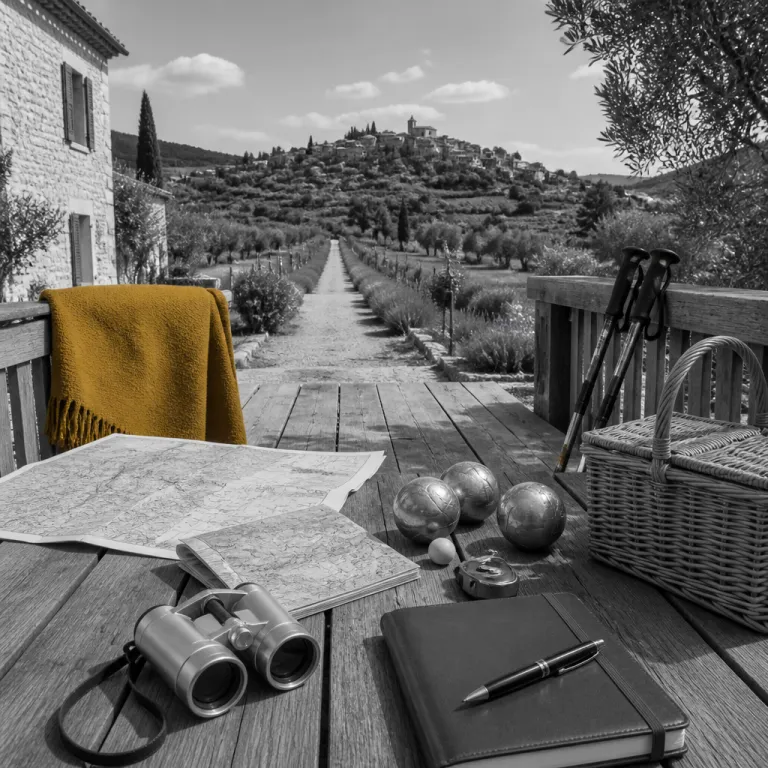
Why digital detox retreats in France are peaking this summer
France has quietly become the European capital for a serious digital detox retreat experience. According to a 2023 report from data.ai, average daily screen time in the country now hovers around 5.5 hours, and more people are booking wellness breaks that prioritise nervous system calm over Instagram content. For couples planning a summer getaway in France, the most coveted luxury is now a few uninterrupted moments fully offline rather than another room upgrade. Figures and examples in this guide were checked in early 2024; always confirm current details before you book.
Wellness tourism in France is already valued in the tens of billions of dollars, with the Global Wellness Institute estimating the wider European market at over €200 billion, and analysts expect it to more than double over the next decade as retreats across Europe shift from pampering to prevention. That growth is driven by travellers who want a detox retreat that addresses chronic stress, sensory overload and the constant pull of digital notifications. In this context, a digital detox stay in France is not a spa fad but a structured retreat journey where offline nature, sleep and slow food are treated as essential therapies.
Summer amplifies the need for these screen-free experiences because work pressure collides with school holidays and social obligations. By July, many mindful travellers arrive in French hotels already exhausted by months of back to back video calls and late night scrolling. They are not looking for the best Wi‑Fi but for restorative retreats that promise at least one full day free from screens, ideally in a setting where immersion in nature makes the choice to stay offline feel effortless.
What a genuine screen-free hotel stay looks like in France
The most convincing digital detox hotels in France do not simply ask guests to switch off phones at check in. They design an entire retreat architecture around guided outdoor rituals, no phone zones and a clear privacy policy that explains how minimal necessary data is handled without pushing apps or constant notifications. At Vichy Célestins Spa Hôtel in Vichy (111 Boulevard des États-Unis, 03200 Vichy), for example, three and five night digital detox programmes pair coaching with hydrotherapy, with prices typically starting around €220–€260 per night for couples in low and shoulder seasons, so people can move from anxious scrolling to structured relaxation within a single day.
At Instants d’Absolu Ecolodge & Spa in Auvergne (Lac du Pêcher, 15300 Chavagnac), the offline nature setting is the real star, with no television, limited signal and long walks replacing doom scrolling as the default evening activity. One recent guest review on a major booking platform describes the experience as “a beautiful reset for our couple, with no pressure to be online at all,” especially when a day offline is combined with simple, seasonal food and long soaks in the spa’s outdoor baths. This is where a digital detox retreat in rural France becomes a perfect reset for the nervous system rather than a performative challenge.
Les Lumières in Versailles, a boutique-style concept near the Château, takes a more urban approach, offering structured digital protocols where devices are stored, not banned, and replaced with curated reading, breathwork and sleep optimisation sessions. Here, the best luxury is the feeling of being held by an attentive hotel équipe that understands how hard it is for mindful travellers to unplug when work and social life live on the same screen. A serious retreat programme in France always answers the question guests secretly ask themselves: what will I do with my hands when the phone is gone?
From farm stays to the Côte d’Azur: where to go for a French offline getaway
Not every digital detox option in France looks like a classic spa hotel, and that is part of the appeal for couples seeking something more textured. In the south west, Sur Mon Chemin near Lauzerte in Occitanie operates almost like a wellness farm stay, where vegetarian food, shared tables and long countryside walks create a gentle retreat atmosphere without rigid rules. A typical weekend for two, including meals and workshops, often starts around €400–€500 depending on season and room type, and the experience feels closer to staying at a friend’s canvas farm than at a formal hotel, with many people returning for longer retreats after a first exploratory weekend.
Across retreats in Europe, there is a growing interest in semi rustic properties where simple comforts and beautiful landscapes do the heavy lifting. In France, Slow Village has perfected this model with lakeside cabins and forest lodges in locations such as Biscarrosse and Loire Valley that function as an easy offline getaway for couples who still want good beds and thoughtful design. Their approach is similar in spirit to the simply canvas style glamping projects you might know from Spain, but here the focus is firmly on French retreat experiences that keep you close to water, trees and long, unstructured afternoons.
On the Côte d’Azur, the conversation around a digital detox retreat is more nuanced because guests still want access to Saint‑Jean‑Cap‑Ferrat lunches and late night strolls along the sea. The smartest hotels thread the needle by creating quiet offline club corners, shaded terraces and garden pavilions where phones are politely discouraged and books are everywhere. A manager at one boutique property in Nice summarised it as “Riviera glamour with pockets of silence.” This is where a couple can enjoy the best of the coast while still protecting a few sacred offline windows that feel like a private, perfect retreat within the wider buzz.
How to choose the right digital detox hotel for your couple getaway
When you compare options for a digital detox retreat in France, the first filter should be clarity of concept rather than star rating. A hotel that simply markets a weekend detox package without changing its programming will rarely deliver the depth of reset that stressed couples need. Look for properties that explain their digital policies in detail, from Wi‑Fi free zones to how they handle your data in their privacy policy, and do not hesitate to email questions before you book or ask for a sample daily schedule, including check in times, cancellation rules and whether late departures are possible.
Programming matters as much as setting, because a true French retreat experience replaces screens with something better instead of leaving a void. The strongest concepts combine immersion in nature, spa rituals and workshops that teach tools you can bring home, such as breathwork, journaling or mindful movement. Some hotels even collaborate with local experts like yoga teachers, naturopaths or somatic therapists, creating a kind of offline club atmosphere where mindful travellers connect over shared practices rather than shared feeds.
Pay close attention to independent reviews, especially from couples who travel the way you do and value similar levels of comfort and food quality. A digital detox stay in France should still feel indulgent, with good mattresses, thoughtful lighting and menus that make every meal a small, beautiful ceremony. If you care about sustainability as part of your wellness journey, read up on how France’s new eco certification rules for hotels and spas are reshaping luxury hospitality, because the best detox retreats increasingly align nervous system health with environmental responsibility.
FAQ
What is a digital detox hotel and how does it work in France ?
A digital detox hotel in France is a property that intentionally limits or removes access to digital devices and Wi‑Fi in certain areas to promote rest. As one expert definition puts it, “A hotel offering stays without digital devices to promote relaxation.” In practice, that can mean no phone zones, device storage at reception and curated offline activities such as nature walks, spa rituals and shared meals, often clearly described in the booking information and pre‑arrival emails.
Are digital detox retreats in France suitable for couples and families ?
Many digital detox programmes in France are designed with couples in mind, offering quiet rooms, spa access and romantic nature experiences away from screens. Families are also welcome in several properties, especially those with farm style settings or lakeside cabins where children can roam safely. As one guidance note explains, “Yes, many programs cater to families seeking screen-free time,” and some even provide simple guidelines for children’s device use.
What should we expect from the daily schedule during a digital detox stay ?
A typical day in a French detox retreat balances structured activities with generous free time away from screens. Mornings might include guided walks, yoga or hydrotherapy, while afternoons are left open for reading, napping or exploring nearby villages. Hotels usually offer alternative activities such as spa treatments and mindfulness sessions, and one expert summary confirms that “Yes, they offer activities like nature walks, spa treatments, and mindfulness sessions,” often listed in a welcome booklet on arrival.
How can we prepare for limited connectivity before our trip ?
Preparation is part of the ritual when you book a digital detox escape in France, especially if work usually follows you on holiday. Before travelling, set clear out of office messages, download any essential documents and tell close contacts that you will be partially or fully offline. Experts recommend three simple steps: confirm digital detox policies before booking, prepare for limited connectivity and commit to engaging fully in the wellness activities once you arrive, even if that means leaving your phone in a safe.
How do French digital detox hotels compare with similar retreats in Spain or elsewhere in Europe ?
France offers a particularly rich mix of spa heritage, gastronomy and varied landscapes, which gives its digital detox scene a distinctive flavour. While retreats across Europe, including in Spain, often emphasise sunshine and yoga, French properties tend to weave in hydrotherapy, terroir driven food and strong cultural programming such as vineyard visits or market tours. For couples, that means you can move from a lakeside cabin to a palace style spa or a quiet farm guesthouse within one country, all while keeping the same commitment to being offline.