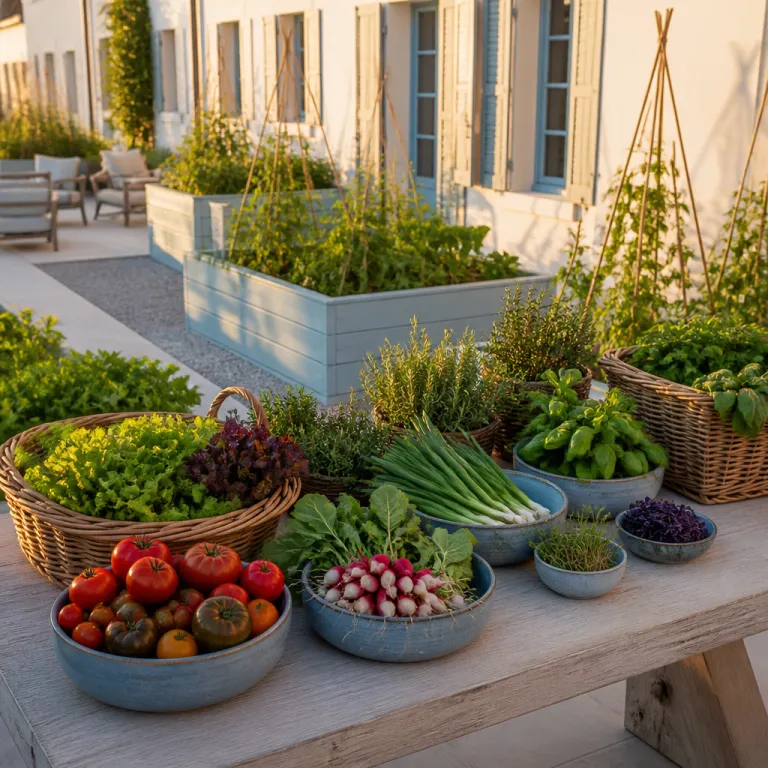
Why kitchen gardens define sustainable luxury hotel France today
French luxury hotels are quietly rewriting what indulgence means for families. In a sustainable luxury hotel France now often includes a working kitchen garden that shapes every plate, every children’s activity, and even the economics of the stay. This shift turns the hotel from a passive backdrop into a living destination hotel where sustainability, wellness, and flavour share the same soil.
Across France, about fifteen luxury hotels with serious potagers treat the garden as creative engine rather than decorative eco gesture. These properties use on site agriculture to reduce their carbon footprint, secure locally sourced produce, and offer guests a more grounded connection to nature during their stay. For a premium family, that means your children can see carrots pulled from the earth in the morning and taste them at dinner in a sustainable luxury hotel France that feels both refined and reassuringly real.
French luxury hotels now employ head gardeners as core creative staff, working alongside chefs and sustainability consultants. Together they design planting calendars that match seasonal menus, wellness programs, and even kids’ clubs, ensuring the garden supports both sustainable travel goals and the hotel’s luxury positioning. This collaboration has helped some properties cut food miles by around thirty percent, a tangible gain that separates genuinely eco conscious hotels from friendly hotels that only talk about being eco friendly without changing procurement.
For travelers comparing luxury hotels across Europe France, this garden first approach is becoming a new benchmark. A sustainable luxury hotel France that invests in soil, seeds, and community partnerships signals deeper commitment than a property that simply buys organic labels from wholesalers. When you book a stay, asking how many rooms overlook the potager and what percentage of the menu is garden grown is now as relevant as asking about the view or the spa.
From palace rooftop to Provençal fields: how the model works
The operational model behind the kitchen garden revolution is surprisingly rigorous. In a sustainable luxury hotel France, the head gardener now holds a role as strategically important as the executive chef, with both posts shaping menus, guest experiences, and the hotel’s sustainability narrative. This tandem leadership ensures that luxury, sustainability, and wellness are negotiated daily between the kitchen pass and the compost heap.
In dense hotels city locations such as Paris, some palace properties cultivate rooftop gardens of around 200 m², focusing on herbs, edible flowers, and fragile greens that benefit most from zero transport. These urban hotels cannot grow every ingredient, yet they use the garden to anchor a wider network of local producers and to train staff in eco conscious practices that reduce waste. Out in the south, estates in Provence or the Luberon can dedicate several hectares to vegetables, orchards, and even small vineyards, turning the resort into a self contained agricultural community.
Chefs working with hyper local gardens accept constraint as creative fuel rather than limitation. When a mistral wind damages one crop, the menu pivots to another, and guests at the luxury hotel taste that immediacy in daily changing dishes that feel both green and gastronomically precise. This is where sustainable luxury becomes tangible, as the hotel uses locally sourced harvests to justify premium pricing while still lowering procurement risks.
For families comparing a sustainable luxury hotel France with a countryside resort in Italy or a design led property in Germany, the French potager model offers a distinct advantage. You are not just choosing between luxury hotels with pools or spas ; you are choosing between hotels that own their supply chain story and those that merely curate it. To understand how this fits into the broader landscape of refined French stays, you can explore the art of refined stays in France and see how garden driven properties sit within the wider luxury ecosystem.
City versus countryside: what families can expect from different settings
Urban and rural versions of a sustainable luxury hotel France deliver very different garden experiences. In Paris or Lyon, hotels city properties often work with compact rooftop or courtyard plots, using vertical planting, smart irrigation, and compost from kitchen scraps to maximise every square metre. These gardens rarely supply all vegetables, yet they excel at herbs, salads, and edible flowers that define the hotel’s culinary signature.
For a premium family staying in the Marais, a sustainable luxury hotel France might offer a small but intensively managed garden that feeds a tasting menu and a children’s breakfast workshop. You may not get a sweeping vineyard style view, but you gain access to chefs who can walk your children from planter to plate in under a minute. When planning such an urban escape, the refined guide to the best hotels in the Marais helps you identify which hotel genuinely integrates green spaces into daily life.
In the south, from Provence to the Pays Basque, a sustainable luxury hotel France often commands several hectares of land. Here, families can cycle between vegetable rows, picnic under fruit trees, and join harvest sessions that feel closer to a small resort in South America than to a traditional European château. Properties such as Château de la Messardière or Domaine de Manville illustrate how large scale potagers can support both high end gastronomy and relaxed family activities.
These countryside hotels sometimes hold certifications such as Green Key, signalling structured sustainability management beyond the garden itself. For parents, that means the same eco friendly mindset guiding water use, energy, and children’s programming, not just the menu. When you book a stay, ask whether the hotel’s rooms, pools, and spa operations follow the same sustainability standards as the kitchen garden, because true sustainable travel requires consistency across every part of the property.
Guest experiences: from seed to plate for the whole family
The most compelling sustainable luxury hotel France experiences invite guests into the garden rather than keeping it behind the scenes. Many French luxury hotels now schedule daily potager tours, seed to plate breakfasts, and children’s workshops where young guests plant herbs, collect eggs, or learn to identify pollinators. These activities transform sustainability from abstract concept into tactile memory, especially for city based families.
During a typical stay, you might start the morning with a guided walk led jointly by the gardener and a member of the culinary équipe. They explain how crop rotation, composting, and careful water management reduce the hotel’s carbon footprint while improving flavour and texture on the plate. Later, your children could join a pastry class using fruit harvested that same day, while you attend a wellness session that incorporates herbal infusions straight from the garden beds.
Some properties go further by integrating the garden into spa and wellness programs, using fresh botanicals in treatments and teas. This approach aligns with a broader sustainable travel trend in Europe France, where eco conscious guests expect their luxury hotel to connect wellness, nutrition, and nature in a coherent way. When evaluating hotels, look for programs that link garden visits with cooking classes and family friendly tastings, rather than one off photo opportunities.
For travelers concerned about accessibility and inclusion within this new wave of green hospitality, France’s evolving legal framework is reshaping standards. A detailed overview of how disability inclusion intersects with luxury hotels and sustainable design can be found in this analysis of France’s disability inclusion law for luxury hospitality. Combining thoughtful garden based experiences with inclusive design ensures that sustainable luxury is not reserved for a narrow audience but shared across the whole community of guests.
Beyond greenwashing: economics, certifications, and how to choose
Not every property that mentions a garden truly qualifies as a sustainable luxury hotel France. Some hotels limit their efforts to a few decorative planters, while others integrate full scale potagers into procurement, staff training, and long term financial planning. For discerning families, the challenge is separating marketing gloss from genuine sustainable luxury that justifies the nightly rate.
Real kitchen garden programs require higher labour costs, investment in irrigation systems, and collaboration with agricultural experts and local seed suppliers. Hotels that commit to this path often offset expenses through reduced purchasing from wholesalers, lower waste, and the ability to command premium pricing for menus built on locally sourced produce. Certifications such as Green Key, while not perfect, offer one external signal that a luxury hotel treats sustainability as a management system rather than a decorative theme.
When you book a stay at any sustainable luxury hotel France, ask specific questions about the garden’s size, crops, and integration into daily menus. Request examples of dishes that change with the harvest, and inquire whether the hotel partners with nearby farmers to complement its own production in a way that supports the local community. If the answers remain vague, you may be looking at hotels that borrow eco friendly language without the underlying practice.
Comparisons with resorts in Italy, Germany, South Tyrol, or even sun destinations such as Gran Canaria highlight how advanced the French potager model has become. While some hotels in South America or other parts of Europe France also invest in on site agriculture, France’s combination of terroir driven cuisine and rigorous hospitality standards gives its garden led luxury hotels a distinctive edge. For families, choosing such a property means your rooms, meals, and activities all participate in a coherent sustainability story rather than a patchwork of isolated green gestures.
FAQ
Which French luxury hotels have serious kitchen gardens
Several high end hotels in France now operate substantial kitchen gardens, including countryside estates such as Château de la Messardière near Saint Tropez and Domaine de Manville in Provence. These properties cultivate vegetables, herbs, and fruits at scale, integrating them into daily menus rather than occasional specials. When researching, look for hotels that describe their potager size, crops, and gardening team in detail.
What types of produce do these hotel gardens usually grow
Most French hotel potagers focus on seasonal vegetables, aromatic herbs, and orchard fruits that thrive in their specific microclimate. Leafy greens, tomatoes, courgettes, berries, and stone fruits are common, alongside edible flowers used for pastry and plating. Some properties also grow heritage varieties to support biodiversity and deepen their connection to local agriculture.
How do kitchen gardens benefit guests staying at luxury hotels
Guests benefit from fresher, more flavourful meals, as produce can move from soil to plate within hours. Many hotels also offer garden tours, cooking classes, and children’s workshops that turn the potager into an educational playground. As one industry summary puts it, “They provide fresher meals and unique dining experiences.”
How can I tell if a hotel’s garden is more than marketing
Look for concrete information about garden size, staffing, and integration into menus, rather than vague references to herbs. Serious programs often mention a head gardener, seasonal tasting menus, and partnerships with local producers to complement on site harvests. Certifications such as Green Key and transparent sustainability reports provide additional reassurance.
Are kitchen garden hotels suitable for families with children
These properties are often ideal for premium families, because gardens provide safe outdoor spaces and structured activities. Children can join planting sessions, harvest ingredients, or attend simple cooking classes that make vegetables more appealing. When booking, ask the hotel which garden based experiences are tailored specifically to younger guests.