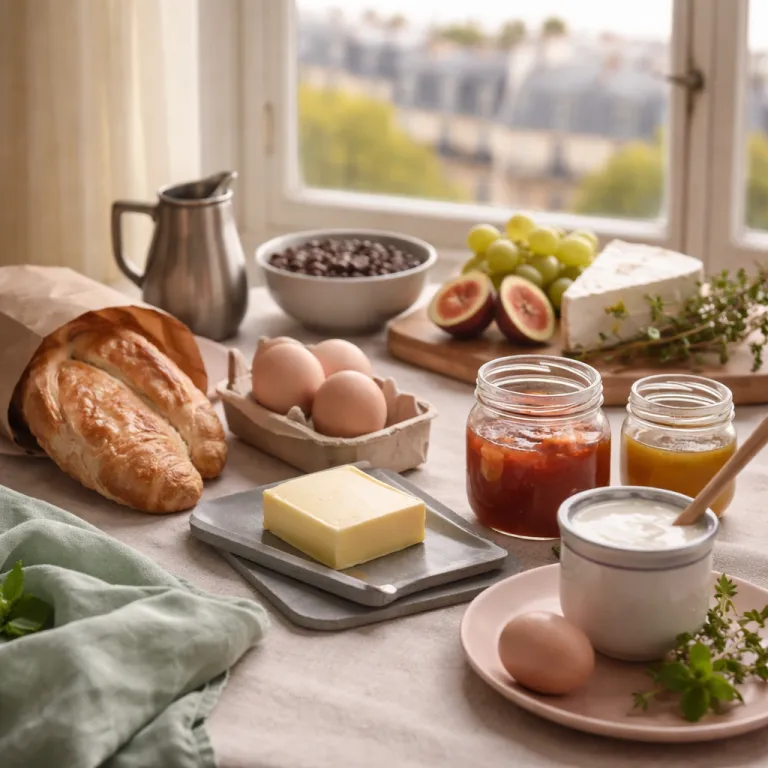
Why French hotel breakfast is a statement, not a side note
In France, the first breakfast tray that reaches your table sets the tone for the entire day. A refined French hotel breakfast in a serious hotel is not just about feeding guests; it is a quiet manifesto about terroir, craftsmanship, and how the property understands pleasure. When you eat breakfast in a French hotel that cares, every detail from the coffee to the bread tells you exactly where you are.
Across France, the most memorable breakfast experience usually feels deceptively simple at first glance. You sit down in the morning and find a basket of still warm bread, a perfectly laminated croissant, perhaps a slice of pain au chocolat, and a small plate of butter and jam that actually taste of cream and fruit. Then the first hot drink arrives, whether it is a short espresso, a generous bol of café au lait, or a carefully brewed tea, and suddenly the whole petit déjeuner becomes a quiet ceremony.
Hotel staff and guests play distinct roles in this daily ritual, and both sides matter. Teams prepare and serve breakfast items, while guests enjoy the offerings, and that exchange is where hospitality either shines or falls flat. When a breakfast team knows your preferred coffee or tea order by the second day, the French breakfast stops being a generic buffet and becomes a traditional welcome that feels personal rather than standardized.
Luxury French hotels now treat the morning table as part of their gastronomic identity. Many properties in Paris, Provence, or Burgundy work with local bakeries so that the bread and pastry basket reflects the neighbourhood rather than a central supplier. At Le Bristol Paris, for instance, the in-house boulangerie supplies croissants to both the three-Michelin-star restaurant and the breakfast room, while in Lyon, boutique hotels often rely on nearby artisans such as Jocteur on Île Barbe for their morning bread. The best French hotel breakfast service often alternates between discreet buffet options and precise table service, allowing you to eat breakfast at your own rhythm while still feeling curated.
Behind the apparent ease of a typical French spread lies a serious economic and logistical effort. A premium hotel breakfast buffet that looks effortless usually means a pastry chef starting before dawn, coffee machines calibrated like barista tools, and deliveries from several producers before 6:30. When you see a continental breakfast that includes organic breakfast foods, gluten-free options, and regional cheeses, you are looking at a cost structure that goes far beyond the average 15–25 EUR often quoted for a simple breakfast in France at mid-range and upscale properties.
Regional signatures: from Normandy butter to Provençal honey
What you eat for breakfast in a French hotel should change as you move across the country. In Normandy, a serious French hotel breakfast leans into cream, salted butter, and apple-based products that reflect the region’s dairy and cider traditions. A breakfast buffet there might feature thick yoghurt, farmhouse butter and jam combinations, and rustic bread that begs for a second slice, echoing the flavours you find in local creameries around Isigny-sur-Mer.
Head to Burgundy and the morning table shifts again, becoming more savoury and generous. A breakfast hotel in Beaune or Gevrey-Chambertin may add charcuterie, local cheese, and even a small glass of grape juice from nearby vineyards to the usual bread and pastry. If you are planning a wine-focused trip, look for properties that extend this regional logic into their morning spread and consider pairing your stay with a gastronomy trail from Gevrey-Chambertin to Beaune, where the breakfast foods echo the cellars downstairs and might include Époisses, jambon persillé, or gingerbread from Dijon.
Provence tells a different story through its petit déjeuner, lighter yet still indulgent. Here, a French breakfast might feature olive fougasse instead of plain bread, lavender honey instead of standard jam, and ripe fruit that actually tastes of sun. When French people in the south talk about a typical French morning, they often mean a café crème on a terrace, a croissant from the village boulangerie, and maybe a slice of pain au chocolat if the day ahead looks long.
Paris, of course, offers its own grammar of the morning meal, and it is more nuanced than the postcard image. In the capital, a refined hotel breakfast might combine a compact buffet with à la carte eggs, smoked fish, and a pastry trolley that changes daily. At hotels like Hôtel Lutetia or Le Meurice, breakfast can feel like a condensed version of the dining room downstairs, with viennoiseries signed by a named pâtissier. If you want to find a property where the first coffee rivals the local café, look for hotels that highlight their in-house roasting program or name their partner café on the menu rather than hiding behind generic labels.
Even within the same region, French hotels can interpret the continental breakfast in very different ways. Some lean heavily on sweet pastry and bread, while others integrate more protein, vegetables, or even small lunch-style dishes for guests crossing time zones. When you compare properties, pay attention to whether the hotel breakfast reads like a list of common things to eat or a curated snapshot of the region’s producers, with specific cheeses, jams, and breads that you could actually track down later in the day.
Inside the pastry game: from in house pâtissier to hidden boulangerie
The pastry basket is where a French hotel breakfast usually wins or loses its reputation. One perfect croissant can tell you more about a property’s standards than a long list of amenities, because lamination, butter quality, and freshness are impossible to fake. When you bite into a croissant that shatters delicately rather than collapsing, you know the hotel takes its breakfast experience seriously.
At the top end of the market, many hotels now employ an in-house pâtissier whose work appears first thing in the morning. These teams produce viennoiseries, cakes, and regional pastry that change with the seasons, turning the breakfast buffet into a quiet pâtisserie counter. In some Paris properties, the same pastry chef who signs the dessert menu at dinner also oversees the pain au chocolat and brioche that arrive at your table before your first hot drink; at Le Meurice, for example, the pastry program has long been a calling card for guests who care about their petit déjeuner.
Other hotels choose a different but equally valid route and partner with a single local bakery. In these cases, the best breakfast hotel teams will tell you exactly which boulangerie made your bread and why they chose it, sometimes even suggesting that you visit the café later in the day. This approach can be especially strong in smaller towns, where the relationship between hotel staff and artisans becomes part of the story you taste each morning, whether the supplier is a village bakery in the Luberon or a long-established address in Reims.
For travellers, the key is to find out how the property sources its bread and pastry before you book. Ask whether the croissant and pain au chocolat are baked on site, delivered frozen, or bought fresh each morning from a named bakery, because the answers will shape your hotel breakfast in France. If the hotel cannot explain where its butter, jam, and café au lait come from, you can safely assume the rest of the breakfast foods are equally anonymous and probably closer to a standard continental buffet than a crafted petit déjeuner.
Serious French hotels also think about how pastry fits into the rhythm of the day, not just the morning. Some will offer a lighter sweet selection at breakfast and then bring out more elaborate cakes for an afternoon coffee or tea service, allowing guests who do not eat breakfast early to still enjoy the pâtissier’s work. When a property treats viennoiseries as an all-day pleasure rather than a bulk buffet item, you feel it in every bite and in the way staff talk about what has just come out of the oven.
What separates a good from a great French hotel breakfast
Plenty of hotels in France serve an acceptable morning spread, but only a fraction deliver something truly memorable. A good French hotel breakfast will give you fresh bread, a croissant, butter, jam, and a basic hot drink without any real sense of place. A great hotel breakfast, by contrast, feels like a carefully edited portrait of the region, the season, and the chef’s personality, whether you are in a Paris palace or a family-run inn in the Jura.
Service style, timing, and ingredient quality are the first clues that you are in capable hands. Properties that combine a compact breakfast buffet with attentive table service tend to manage both quality and calm, avoiding the chaos of crowded counters and lukewarm coffee. Many French hotels now open their breakfast rooms from around 6:30 to 10:00 in the morning, with some extending hours on weekends for late risers, and the best teams quietly top up café au lait or tea before you ask. If you plan to use breakfast as a bridge between morning and midday, look for properties that allow you to linger with a second hot drink rather than rushing you out for the next seating.
Quality of ingredients remains the non-negotiable foundation of any traditional French petit déjeuner. The butter should taste of cream, the bread should have a proper crust, and the jam should contain visible fruit rather than anonymous sugar. When you see labels for local honey, regional yoghurt, and farm eggs alongside the more common continental breakfast items, you know the hotel has invested in its breakfast experience rather than treating it as a cost centre, and that investment usually shows up again at lunch and dinner.
Finally, the best French hotel breakfast services understand that not every guest eats the same way. They offer enough choice for those who prefer a light, typical French start and those who want something closer to lunch, without turning the buffet into a chaotic display of unrelated things. When a property balances restraint with generosity and keeps the focus on well-made, clearly sourced food, you leave the table ready for the day and quietly impressed by how much thought went into that first meal.
How to choose a hotel in France for a memorable breakfast
When you book a hotel in France, the breakfast offer deserves as much scrutiny as the room photos. Start by reading how the property describes its morning service; if the language is vague and generic, the reality often is too. A hotel that proudly details its breakfast buffet hours, local suppliers, and coffee program is usually one that understands how French people actually like to start the day and how international guests approach hotel breakfast in France.
Look for signs that the hotel breakfast is integrated into the wider gastronomic identity of the property. Collaborations with chefs such as Yannick Alléno, Anne-Sophie Pic, or Emmanuel Renaut often influence not only dinner but also the petit déjeuner, from the bread selection to the way eggs are cooked. When a property presents breakfast as part of a broader culinary journey rather than a separate, optional extra, you can expect a more coherent breakfast experience that matches what you see in the restaurant and bar.
Location also shapes what you will eat for breakfast, especially in cities like Paris where café culture competes with in-house dining. Some travellers prefer to take a quick coffee and croissant in the hotel before moving to a nearby café for a second round, using the morning to explore different neighbourhoods. If that sounds like you, consider staying somewhere with easy access to serious cafés along the Seine or near streets like Rue de Buci or Rue des Martyrs, where the view and the bread both justify the early start.
For those who value calm over bustle, properties that emphasize room service breakfast can be a strong choice. A well-executed in-room tray with fresh bread, butter and jam, yoghurt, and a properly hot drink can feel more luxurious than any crowded buffet. When you can open the window, sip café au lait, and watch the city wake up without leaving your bed, the hotel has turned breakfast into a private ritual that rivals the best café terrace.
Finally, remember that the way a hotel handles special requests at breakfast often mirrors its overall attitude to hospitality. If the team can gracefully adapt the continental breakfast to dietary needs, adjust coffee or tea strength, or suggest local cafés for a second petit déjeuner, you are in good hands. Those small gestures, repeated each morning of your stay, are what transform a simple French hotel breakfast into one of the defining memories of your time in France.
FAQ
What is included in a typical French hotel breakfast?
Fresh bread, pastries, butter, jam, coffee, and juice. In many French hotels, you will also find yoghurt, fruit, and sometimes cheese or cold cuts alongside the core breakfast foods. The exact mix depends on whether the property focuses on a light traditional French petit déjeuner or a more international breakfast buffet with hot dishes and savoury options.
Are savory items available in French hotel breakfasts?
Some hotels offer cheeses and cold cuts. Higher-end properties often expand this with eggs cooked to order, smoked fish, and regional charcuterie, especially in areas like Burgundy or the Alps where hearty food is part of local life. If savoury options matter to you, check whether the hotel breakfast description mentions more than just bread and pastry and whether hot dishes are included or charged separately.
What time is breakfast usually served in French hotels?
Typically between 6:30 AM and 10:00 AM. Luxury properties sometimes extend service later on weekends or offer a reduced menu for guests who prefer to eat breakfast closer to lunch. When you plan your day, confirm the exact morning hours at check-in so you can time your first hot drink and croissant without rushing, especially if you have early trains or museum reservations.
How much does a French hotel breakfast usually cost?
In many mid to high range hotels in France, the average breakfast cost sits around 15–25 EUR for a basic continental breakfast. Luxury properties that feature extensive buffets, in-house pâtissiers, and premium coffee programs often charge more, reflecting the quality of ingredients and service. When you compare rates, consider whether breakfast is included or priced separately, as this can change the overall value of your stay and may influence how often you eat in the hotel versus at a local café.
Should I eat breakfast in the hotel or at a local café?
The choice depends on how you like to start your day and what kind of breakfast experience you want. A well-executed French hotel breakfast offers calm, variety, and the convenience of eating before you step outside, while a local café in Paris or another city gives you more street life and people-watching. Many travellers combine both, taking a light petit déjeuner in the hotel and then a second coffee at a nearby café later in the morning to sample different atmospheres and pastries.