Why a burgundy food experience starts before the first sip
Burgundy looks like a quiet patchwork of vineyards at first glance. This discreet region in eastern France hides one of Europe’s most layered food cultures, where every village table tells a different story of bourgogne and its people. A refined burgundy food experience begins long before your first wine tasting, and the most rewarding stays weave together markets, kitchens, cellars and countryside.
For couples planning luxury travel, the key is to treat food, wine and place as one seamless narrative. The most memorable tours in Burgundy France pair a morning at a local market with an afternoon in the vines and an evening at a grand cru table, rather than ticking off wineries in a rush. When you book a premium hotel, look for concierges who speak fluently about both wines Burgundy and where to eat proper boeuf bourguignon or coq au vin within walking distance.
Many guests arrive focused on a single famous name like Romanée Conti or a specific burgundy wine, then realise the real luxury lies in the quiet details. A private wine tour along the Route des Grands Crus feels different when it ends with a simple plate of local cheese and seasonal food in a stone walled courtyard. To shape a truly top tier experience Burgundy stay, you will want to balance headline tastings with time to read a wine list slowly, talk to producers and let the rhythm of French village life set the pace.
From dijon to Gevrey Chambertin: cheese, truffles and vineyard kitchens
Dijon is often treated as a gateway, but it deserves at least one slow day. The old centre offers an elegant starting point for any burgundy food experience, with covered markets, mustard shops and wine bars pouring both red and white wine from nearby vineyards. From here, a short travel south brings you into the heart of Côte de Nuits, where food, wine and landscape merge into something quietly addictive.
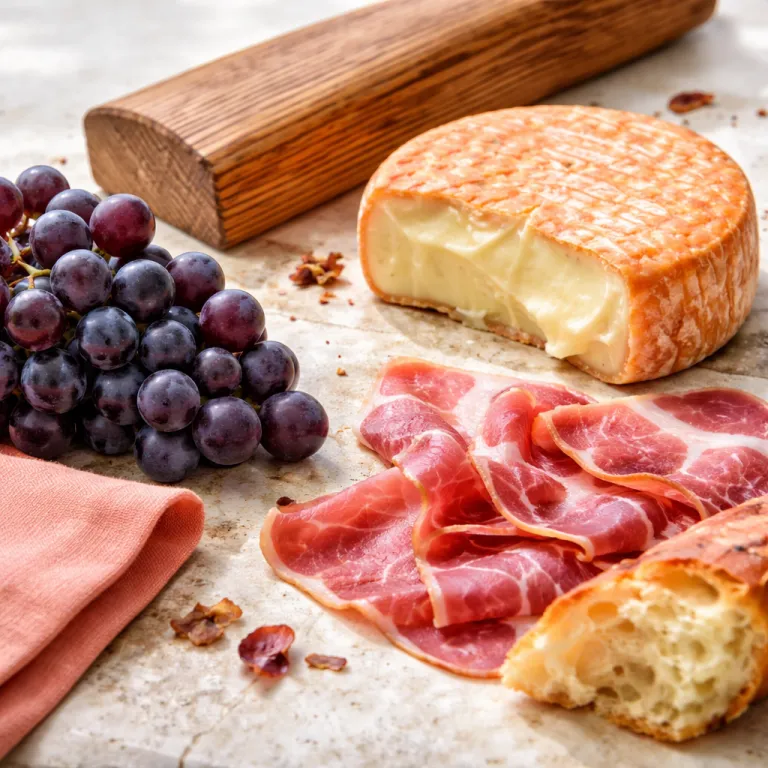
In Gevrey Chambertin, artisanal cheese making has become a highlight for couples who want more than another wine tasting. Producers linked with initiatives such as The Burgundy Cheese Experience welcome small groups into their ageing rooms, where you can taste several local cheeses that go far beyond the thirty types often quoted for the region. These visits pair beautifully with a gentle walk through nearby vines that supply some of the most famous pinot noir wines Burgundy has ever produced.
Truffle hunting with dogs around Gevrey Chambertin runs from roughly October to March, and the best operators keep groups intimate. Expect to pay a premium for a half day tour, but you gain a rare window into the forest side of Burgundy France, followed by a simple cooking demonstration or tasting plate that lets the truffles speak. For a deeper gastronomic trail linking these villages with Beaune and its chocolatiers, use a curated route such as the one outlined in this gastronomy trail from Gevrey Chambertin to Beaune, then ask your hotel to fine tune timings.
Cellars, canals and châteaux: elevating wine tasting in burgundy
Any burgundy food experience will eventually lead you underground, into the cool stone of historic cellars. The region produces around two hundred million bottles of wine each year, yet the most memorable tastings feel almost private, even when you share a barrel room with other guests. A thoughtful itinerary alternates intimate visits with one or two iconic stops, so that each grand cru moment still feels special.
Château Clos Vougeot is the obvious starting point for many wine tours in Burgundy France, and with good reason. The château hosts regular grand cru tastings that introduce you to the structure of burgundy wines, from delicate white wine to structured pinot noir, all framed by the history of the monks who first mapped these vineyards. When you stand in the old presses, the phrase Route des Grands Crus stops being a marketing line and becomes a physical corridor of stone, vine and memory.
To balance the grandeur, consider a guided session at a smaller estate such as Domaine Evenstad in Santenay, which offers hosted wine tastings that feel almost like a private salon. Pair this with a slow cruise or cycle along the Burgundy Canal, where you can pause for a simple food and wine picnic sourced from a local market. “What is Burgundy known for? Renowned for Pinot Noir and Chardonnay wines.” — this official line is accurate, but on the water, with a glass in hand and a plate of cheese beside you, wines Burgundy become less about labels and more about lived experience.
Cooking, chocolate and the search for real boeuf bourguignon
Beaune is where many couples finally slow down and let their burgundy food experience deepen. The town’s cobbled streets hide a growing number of ateliers, from artisanal chocolatiers to hands on cooking schools that welcome English speaking guests. Here, food, wine and history sit side by side, and the best hotels know how to connect you with each layer.
The Cook’s Atelier in Beaune is a benchmark for immersive French cooking classes that remain accessible to all skill levels. A typical day might start with a market visit, continue with a hands on session preparing coq au vin or boeuf bourguignon, then end with a long lunch paired with carefully chosen burgundy wines. As one local resource puts it clearly ; “Are cooking classes available in English? Yes, many offer English instruction.” and “Is prior cooking experience required? No, classes cater to all skill levels.” — reassuring if you are nervous about stepping into a professional style kitchen.
Beaune’s chocolate scene has quietly expanded, with new ateliers focusing on single origin cacao and pairings with burgundy wine flights. Ask your concierge to arrange a tasting that sets dark chocolate against both red and white wine, so you can feel how pinot noir, Chardonnay and even a late harvest cuvée react to different cocoa percentages. Between sessions, take time to read menus carefully and seek out restaurants where the chef still cooks boeuf bourguignon slowly in burgundy wine, rather than rushing a tourist version that lacks depth.
Where to stay and how to plan a 4 day gourmet route des grands crus
Choosing the right hotel is the quiet backbone of any burgundy food experience. For couples, the goal is to find properties where gastronomy is not an add on, but the organising principle of your stay. Look for teams who speak as confidently about local vineyards and tours Burgundy as they do about spa treatments or room categories.
Les Sources de Vougeot, set within the historic Château de Gilly, has quickly become a reference point for travellers who want to experience Burgundy with all senses engaged. The 49 room retreat celebrates the art of the vine, with views over clos Vougeot and easy access to both cellar visits and the surrounding vineyards. From here, you can join a curated wine tour along the Route des Grands Crus, then return to a dining room where food wine pairings highlight both grand cru labels and more modest but beautifully made wines Burgundy.
A simple four day itinerary might start in Dijon for markets and mustard, move to Gevrey Chambertin for cheese and truffle hunting, then continue to Vougeot for château based tastings before ending in Beaune for cooking classes and chocolate. Along the way, consider a detour to the Burgundy Canal for a slow afternoon between more structured tours in Burgundy France, or a spa night using guidance from this overview of luxury spa resorts in the south of France as a benchmark for service expectations. By the time you leave, you will have moved far beyond a checklist of famous names like Romanée Conti or des grands crus, and into a personal map of flavours that will quietly shape every future visit.
FAQ about planning a burgundy food experience
How many days do I need for a meaningful burgundy food experience ?
Plan at least three full days in Burgundy France if you want to balance wine tasting, cooking, markets and countryside. With four days, you can include Dijon, a section of the Route des Grands Crus, a visit to clos Vougeot and time in Beaune without rushing. Shorter stays tend to feel like a sprint between vineyards, while longer visits reward slower meals and unplanned walks.
Do I need to book wine tours and cooking classes in advance ?
Yes, you should reserve key elements of your burgundy food experience before you travel, especially during harvest and peak holiday periods. Many of the best wine tour options, truffle hunts and French cooking classes limit group sizes to keep tastings intimate. Follow the local advice to book in advance, check seasonal availability and learn a few basic French phrases for smoother interactions.
Is Burgundy only interesting for wine lovers, or also for food focused travellers ?
Burgundy is renowned for pinot noir and Chardonnay, but its food culture is just as rich. Between cheese workshops, truffle hunting, chocolate tastings and serious kitchens serving coq au vin or boeuf bourguignon, non drinkers still find plenty to enjoy. Many tours Burgundy now highlight sustainable farming, organic food and farm to table dining alongside classic wine experiences.
Are English speaking guides and instructors easy to find in Burgundy ?
English is widely used in the luxury hospitality and wine sectors across Burgundy France. Many estates, including hosts such as Domaine Evenstad, offer guided wine tasting in English, and schools like The Cook’s Atelier design classes specifically for international guests. When booking, always confirm your language preferences so your burgundy food experience feels relaxed rather than like a lesson.
What is the best season to visit for a combined food and wine focus ?
Spring and autumn are particularly rewarding for a burgundy food experience that blends vineyards and kitchens. Autumn brings harvest energy, truffle hunting near Gevrey Chambertin and deeper flavours in dishes like boeuf bourguignon, while spring offers gentler crowds and fresh produce in markets from Dijon to Beaune. Summer can still work well, especially if you include time on the Burgundy Canal, but you will want to secure top restaurants and tours Burgundy well ahead.