From palace dining rooms to farm kitchens: how french hotel gastronomy 2026 is changing
French hotel gastronomy 2026 signals a decisive shift away from stiff formality. Across France, luxury hotels are trading hushed, heavy dining rooms for spaces that feel closer to a working farm kitchen, where fire, soil and seasonality lead the conversation. This new language of contemporary French gastronomy is reshaping what families expect from a hotel restaurant, from Paris to the French Riviera.
French hospitality leaders now treat provenance as their primary luxury marker, not chandeliers or dress codes. Guests want to understand how a château kitchen sources its vegetables, which Saint-Jean fisherman supplied the turbot and why a particular pastry uses heritage wheat from a nearby valley. The growing demand for sustainable and authentic dining experiences means that farm to table is no longer a marketing phrase; it is the baseline for any serious hotel that claims to represent the epitome of French art de vivre.
Industry surveys from professional restaurant associations in France suggest that more than a third of serious dining rooms have adopted some form of farm-focused sourcing, and hotel kitchens are at the front of that movement.[1] Many properties now maintain their own organic gardens or partner with a single farm, echoing the model of places such as Le Garde Champêtre in Gy-sur-Seine, where the restaurant is literally surrounded by its fields. For families booking hotels, this shift in French cuisine translates into shorter menus, clearer seasonal narratives and a more relaxed, confident hospitality experience that still feels unmistakably luxury.
Fire, fermentation and the quiet revolution in hotel kitchens
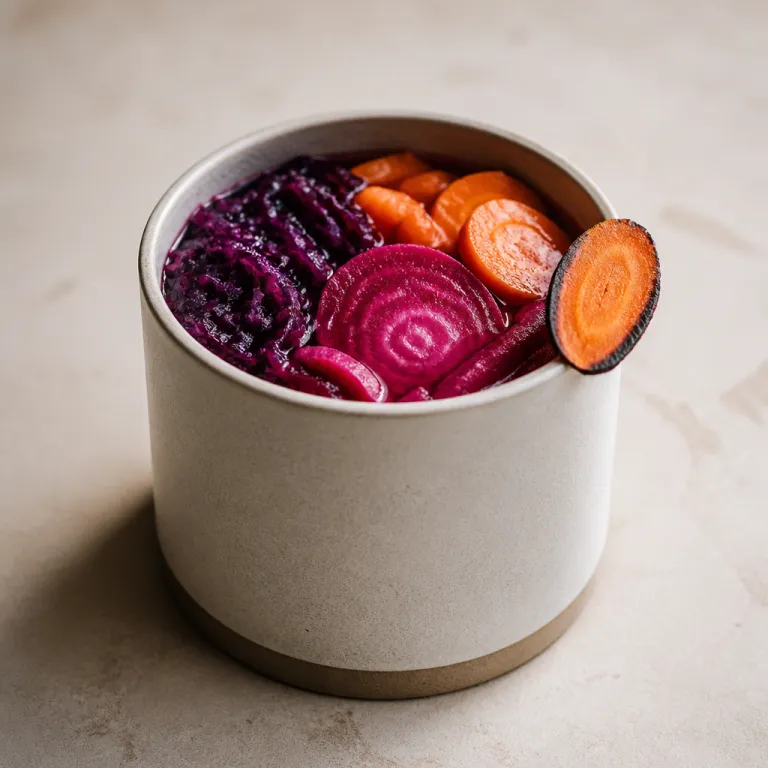
Behind the pass, French hotel gastronomy in 2026 is defined by three powerful techniques. Wood-fired cooking, fermentation and meticulous preservation have moved from niche obsessions to everyday tools in serious hotel kitchens. Chefs now treat their larders as living ecosystems, where jars, crocks and embers extend the seasons and deepen flavour.
La Ferme Expérience, a rural restaurant concept that many hotel chefs quietly visit on their days off, has become a reference point for this movement. Its wood-fired ovens and fermentation vessels show how rustic tools can produce a refined culinary experience that rivals city hotels in Paris or a grand château on the French Riviera. As one recent report from the Institut Paul Bocuse on sustainable gastronomy notes, “local is the new luxury” when chefs cook what the farm and the forest offer rather than what a supplier’s list dictates.[2]
Families staying in mountain hotels now encounter similar thinking, especially in properties that champion mountain gastronomy in the French Alps. Fermented vegetables, smoked lake fish and slow-cooked grains appear alongside more familiar French cuisine classics, giving children a gentle introduction to new tastes. As one educational resource on modern cooking notes with disarming clarity, “Why is fermentation popular in modern cuisine? Enhances flavor and preserves food naturally.”
From Michelin stars to Bib Gourmand tables: where value meets french hospitality
French hotel gastronomy 2026 is not only about three-star temples and grand tasting menus. The expansion of the Bib Gourmand selection across France has quietly transformed how families can eat well while travelling, especially when they want serious cooking without the full luxury price tag. For hotel guests, this means that an excellent dinner might be a short walk away rather than inside the property itself.
Many palace-level hotels in Paris, such as the historic Hôtel de Crillon, now curate a personal list of nearby Bib Gourmand addresses for guests who want relaxed French cuisine after a day of sightseeing. This approach respects the reality that not every evening needs awards-level fireworks; sometimes the perfect place is a neighbourhood dining room where a chef serves one special dish of the day and a single, flawless pastry. The rise of more than 430 Bib Gourmand restaurants in the Michelin Guide France 2024, including dozens of new additions, shows how French hospitality is broadening its definition of excellence beyond white tablecloths.[3]
In the south, family-friendly hotels along the French Riviera and around Cap Ferrat often combine an in-house bistro with partnerships at nearby Bib Gourmand tables. Parents can enjoy a serious culinary experience one night, then opt for a simpler grilled fish under the plane trees the next. For multi-night stays, alternating between hotel restaurants and these value-focused addresses keeps budgets balanced while still honouring the richness of French gastronomy.
Plant based plates, pastry trolleys and the return of tableside theatre
One of the most striking aspects of French hotel gastronomy 2026 is how confidently plant-based cooking now sits at the centre of the table. Legumes, mushrooms and seaweed are no longer side notes; they are often the main event, treated with the same respect once reserved for lobster or veal. For families, this means that vegetarian or flexitarian children can finally share in the full restaurant experience rather than receiving an apologetic alternative.
At La Ruchotte, a farmhouse inn and restaurant that many hotel chefs cite as a reference, the kitchen uses organic, locally sourced ingredients to show how French cuisine can be both rustic and precise. Similar thinking has reached palace hotels, where a chef may build a tasting menu around fermented beetroot, grilled leeks and a single, perfectly aged cheese from a nearby saint-named village. In these dining rooms, the pastry trolley has returned as a form of gentle theatre, with three or four seasonal desserts wheeled to the table so children can point, ask questions and choose.
Tableside service, once dismissed as old-fashioned, now feels fresh again when handled with restraint. A carved whole fish, a salad dressed in front of guests or a flambé prepared at the table turns dinner into a shared experience rather than a sequence of anonymous plates. For parents, this renewed sense of ceremony helps justify the spend on luxury hotels, because the meal becomes a family memory rather than just another line on the bill.
Designing a family stay around french hotel gastronomy 2026
Planning a family trip around French hotel gastronomy 2026 requires a different mindset from the old checklist of monuments and museums. The most rewarding itineraries now weave together city palaces, rural inns and coastal hotels, each offering a distinct culinary experience. Think of it as a progressive tasting menu of French hospitality, moving from Paris to the countryside and finally to the sea.
In Paris, a stay near Hôtel de Crillon places you within easy reach of both grand dining rooms and new-wave bistros that champion fermentation, fire cooking and low-waste French cuisine. Further south, a night or two near Saint-Jean-Cap-Ferrat lets you sample the lighter, olive-oil-driven side of French gastronomy, where grilled fish and sun-soaked vegetables dominate. Families planning celebrations or multi-generational gatherings can even align their stays with properties highlighted in this guide to elegant southern France hotel stays, using the same venues for both ceremonies and relaxed, food-focused holidays.
Rural stops matter just as much as the headline cities. A night near a working farm restaurant such as Le Garde Champêtre or a property inspired by La Ferme Expérience allows children to see where ingredients come from before they appear on the plate. When you combine these stays with a few days on the French Riviera or in a discreet château hotel inland, you create a journey that reflects the full spectrum of modern French hospitality rather than a single, postcard version of France.
FAQ
What does farm to table mean in french hotel restaurants ?
Farm to table in French hotel gastronomy means that the restaurant sources most of its ingredients directly from nearby farms, markets and artisan producers. This approach reduces transport distances, supports local economies and gives chefs tighter control over freshness. For guests, it usually results in shorter, seasonal menus that change frequently and reflect the surrounding landscape.
Why are fermentation and fire cooking so prominent in french hotel gastronomy 2026 ?
Fermentation and fire cooking have become central because they offer both flavour and sustainability benefits. Fermentation allows chefs to preserve seasonal gluts, reduce waste and create complex tastes without heavy sauces or additives. Wood-fired cooking brings a distinctive smoky character and connects hotel restaurants to older French cooking traditions that feel authentic rather than nostalgic.
How can families find good value meals near luxury hotels in france ?
Families looking for value should pay attention to the Bib Gourmand selection in the Michelin Guide France, which highlights restaurants offering high-quality cooking at moderate prices. Many luxury hotels in Paris and along the French Riviera now maintain curated lists of nearby Bib Gourmand addresses for guests. Asking the concierge for these recommendations often leads to relaxed, family-friendly dining rooms with serious cooking but without the formality or cost of starred restaurants.
Are french hotel restaurants now more welcoming to children and multigenerational groups ?
Yes, many hotel restaurants across France have adapted their menus and service styles to better accommodate families. You will often find flexible portion sizes, simpler dishes built from the same ingredients as the main menu and staff trained to pace meals around younger diners. The renewed emphasis on shared plates, tableside service and visible pastry trolleys also helps children feel included in the full dining experience.
How should I plan an itinerary focused on french hotel gastronomy 2026 ?
A balanced itinerary usually combines at least three types of stays : a city palace hotel in Paris, a rural inn or farm-linked restaurant and a coastal or mountain property. This mix lets you experience the full range of modern French hospitality, from high-end tasting menus to rustic, fire-cooked suppers. Booking ahead, especially for restaurants that rely on small organic gardens, is essential because their capacity is often limited by what the land can reasonably produce.