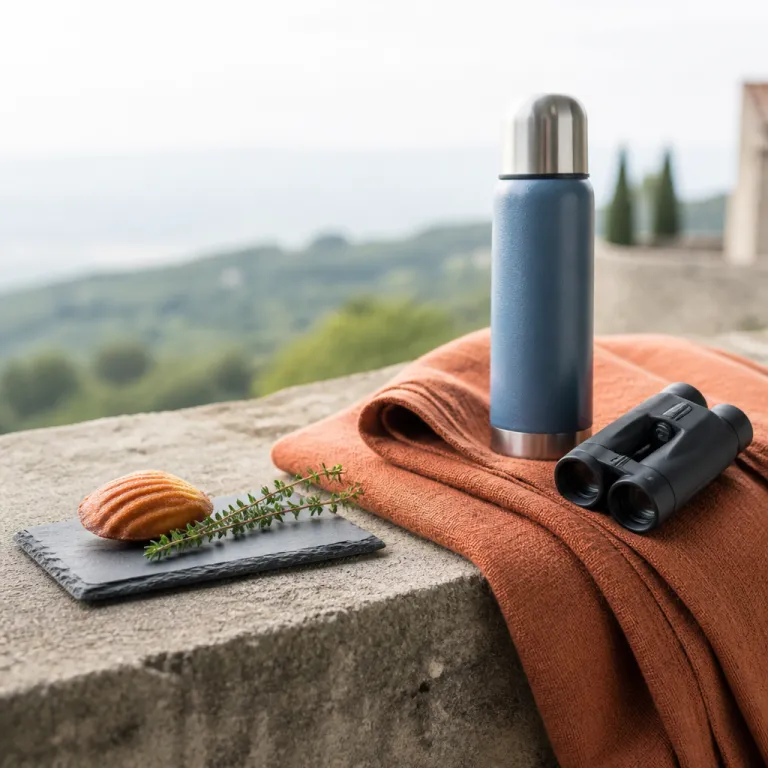
From five star labels to lived moments: how luxury stays in France are changing
Ask frequent travellers why they plan a luxury stay in France now, and the answer rarely starts with thread count. They still expect a five star hotel with flawless service, but the decision to night book a property increasingly turns on what they will taste, learn or feel between check in and check out. The room is the stage ; the real performance is the sequence of experiences wrapped around it.
This shift is clearest in paris, where a traditional grand hotel once sold itself on a chandeliered lobby and a famous bar. Today the most interesting luxury hotels in Paris France curate neighbourhood walks with historians, backstage opera visits and chef led market tours that begin in the morning and end with a private dinner in the hotel spa courtyard. Guests compare hotels France not only on rooms night rates and the size of the fitness center, but on how well the concierge can open doors to the city’s creative and culinary center.
Rates at palace level hotels resorts in France now average around 1 900 € per night, and that price rise has been accompanied by a rise in expectations. When you pay that much for a star hotel in Paris or on the French Riviera, you want more than a polished lobby and a partial Eiffel Tower view from a view hotel suite. You want a stay that feels like a carefully edited collection of moments, from a sunrise yoga session on a château terrace in the south France to a late night jazz set arranged by the hotel Paris team in a hidden Saint Germain cellar.
Gastronomy as a booking engine: when the restaurant defines the stay
Food has become the sharpest lens through which to plan a luxury stay France wide, and the Michelin Guide’s latest French selection underlines that shift. With dozens of new starred tables across the country, many of them inside hotels and resorts, travellers now check restaurant reservations before they even view details of the rooms. A hotel that once treated its dining room as an amenity now treats it as the main reason guests choose one address over another.
In Paris France, executives extending a work trip will often pick a hotel Paris specifically because its restaurant has earned a Michelin star and strong guest reviews. The same pattern plays out in Provence and the south France, where vineyard hotels and château estates pair rooms night packages with tasting menus, cellar tours and sommelier led classes that run far beyond a standard wine flight. For a deeper dive into this trend, guides to sleeping among the vines at wine estate hotels from Burgundy to Champagne show how gastronomy and hospitality now form a single, seamless experience.
Outside the capital, properties such as Domaine de la Bretesche in western France illustrate how a five star hotel can build an entire stay around the table. Guests move from a morning golf round to a market visit with the chef, then into a cooking class before a long dinner that stretches late into the night. In this model, the spa, the golf course and the elegant rooms are supporting actors ; the real star is the culinary journey that quietly justifies the taxes fees line on your final bill.
From château to Riviera: how regions in France define luxury experiences differently
What counts as a meaningful luxury stay France wide depends heavily on where you open your suitcase. In Paris, the emphasis falls on culture, fashion and access, while in Provence or the Alps it shifts toward landscape, wellness and time spent far from any corporate center. The same traveller who wants a view hotel suite above the Seine in Paris France may crave a stone walled chateau room in the south France where the only sound at night is the mistral in the cypress trees.
In Provence, the most compelling luxury hotels tend to be former farmhouses or château estates where the day is structured around the land. You might start with a yoga class facing the vines, move into an olive oil workshop with a local producer, then join a guided walk through a nearby village market before returning to the hotel spa for a late afternoon treatment. For a sense of how this slower rhythm plays out across the region, a guide to quiet luxury in French hospitality explains why understated service and space to breathe now matter more than marble lobbies.
On the French Riviera, by contrast, the experience often revolves around the sea and the social scene. A hotel cap d’Antibes address or a Saint Tropez hideaway will still offer a polished spa and a serious fitness center, but the real draw is a curated collection of boat days, gallery visits and late night tables at beach clubs that never appear on public lists. In the Alps, properties such as Rosewood Courchevel Le Jardin Alpin show how a ski in, ski out luxury hotel can turn a simple winter stay into a sequence of guided off piste days, fireside tastings and stargazing sessions that make the rooms feel like just one part of a much larger story.
Château stays and relais châteaux: when heritage becomes the experience
Among all the ways to plan a luxury stay France wide, château accommodations have become the most evocative for travellers who want history with their high thread count. A well run chateau hotel does not simply offer large rooms and a pretty view over lawns ; it uses the building, the archives and the surrounding land as raw material for experiences you cannot copy in a city tower. The best relais châteaux properties in France understand this and design stays where every corridor and courtyard opens window like onto another layer of local life.
Take a château in Provence or the wider south France, where the day might begin with a guided walk through the estate’s vineyards and end with a candlelit tasting in a stone cellar. In between, guests might join an artisan for a ceramics workshop, help the gardener in the potager or sit down with the chef to plan a menu built entirely from the property’s own fields. A destination management company such as Damoisel often steps in to weave these elements together, designing bespoke itineraries that link several hotels and resorts into a single, coherent collection of experiences.
For business travellers turning a Paris meeting into a long weekend, a château stay within a two hour train ride can feel like a complete reset. They might spend one night in a grand hotel in the capital, then move to a relais châteaux estate where the only schedule is a spa treatment, a wine tasting and a late dinner under plane trees. In this context, the star hotel rating, the exact size of the rooms and the list of offers on the website matter less than whether the property can translate its heritage into moments that feel personal rather than staged.
What travellers really mean by “luxury stay France” when they search and book
When someone types luxury stay France into a search bar, they are rarely asking for a generic list of hotels. They want to know which hotel in Paris or which château in the south France will turn a necessary trip into a story they will still talk about months later. They are also trying to check whether the taxes fees, the rooms night rate and the distance from the city center will feel justified once they are actually on the ground.
For the business leisure traveller, the search often starts with logistics and ends with experiences. They look for hotels France that sit near a meeting venue or transport hub, then filter by whether the property offers a serious spa, a real fitness center and access to restaurants or cultural sites that match their interests. Many will open several tabs, compare reviews, view details of each room category and then email the concierge directly to ask about specific activities rather than simply accepting the default offers on the booking engine.
Across France, the most successful luxury hotels and resorts have learned to answer this intent clearly and honestly. They describe not only the size of the rooms and the quality of the view, but also the sommelier led tastings, the guided museum visits, the sailing days off Saint Tropez or the vineyard walks in Provence that can be arranged around a single night book stay. For travellers who care as much about markets as monuments, resources such as a detailed guide to vineyard hotels and village markets in the Luberon help narrow the field to properties where the experience begins long before you hand over a credit card at reception.
How to read between the lines: separating real experience from marketing gloss
As more properties race to sell an experiential luxury stay France wide, the language on hotel websites has started to blur. Everyone now claims to offer curated journeys, insider access and immersive stays, which makes it harder to tell who is serious and who is simply repackaging standard excursions. This is where a more forensic approach to reviews, room descriptions and activity lists becomes essential.
One useful test is to look at how specific a hotel is when it describes its experiences. A property that simply lists “wine tasting” or “cultural walk” without naming producers, guides or neighbourhoods is probably buying off the shelf activities that any concierge in Paris France or on the French Riviera could arrange. By contrast, when a hotel spa in Provence names its therapist, details the origin of its oils and explains how treatments change with the seasons, you are seeing the kind of thought that usually signals a genuine commitment.
Another filter is to examine how integrated the experiences are into the rhythm of the stay. A grand hotel that offers a single weekly yoga class in a conference room is not on the same level as a relais châteaux estate where the fitness center, the spa, the restaurant and the surrounding landscape are all woven into a coherent program. As one expert summary puts it, “What defines an experiential luxury stay? A stay emphasizing unique, personalized experiences beyond accommodations. Why are luxury hotels focusing on experiences? To meet traveler demand for meaningful and authentic engagements. How to choose an experiential luxury hotel in France? Look for properties offering personalized services and cultural activities.”
Key figures shaping experiential luxury stays in France
- Average nightly rates at France’s official palace category hotels now sit around 1 900 € per room, a level that pushes guests to demand more layered experiences in return for the taxes fees on their bill.
- These palace hotel rates have risen by close to 80 percent since the end of the last decade, a jump that has accelerated the shift from paying for square metres to paying for access, programming and personalised service.
- Destination management companies such as Damoisel report that a growing share of itineraries now prioritise private experiences first and hotel selection second, reversing the traditional booking order.
- Properties like Domaine de la Bretesche demonstrate the trend by combining golf, spa, gastronomy and nature into stays where guests typically book multiple nights specifically to join on site activities.
- New luxury openings in alpine resorts such as Rosewood Courchevel Le Jardin Alpin show how ski in, ski out access is now packaged with wellness and culinary programming rather than sold as a standalone advantage.
FAQ about experiential luxury stays in France
What exactly defines an experiential luxury stay in France ?
An experiential luxury stay in France is one where the primary value lies in what you do rather than where you sleep. The hotel, whether in Paris, Provence or on the French Riviera, acts as a platform for personalised activities that reflect local culture, nature and gastronomy. Rooms, spa facilities and star ratings still matter, but they serve a broader narrative built around meaningful experiences.
Why are luxury hotels in France investing so heavily in experiences ?
French luxury hotels are responding to guests who now measure value in memories rather than amenities alone. As nightly rates at palace and five star hotels have climbed, travellers expect access to chefs, artisans, guides and wellness experts that they could not easily arrange on their own. This focus on experiences also helps properties differentiate themselves in a crowded market where many rooms look similar on a booking screen.
How can I tell if a hotel’s experience offer is authentic ?
Look for specificity and integration. Authentic properties name their partners, explain how activities connect to local history or terroir and show how experiences fit naturally into a stay rather than appearing as bolt on extras. Guest reviews that mention staff by name and describe detailed moments are another strong indicator that the programming is more than marketing language.
Are château stays and relais châteaux properties worth the higher price ?
For travellers who value heritage, space and a slower rhythm, château hotels and relais châteaux estates can justify their higher nightly rates. These properties often include access to private grounds, historical tours, on site gastronomy and wellness that would be difficult to replicate in a city hotel. The key is to check how actively the estate uses its setting to create experiences, rather than simply renting out atmospheric rooms.
When should I book experiences during a luxury stay in France ?
For peak seasons in Paris, Provence, the Alps and the south France, it is wise to reserve key experiences as soon as you confirm your rooms night booking. Restaurants with Michelin stars, private guides and limited capacity spa rituals can sell out weeks in advance. Once the essentials are secured, you can leave some space in your schedule for spontaneous moments suggested by the concierge or local partners.