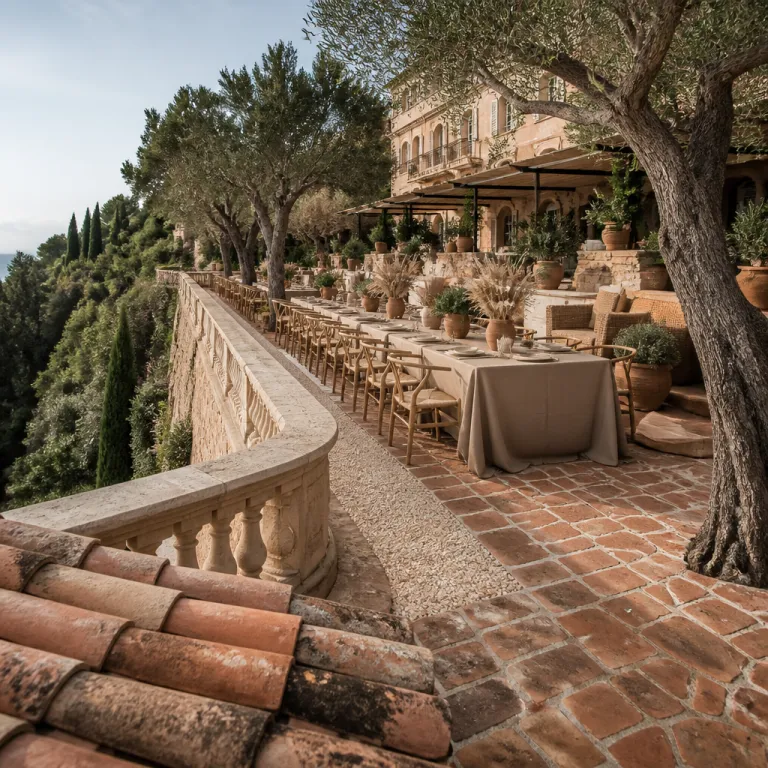
Why the French Riviera is a natural stage for a wedding
A French Riviera wedding blends sea light, refined service, and cinematic scenery. Along this stretch of côte between Nice and Saint Tropez, couples find venues where the line between celebration and holiday almost disappears. For many guests, a stay in a luxury hotel or historic château turns weddings in this part of France into multi day experiences rather than single events.
The region of Provence and the wider Provence Alpes Côte d’Azur coastline offers a rare mix of Mediterranean climate, polished infrastructure, and strong hospitality culture. That combination explains why destination weddings here often welcome around 80 guests, with couples planning 12 to 18 months in advance to secure the right wedding venue and hotel. When you choose to marry on the Côte d’Azur, you are also choosing a network of local planners, caterers, and florists who specialise in France wedding logistics for international couples.
Couples usually compare several wedding venues before committing to one château, villa, or hotel. Coastal towns such as Cannes, Nice, and Saint Tropez each bring a different aesthetic, from Belle Époque façades to contemporary glass fronted resorts facing the Mediterranean. The most successful celebrations on the Riviera start with a clear guest list, a realistic budget around 100 000 euros, and a decision on whether the ceremony will be civil in France or symbolic only. As one planner based in Cannes puts it, “Once you know your numbers, your budget, and your legal plan, every other choice becomes easier.”
Iconic wedding venues from Nice to Saint Tropez
Between Nice and Cannes, the peninsula of Cap Ferrat concentrates some of the most prestigious wedding venues in south France. Here, a Côte d’Azur celebration might unfold in a grand hotel on the water, a private wedding villa in the hills, or a historic château surrounded by gardens. Each type of venue shapes how guests move between ceremony, cocktail, and dinner, so the choice of setting is more than a question of style.
Many couples are drawn to the legendary Hôtel du Cap Eden Roc, often simply called Eden Roc, which sits on a rocky cap facing the open Mediterranean. This kind of hotel cap property suits larger weddings, where guests can stay on site and enjoy pre wedding events by the pool or on private pontoons. In contrast, a smaller château or villa near Cannes or on Cap d’Antibes may work better for intimate gatherings, with guests accommodated in several nearby hotels along the Riviera côte. A typical itinerary might include a welcome cocktail in a beach club, the wedding day in a villa or château, and a relaxed brunch in a nearby palace hotel.
Further west, Saint Tropez and the surrounding villages offer a different riviera south atmosphere, with pine framed beaches and terracotta roofs. A France wedding in Saint Tropez often combines a church ceremony in the old village of Saint Tropez with a reception in a countryside château or a waterfront venue on Pampelonne beach. If your date coincides with major events or national celebrations, consider reserving rooms with terraces that overlook fireworks, using a guide to watch celebrations from your hotel terrace to inspire your choice. One couple, for example, chose a boutique hotel above the port specifically so their guests could watch Bastille Day fireworks from the rooftop after the reception.
Historic villas and châteaux for a refined aesthetic
For couples seeking a wedding French aesthetic rooted in history, the Riviera offers exceptional villas and châteaux. On Cap Ferrat, Villa Ephrussi de Rothschild, often referred to simply as Villa Ephrussi, is one of the most coveted wedding venues in France. Its pink façade, themed gardens, and terraces overlooking the Mediterranean create a setting where a Côte d’Azur ceremony feels both theatrical and intimate.
At Villa Ephrussi, the Ephrussi Rothschild heritage shapes every angle of the event, from the ceremony on the stone terrace to the dinner facing the bay of Villefranche sur Mer. Because of its layout, this wedding villa suits medium sized weddings, where guests can circulate between the French, Spanish, and Florentine gardens during cocktails. Many couples pair the villa venue with a nearby luxury hotel in Nice or on Cap Ferrat, ensuring that guests enjoy both historic architecture and contemporary comfort during their stay in south France. A local planner might suggest a palace hotel in Nice for younger guests and a quieter sea view property on Cap Ferrat for families.
Elsewhere along the Riviera French coastline, you will find château Saint estates in the hills above Cannes or near Saint Paul de Vence, each offering a different balance between privacy and access. These châteaux often work with experienced wedding planners who coordinate transport for guests, manage sound curfews around 22 hours, and liaise with local partners. For a deeper dive into how to align venue choice with accommodation, many couples consult dedicated guides to planning an elegant southern France wedding with luxury hotel stays before signing contracts, paying particular attention to shuttle routes, parking, and late night access.
Choosing the right luxury hotel strategy for your guests
Once the venue is secured, the next strategic decision is how to structure hotel stays for your guests. Some couples reserve an entire hotel close to the wedding venue, turning it into a private hub for welcome drinks, pool days, and farewell brunches. Others prefer to block rooms in several hotels across the French Riviera, allowing guests to choose between a palace in Cannes, a design focused property in Nice, or a quiet retreat in Provence.
For a celebration centred on a coastal château or villa, it often makes sense to select one anchor hotel within 5 to 10 kilometres of the venue. This simplifies transfers on the wedding day and keeps logistics manageable for older guests or families with children. When your wedding venue is inland, perhaps in a château Saint estate near Grasse or in the hills of Provence, you may combine a countryside hotel with a few rooms in a seaside property, giving guests the option to extend their stay by the Mediterranean. Typical room block strategies include a main allocation at the anchor hotel, a smaller block at a nearby boutique property, and a handful of suites in a five star palace for close family.
Wellness focused hotels are increasingly popular among wedding guests who want to turn weddings into restorative breaks. Properties with serious spa facilities and thermal heritage can be particularly appealing in the shoulder seasons of June and September, when the climate is gentle. If this aligns with your plans, consult resources on luxury spa hotels in France to identify stays that complement your Riviera wedding aesthetic and offer meaningful experiences beyond the ceremony itself. Shuttle services, private drivers, and local coach companies can then be coordinated around these hotel choices to keep transport smooth and discreet.
Planning timelines, budgets, and logistics on the Côte d’Azur
Destination weddings on the Côte d’Azur follow a clear planning rhythm that rewards early decisions. Couples typically begin scouting wedding venues and hotels 12 to 18 months before the chosen date, especially if they want a Saturday in June or September. Booking the venue and main hotel 6 to 12 months in advance is essential, as availability in Nice, Cannes, and Saint Tropez can tighten quickly during peak Mediterranean season.
Budget wise, an average cost around 100 000 euros for a French Riviera wedding reflects venue hire, catering, décor, entertainment, and accommodation contributions. According to French Wedding Style, this figure is a realistic benchmark for destination weddings in the region, with typical guest counts around 80 people. As a simple breakdown, many couples allocate roughly 40 % to the venue and rental items, 30 % to food and beverage, 15 % to photography, music, and décor, and the remaining 15 % to accommodation support, transfers, and contingency. This figure can rise significantly for large weddings at iconic properties such as Eden Roc or a grand hotel cap on Cap Ferrat, particularly if you privatise spaces or book multiple nights.
Logistics extend beyond the wedding venue itself, especially when guests arrive from several countries. You will need to coordinate transfers from Nice Côte d’Azur Airport or regional train stations, arrange shuttles between hotels and the château or villa, and communicate clearly about dress codes and local customs. One practical tip from experienced planners is simple but powerful : “Book accommodations early. Consider off peak seasons for better rates. Arrange transportation for guests.” To keep the 12 to 18 month window manageable, many couples follow a concise checklist : define guest count, budget, and preferred towns; secure venue, hotels, and key vendors; confirm transport options; send save the dates; and in the final months, refine menus, décor, rooming lists, seating plans, and shuttle timings.
Legal, cultural, and seasonal considerations for weddings in France
Foreign couples planning a France wedding on the Riviera must understand the legal framework before confirming dates. Civil marriage in France requires residency in a commune, which is why many international couples complete the legal ceremony at home and hold a symbolic wedding French celebration on the Côte d’Azur. Official guidance from French town halls (mairies) and the Service Public portal explains that at least one partner usually needs a domicile or continuous residence of a minimum duration in the commune before the civil ceremony, so always verify current rules with the mairie where you hope to marry.
Seasonality also shapes the experience of a French Riviera wedding, both for couples and guests. Local experts often recommend shoulder months for weddings, and one concise guideline captures this clearly : “What is the best time of year for a French Riviera wedding? June and September offer pleasant weather and fewer crowds.” These months balance warm Mediterranean light, manageable temperatures, and better hotel availability, especially in busy hubs such as Nice, Cannes, and Saint Tropez. Early May and early October can also work, particularly for smaller weddings that are less dependent on peak season services.
Cultural expectations around sound and neighbourhood tranquillity are another key factor when selecting a wedding venue in south France. Many municipalities enforce sound curfews around 22 hours, particularly for outdoor music, so you should clarify rules with each château, villa, or hotel. When comparing options, ask whether the venue offers indoor spaces for late night dancing, how they manage relations with neighbours, and whether they have preferred vendors familiar with Riviera French regulations. A seasoned planner will often suggest moving the party indoors after dinner, using sound limited equipment, and scheduling fireworks or live bands earlier in the evening.
How the French Riviera compares with other luxury wedding destinations
Couples considering a French Riviera wedding often compare it with other European destinations such as Lake Como. Both regions offer grand villas, historic hotels, and dramatic water views, yet the Riviera benefits from a longer Mediterranean season and direct flight connections to Nice. Lake Como may appeal if you prefer alpine backdrops and Italian villas, while the Riviera cote is stronger for beach access, yachting, and proximity to Provence.
Within France itself, the contrast between the Riviera south and inland Provence is subtle but important. A château Saint estate among lavender fields or vineyards offers a quieter, more rural setting, whereas a hotel cap property on Cap Ferrat or near Eden Roc places your guests at the heart of coastal life. Some couples split the difference by hosting the main wedding at a seaside venue and a relaxed next day gathering in the hills, giving guests a taste of both Mediterranean glamour and countryside calm. This two location approach also spreads travel time, with one day focused on the sea and another on village squares and vineyards.
When evaluating destinations, focus on how each option serves your specific priorities for weddings, from guest travel time to the availability of trusted planners and vendors. The French Riviera stands out for its dense concentration of venues, from Villa Ephrussi to contemporary hotels in Cannes and Nice, which simplifies logistics for multi day celebrations. If you value a combination of refined service, varied wedding venues, and a setting where guests can easily extend their stay, the Riviera French coastline remains one of the most compelling choices in Europe.
Key figures for French Riviera weddings
- Average budget for a French Riviera wedding is around 100 000 euros, reflecting the premium cost of venues and services on the Côte d’Azur (source : French Wedding Style, which reports six figure budgets as a common benchmark for destination celebrations in the region).
- Typical guest count for destination weddings on the Riviera is about 80 people, which aligns well with the capacity of many villas, châteaux, and coastal hotels (source : French Wedding Style, based on real wedding case studies).
- Sound curfews for outdoor music often start around 22 hours, so couples should plan indoor after parties or adjust timelines accordingly (source : French Wedding Style and feedback from local planners).
- Planning usually begins 12 to 18 months before the event, with venue and hotel bookings secured 6 to 12 months in advance to guarantee availability in Nice, Cannes, and Saint Tropez.
- Symbolic ceremonies are common among international couples, as civil marriage in France requires residency in the commune where the legal ceremony takes place.
Frequently asked questions about French Riviera weddings
What is the best time of year for a French Riviera wedding ?
June and September are widely regarded as ideal months for a French Riviera wedding, offering warm but not extreme temperatures and fewer crowds than peak summer. These months also provide better hotel availability and more flexible rates for guests. Spring and early autumn can work as well, but always check daylight hours and potential rainfall patterns for your chosen venue.
Are there legal requirements for marrying in France ?
Yes, civil marriage in France requires at least one partner to meet residency conditions in the commune where the ceremony is held. Because of this, many international couples complete the legal marriage in their home country and host a symbolic ceremony at a château, villa, or hotel on the Riviera. Your wedding planner or local mairie can confirm the latest administrative requirements for your situation, and official French government resources such as Service Public provide up to date guidance on documents and residency rules.
What types of wedding venues are popular on the French Riviera ?
Popular wedding venues on the French Riviera include coastal hotels, historic châteaux, and private villas with sea views. Iconic options range from Villa Ephrussi de Rothschild on Cap Ferrat to grand hotels in Cannes and Saint Tropez. When choosing, consider capacity, sound regulations, and proximity to quality accommodation for your guests.
How far in advance should we book hotels for our guests ?
For a destination wedding on the Côte d’Azur, you should reserve hotel room blocks 9 to 12 months in advance, especially if your date falls in June, July, or September. This timeline allows guests to secure flights and trains at reasonable prices and ensures that rooms remain clustered near your wedding venue. In very popular towns such as Nice and Cannes, earlier booking is always safer.
Can we plan an eco friendly wedding on the French Riviera ?
Yes, eco conscious weddings are increasingly common on the Riviera, with many venues and hotels offering sustainable options. You can work with local vendors for seasonal menus, choose décor that can be reused or donated, and organise group transfers to reduce transport emissions. Discuss your priorities early with your wedding planner so they can propose venues and partners aligned with your environmental goals.