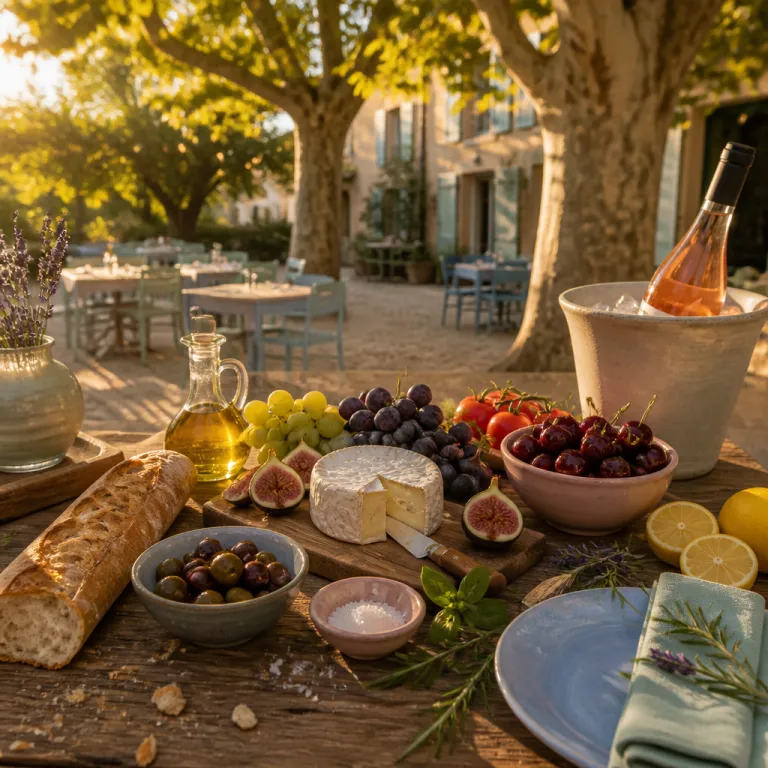
Provençal courtyards: where plane trees define the dining experience
In Provence, the most memorable outdoor dining France hotel moments unfold beneath plane trees that have shaded generations of long summer lunches. From Domaine des Andéols to L'Aupiho at Domaine de Manville, the rhythm of the meal follows the cicadas, the filtered light, and the slow arrival of chilled rosé and precise plates of French food. When you choose a hotel here, you are really choosing a courtyard, a patio, and a dining experience that stretches from the first apéritif in april to late evenings in june.
Domaine des Andéols sets the tone for this region, with tables arranged under a single centuries old tree that turns every lunch into theatre. The chef leans into the setting with food that respects the heat ; grilled vegetables, olive oil rich sauces, and fish that pairs naturally with local wine and, increasingly, carefully selected natural wine. Outdoor seating is not an afterthought but the main stage, and the restaurants inside the property feel almost like a retreat for the rare nights when mistral winds make al fresco dining less appealing.
Nearby, L'Aupiho at Domaine de Manville shows how Michelin level restaurants can adapt to outdoor service without losing precision. Here, the outdoor restaurant is the ideal spot for couples who want a long dinner that starts in daylight and ends under a soft canopy of bulbs, with every course timed to the changing sky. The best tables sit at the edge of the patio, where you enjoy the view over the golf greens and limestone hills while plates of refined French food arrive with almost balletic calm.
Across Provence, properties partner with local farmers and regional wineries to keep these outdoor dining experiences rooted in terroir. Menus shift between april and june as tomatoes, courgettes, and stone fruit arrive, and the chefs adjust textures so that food stays vibrant in the warm air. With average summer temperatures around 28 °C and more than 50 000 plane trees across the region, hotels have learned that shaded outdoor seating, light fabrics, and discreet fans are as crucial to guest comfort as any wine list.
Riverside terraces and garden tables: water, potagers and long summer lunches
Move north to the Loire or west to the Dordogne and the character of outdoor dining France hotel experiences changes with the water. Here, the best restaurants use riverside terraces and lawns that slope gently to the bank, turning every lunch into a slow moving tableau of boats, reflections, and glasses catching the light. Couples come for the calm, but they stay for the way French food tastes different when there is a faint river breeze and the only sound is cutlery and distant church bells.
Country estates in these regions often place their main restaurant between the château and the potager, so guests literally walk past the vegetables that will appear on their plates. This is where garden tables shine ; a small cluster of outdoor seating tucked between herb beds, with a chef who steps out to cut chives mid service. Breakfast on these terraces can be as considered as dinner, and if you care about the nuances of a French hotel breakfast, you will appreciate properties that treat morning service with the same seriousness as their gastronomic menus, as explored in this guide to the French hotel breakfast ritual.
On these estates, restaurants inside the main building usually handle formal tasting menus, while the outdoor restaurant focuses on relaxed fresco dining with a strong sense of place. Expect grilled river fish, crisp fries cooked in clarified butter, and salads built from whatever the gardeners picked at dawn, all designed to pair with regional wine and, increasingly, a glass of chilled natural wine. The ideal spot is often a table slightly away from the main cluster, where you can enjoy the view of the water without losing the quiet murmur of other diners.
Practicalities matter on the river just as much as in Provence, and the most thoughtful hotels handle them with invisible precision. Weather contingency plans are essential, so ask in advance how quickly the team can move service from outdoor seating to restaurants inside if a storm rolls in. When planning reservations, aim for a late lunch in june or early evening in august, when the light is soft, the temperature is kind, and the food feels perfectly in tune with the landscape.
Paris rooftops and urban patios: intimate sky level tables worth booking
In paris, the outdoor dining France hotel scene is less about plane trees and more about rooftops, courtyards, and terraces that carve out calm above the traffic. The most rewarding restaurants are often in small luxury properties, where a handful of tables on a patio or roof become the best spot in the building. These spaces are not about the postcard monument shot ; they are about the way a glass of wine feels different when you are just above the city’s noise, close enough to feel its energy but far enough to talk without raising your voice.
Some paris hotels now treat their outdoor restaurant as the primary draw, with menus that lean into sharing plates, precise fries, and seasonal French food designed for convivial dining. You might start with a light lunch of grilled vegetables and seafood, then stay for a second bottle of natural wine as the sky shifts from pale blue to deep indigo. For couples, the ideal spot is usually at the edge of the terrace, where you can enjoy the view of zinc rooftops while still feeling part of the room’s quiet theatre.
Historic addresses such as La Tour d’Argent remain reference points for elevated dining experiences in paris, but many travelers now pair a classic meal there with a more relaxed evening at a hotel terrace. This is where the contrast between restaurants inside and outdoor seating becomes interesting, as chefs design parallel menus that respond to the weather and the mood of the crowd. If you are planning a wider gastronomic journey, from city rooftops to vineyard tables, it is worth reading this detailed trail from Gevrey Chambertin to Beaune on Burgundy’s most characterful gastronomic hotels.
Parisian hotels also lead the way in outdoor logistics, from acoustic management to lighting design that flatters both plates and people. Expect carefully placed planters that break up sound, warm toned lamps that make food look as good as it tastes, and heaters that extend the season from april well into the cooler months. When reading guest comments, pay attention to how often the terrace is mentioned ; in a city with so many restaurants, a hotel that earns repeated praise for its outdoor dining is usually doing something very right.
How hotels perfect the art of outdoor dining: logistics, timing and reservations
Behind every effortless outdoor dining France hotel moment sits a serious operational effort. The best properties treat their terraces and gardens as fully fledged restaurants, not seasonal add ons, with dedicated outdoor kitchens, service flows, and weather plans. This is especially true in Provence, where the outdoor dining season runs from june to august and where, as one regional guide notes, “Summer months, from June to August, offer ideal weather.”
Hotels that excel at fresco dining think about everything the guest might not notice consciously. They choose tableware that will not tip on uneven stone, specify chairs that remain comfortable through a three hour dining experience, and train staff to read the light so that candles appear at exactly the right moment. Many now invest in permanent grills and braziers, a trend that will only accelerate with openings such as Maison Le Chevreuil, where the outdoor restaurant and its wood fired kitchen will be the heart of the property rather than a seasonal extra.
For travelers, the most important decisions are timing and reservations. In Provence and along the rivers, aim for a late lunch when the sun has softened, or a dinner that begins just before sunset, especially in june when evenings stretch generously. Always reserve in advance for the best restaurants, and do not hesitate to specify that you want outdoor seating ; during peak dates, the ideal spot under the plane trees or by the water will go first.
Dress codes for outdoor dining at French hotel restaurants are usually relaxed but polished, especially in properties that balance fine dining with a resort atmosphere. Light fabrics, flat shoes for gravel paths, and a layer for late evening breezes will keep you comfortable from apéritif to digestif. If you are planning a wider itinerary that combines cultural stays with gastronomic tables, including art focused hotels in Normandy, you will find thoughtful suggestions in this guide to art hotels and cultural stays across Normandy, which pairs well with a summer of terrace hopping.
FAQ
What is the best time of year for outdoor dining at French hotel restaurants ?
The prime season for outdoor dining at French hotel restaurants runs from late april to early september, with a clear peak between june and august. In Provence, average summer temperatures around 28 °C create ideal conditions for long lunches under plane trees and extended dinners on terraces. Coastal and riverside regions can feel comfortable slightly earlier and later in the season, thanks to moderating breezes.
Do outdoor hotel restaurants in France require reservations ?
Most sought after hotel restaurants with outdoor seating do require reservations, especially during the high season from june to august. For the best chance at securing an ideal spot on a patio or under the trees, book at least one to two weeks ahead for dinner and a few days ahead for lunch. When reserving, always specify that you prefer outdoor seating, as many properties manage separate allocations for restaurants inside and outside.
Are vegetarian options available at outdoor hotel restaurants in France ?
Vegetarian options are widely available at upscale French hotel restaurants, particularly those that work closely with local farmers and rely on seasonal produce. In Provence, the Loire, and Burgundy, chefs often build entire menus around vegetables from their own potagers, which translates naturally into plant forward dishes. If you have specific dietary needs, it is still wise to mention them when making reservations so the chef can plan accordingly.
What should I wear for outdoor dining at luxury hotels in France ?
Dress codes for outdoor dining at luxury hotels in France generally follow a smart casual standard, with an emphasis on comfort and understated elegance. Lightweight fabrics, closed or stable shoes for gravel paths, and a light jacket or shawl for late evenings will suit most terraces from Provence to paris. Only a few formal palace style properties expect jackets at dinner, and even there, rules tend to soften slightly for garden or rooftop tables.
How do hotels handle bad weather during outdoor dining service ?
Well run hotels plan detailed contingencies so that a sudden storm does not ruin the dining experience. Many terraces sit close to restaurants inside, allowing staff to move tables quickly under cover while keeping the same menu and service team. When you book, you can ask how the property manages weather changes ; clear answers usually signal a hotel that takes its outdoor restaurant as seriously as its main dining room.