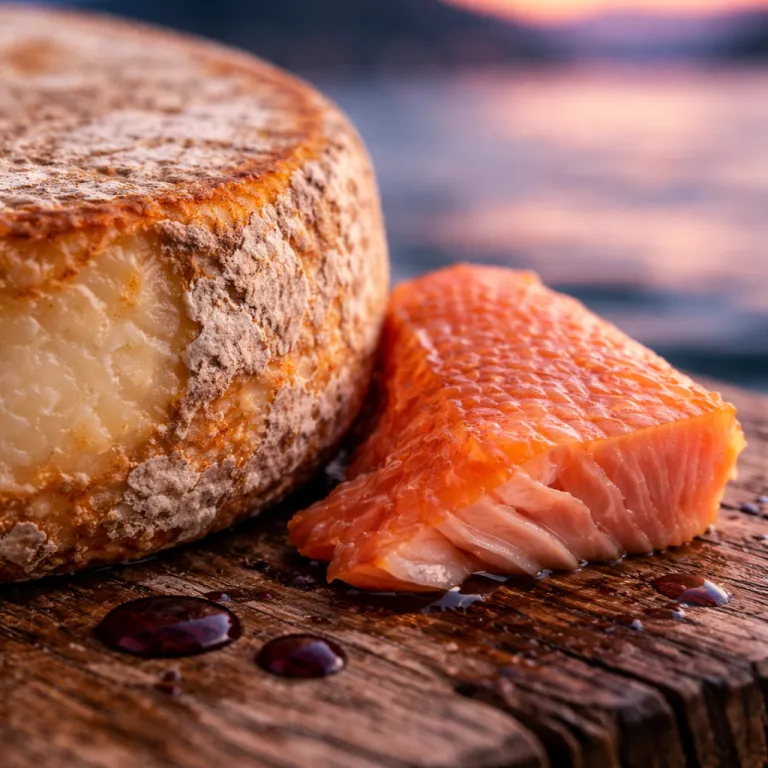
French Alps gastronomy becomes a serious mountain corridor
French Alps gastronomy has shifted from après-ski cliché to serious culinary itinerary. In the Auvergne Rhône-Alpes region, a new corridor between Annecy, the Bauges mountains and Jongieux now rivals classic routes through Lyon for ambitious diners. For travelers using a luxury hotel booking website in France, this means that choosing the right mountain base is now as important as securing a table in a Michelin starred restaurant.
The latest Michelin Guide France highlights a growing cluster of mountain restaurants across Jura, Savoie and Haute-Savoie, confirming that alpine cuisine is no longer peripheral. Les Morainières in Jongieux, in the gentle vineyards of Savoie Mont, now holds two Michelin stars and anchors this emerging axis of French Alps gastronomy with rare authority. For solo explorers, this concentration of high level restaurants within a compact ski area and lake district makes it possible to pair winter sports or summer hiking with serious regional cuisine in a single long weekend.
This region of France has always produced exceptional cheese, potatoes and cow milk, but chefs now treat these ingredients with the same respect as grand cru wines. Traditional Savoyard dishes such as fondue savoyarde, raclette and gratin of tomme de Savoie sit alongside lighter alpine dishes built around lake fish, wild herbs and precise sauces. When you book a premium stay in the French Alps, you are no longer choosing only between ski resorts or spa facilities; you are choosing between distinct expressions of local cuisine shaped by altitude, terroir and proximity to producers.
From Annecy’s lakeside tables to the vineyards of Jongieux
Start this French Alps gastronomy journey in Annecy, where the lake reflects the surrounding mountains and the old town concentrates serious kitchens within a few streets. The Annecy area counts around a dozen Michelin stars according to recent editions of the Michelin Guide France, an impressive figure for a relatively compact alpine city in the wider Rhône-Alpes region. Here, Annecy lakefront restaurants explore both traditional Savoyard dishes and contemporary French cuisine, often in the same tasting menu built around lake fish, mountain herbs and carefully selected white wine from nearby Savoie.
Auberge du Père Bise in Talloires-Montmin, led by two Michelin starred chef Jean Sulpice, is the reference address on the eastern shore of the lake. The property sits between water and mountain, and its restaurant shows how local cheese, potatoes and vegetables from the surrounding mountains can be elevated without losing their comforting soul. A typical menu might move from a delicate lake fish tartare with alpine herbs to a slow-cooked veal dish glazed with Savoie white wine, ending with a dessert scented with mountain honey. This is where French Alps gastronomy feels both rooted and refined, with dishes that might pair Reblochon or tomme de Savoie with lake fish or wild herbs gathered above the ski area in summer.
From Annecy, follow the quiet roads through the Parc naturel régional du Massif des Bauges toward Jongieux, passing small villages where melted cheese still perfumes family restaurants at lunch. The landscape softens as you leave the high mountains for the rolling vineyards of Savoie Mont and the wider Auvergne Rhône corridor. The drive is typically around one hour and fifteen minutes, depending on traffic and weather, which makes it realistic as a day trip. This is an ideal moment to extend your gastronomic trail beyond the Alps by planning a later detour along a dedicated gastronomy trail between vineyard towns, linking alpine wines with the great cellars of eastern France.
Les Morainières and the new language of alpine fine dining
Les Morainières in Jongieux is the quiet epicentre of this new French Alps gastronomy corridor. Chef Michaël Arnoult, who trained under Emmanuel Renaut at Flocons de Sel in Megève, opened the restaurant with his wife Ingrid in the middle of Savoie’s vineyards and has spent two decades refining a precise, landscape driven cuisine. The second Michelin star confirms what many French and international travelers already knew: this is now one of the essential tables in France for understanding contemporary alpine cuisine.
The kitchen at this restaurant works almost exclusively with local producers from the surrounding region, drawing on lake fish, wild herbs, heritage livestock breeds and cheeses such as Abondance, Chevrotin and tomme de Savoie. Here, melted cheese is never a gimmick but a carefully measured element in a dish that might also feature vegetables from les vallées, or a sauce built on cow milk and white wine from nearby slopes. One seasonal plate, for example, might combine Arctic char with a broth infused with hay from local pastures, while another reimagines a classic gratin as thin layers of potato, aged cheese and fermented cream. This approach shows how Savoyard dishes can evolve without losing their identity, turning familiar ingredients from Savoie and Haute-Savoie into quietly radical plates.
For travelers booking luxury hotels through myfrancestay.com, Les Morainières pairs naturally with refined properties in Annecy, Aix-les-Bains or Chambéry, allowing you to balance vineyard lunches with lakeside evenings. A well planned itinerary might include a night in a spa focused hotel, especially if you are inspired by an elegant journey through the best spa hotels in France, followed by a long lunch in Jongieux and a final morning exploring local markets. To understand how this gastronomic precision filters down to everyday life, pay attention to breakfast; as one guide to the French hotel breakfast experience argues, the morning table now deserves its own focus, and in the Alps that often means farmhouse butter, raw milk yogurts and breads scented with mountain honey.
Where to stay: luxury bases between lake, vineyard and ski area
Choosing the right hotel is crucial if you want French Alps gastronomy to shape your entire stay rather than just one special dinner. Around Annecy, lakeside properties with strong culinary teams allow you to move easily between the old town’s restaurants, the ski resorts of the Aravis and the quieter mountain villages above Talloires. Many of these hotels now work closely with local producers, so the same cow milk that becomes tomme de Savoie in a nearby valley might appear as fresh yogurt at breakfast or as a light sauce in an evening dish.
In the triangle formed by Annecy, Aix-les-Bains and Chambéry, luxury hotels often combine spa facilities with direct access to both mountains and vineyards. This makes them ideal bases for solo travelers who want to ski in the morning, visit a restaurant in Jongieux for lunch and return to a calm room overlooking the lake or the mountains at night. When browsing a premium hotel booking website in France, look for properties that highlight partnerships with specific restaurants, name their wine suppliers from Savoie Mont or Haute-Savoie and mention seasonal menus built around local cuisine. A practical tip is to check whether breakfast includes named cheeses or yogurts from particular farms, a small detail that signals a genuine commitment to local sourcing.
Further east, ski resorts such as Val Thorens in Les Trois Vallées and Val d’Isère in the wider Tarentaise valley now host restaurants that treat Savoyard dishes with the same care as city bistros. You might eat a refined version of fondue savoyarde at altitude, with carefully selected cheeses from Alpes Savoie and a glass of precise Savoie white wine instead of anonymous blends. For travelers who see winter sports as a frame for eating rather than the main event, this alignment between slopes, hotels and restaurants turns the French Alps into a coherent gastronomic landscape.
How mountain chefs turn constraint into creative fuel
Mountain chefs in the French Alps work with a different set of constraints than their colleagues in Paris or Lyon, and that is precisely their strength. Long winters, steep terrain and small scale agriculture mean that the cuisine must respect seasonality, preservation techniques and the realities of life in the mountains. In this context, French Alps gastronomy becomes a study in how to transform potatoes, cow milk, local grains and hardy vegetables into dishes that feel both comforting and modern.
Menus in Savoie and Haute-Savoie still feature emblematic Savoyard dishes such as tartiflette, raclette and fondue savoyarde, but the best restaurants now balance these with lighter alpine dishes built around lake fish, wild herbs and precise broths. As one regional guide notes, “Fondue, raclette, tartiflette, and Reblochon cheese are traditional Alpine dishes.” This respect for tradition coexists with innovation, as chefs use techniques like gentle steaming, fermenting and low temperature roasting to reveal new textures in familiar ingredients from the region. A chef in the Portes du Soleil area might, for instance, serve a simple plate of roasted root vegetables with a fermented cream sauce, explaining that the recipe comes from his grandmother but the technique from a recent stage in Lyon.
For travelers, this means that a stay in the French Alps can be structured around tasting the same ingredient in multiple contexts rather than chasing novelty for its own sake. You might try tomme de Savoie in a simple mountain restaurant at lunch, then encounter it again that evening in a fine dining dish paired with a structured Savoie white wine. Over several days, whether you are based near Mont Blanc, exploring the Portes du Soleil ski area or staying in a quiet village above les vallées, you begin to read the landscape through its cuisine and understand why this corridor now competes with France’s great cities for serious food focused travel.
FAQ
What are the essential traditional dishes to try in the French Alps ?
Key traditional dishes in the French Alps include fondue savoyarde, raclette, tartiflette and gratins made with Reblochon or tomme de Savoie. These Savoyard dishes showcase local cheese, potatoes and cow milk from Savoie and Haute-Savoie. Many restaurants now offer both classic versions and lighter alpine dishes that reinterpret the same ingredients.
How far is Jongieux from Annecy for a gastronomic day trip ?
Jongieux lies roughly 70 kilometres from Annecy, a drive of about one hour and fifteen minutes through the Bauges mountains and the Savoie Mont vineyards in normal conditions. This makes Les Morainières an achievable lunch destination from lakeside hotels in Annecy or Aix-les-Bains. Many travelers choose to stay one night near the restaurant to fully enjoy the tasting menu and local white wine pairings.
Can I combine skiing and fine dining in the same French Alps trip ?
It is entirely realistic to combine winter sports and high level French cuisine in a single itinerary across the French Alps. Ski resorts such as Val Thorens, Val d’Isère and those in the Portes du Soleil area now host ambitious restaurants, while Annecy and Jongieux are close enough for a dedicated gastronomic day. Choosing a hotel with good road access between ski areas and the Annecy–Chambéry corridor makes this combination smoother.
Which local products should I look for in markets and hotel restaurants ?
In markets and hotel restaurants across Savoie and Haute-Savoie, look for Reblochon, Abondance, Chevrotin and tomme de Savoie cheeses, as well as lake fish such as Arctic char, mountain honey and cured meats. Many alpine restaurants now highlight the specific valley or farm where their cow milk and vegetables originate. This transparency helps you understand how closely French Alps gastronomy is tied to its region and individual mountains.
Do I need to reserve Michelin starred restaurants in advance in the Alps ?
Advance reservations are strongly recommended for Michelin starred restaurants in the French Alps, especially at Les Morainières in Jongieux and Auberge du Père Bise near Annecy. These restaurants attract both local diners and international travelers, and seating is limited by design. Booking your tables before finalizing hotel reservations allows you to structure your route efficiently across the Auvergne Rhône-Alpes region.