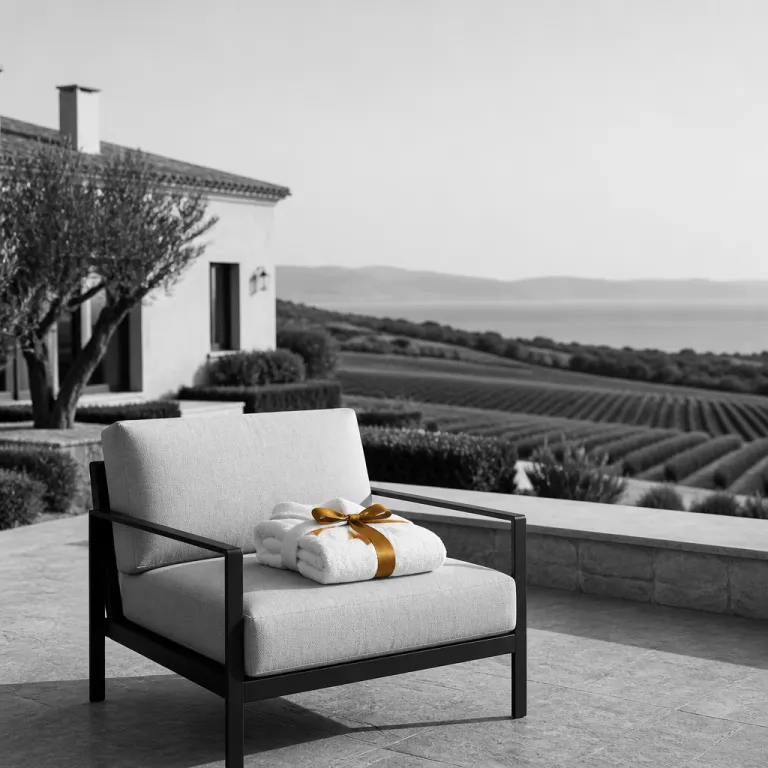
Why a southern France wedding pairs perfectly with luxury hotels
A southern France wedding blends Mediterranean light, refined hospitality, and effortless style. Across the south of France, luxury hotels sit beside historic châteaux, vineyard domaines, and coastal estates, offering couples a seamless link between ceremony and stay. For many celebrations, this harmony between wedding venues and five-star accommodation turns logistics into a curated experience for every group of guests.
Hotel teams in the south understand that a wedding in France is rarely just one day, because destination celebrations often stretch over several evenings with welcome drinks, rehearsal dinners, and farewell brunches. When you choose a wedding venue connected to a hotel, you gain on-site accommodation, expert concierges, and trusted partners such as a local wedding photographer or florist. This integrated approach is especially valuable in regions like Provence, Occitanie, and Nouvelle-Aquitaine, where estates can be remote yet offer exceptional privacy for a wedding in France.
Specialist planners such as Fête in France and Chatelaine Events focus on the south and know which venues in France combine character with reliable infrastructure. They help you evaluate each château or domaine not only as a romantic backdrop, but also as a practical guest base with clear capacities for how many people can sleep on the property. As one planner notes, “the most successful destination weddings feel like a house party in a hotel,” which captures the balance between intimacy and professional support that couples often seek in the south of France.
Choosing wedding venues across Provence, Occitanie, and Nouvelle Aquitaine
When you start shortlisting wedding venues, think region by region rather than only by style. A Provence wedding often centres on lavender fields, olive groves, and a stone château or bastide, while venues further south in Occitanie might highlight medieval villages, canal-side estates, and relaxed vineyard settings. In Nouvelle-Aquitaine and the west of France, couples frequently choose a wine domaine near Bordeaux or a coastal estate facing the Atlantic, creating a different mood from the Riviera yet equally luxurious.
For couples planning a southern France wedding, a key decision is whether the wedding venue and hotel are on the same site or on neighbouring properties. A château wedding venue with full on-site accommodation for most guests simplifies transport, especially if your group sleeps mainly on the estate and only a few stay off-site. Some properties in the south of France operate as private-hire wedding châteaux, while others are luxury hotels that reserve their events wing for weddings and intimate celebrations.
NOUS Mariage, for example, hosts weddings at three southern French venues and illustrates how a curated portfolio can help you match capacity, style, and budget. Their estates in the south and south-west regions show how a single operator can offer a countryside château, a contemporary venue, and a coastal property, all with tailored room allocations for guests. To explore a wider range of elegant south of France wedding venues with hotel stays and private celebrations, you can review dedicated inspiration on an elegant south of France wedding venues guide that focuses on high-end properties.
How luxury hotels elevate private events and multi day celebrations
Luxury hotels in the south of France are designed to host multi-day weddings, not just one evening reception. A southern France wedding often includes a poolside welcome party, a rehearsal dinner in a century-old wine cellar, and a relaxed brunch on the terrace, all coordinated by the same events équipe. When your wedding venues are integrated with a hotel, each event feels distinct yet connected, because the décor, menus, and timings are orchestrated by professionals who know the property intimately.
Many estates in Provence, Occitanie, and Nouvelle-Aquitaine offer a mix of suites, family rooms, and private villas, giving flexibility for different types of guests. This variety of on-site accommodation means you can reserve a dedicated wing for close family, while other guests stay in adjacent buildings that still feel part of the same domaine. For couples planning destination weddings in France, this layout keeps everyone close to the main venue while preserving quiet corners for rest between events.
Wellness facilities are another advantage of choosing a hotel-based wedding venue, especially for longer celebrations. Spas, fitness studios, and pools allow guests to unwind between events, and some properties in the south and west of France now build full wellness retreats around wedding weekends. If you want to extend your stay beyond the ceremony, curated summer wellness escapes from the Alps to the Atlantic provide a refined way to transition from celebration to honeymoon without leaving France.
Logistics, accommodation capacity, and guest experience on site
Behind every graceful southern France wedding lies meticulous planning of logistics and accommodation. Before signing with any wedding venue, request precise data on how many guests can sleep on-site, how many additional guests can be hosted nearby, and what transport is required between each estate or hotel. Clear numbers help you decide whether a single château with full on-site accommodation is preferable to several smaller venues south of your chosen ceremony location.
For international guests, especially those unfamiliar with French, hotels with multilingual concierges and clear signage make a tangible difference. Properties across Provence, Occitanie, and Nouvelle-Aquitaine that regularly host destination wedding celebrations usually provide welcome letters, maps, and schedules in English and French, easing navigation around the site. Some hotels also coordinate shuttles between the wedding château, nearby villages, and regional train stations, which is particularly helpful in rural south-west and west France.
When evaluating a wedding venue in France, ask detailed questions about check-in timing, late-night access, and breakfast service after the reception. A hotel that can extend breakfast hours or offer private brunch spaces will significantly improve the experience for tired guests the morning after the wedding. Planners such as Fête in France often use venue selection platforms, local vendor directories, and budget planning software to align these operational details with your overall vision for a wedding in France.
Regional character from Bordeaux wine estates to the Côte d’Azur
Each region in the south of France shapes a southern France wedding in its own way. Around Bordeaux and across Nouvelle-Aquitaine, couples gravitate towards wine estates where the ceremony overlooks rows of vines and the reception unfolds in stone chai buildings. These venues in France often date back more than a century, combining historic architecture with modern hospitality and refined wine pairings for each course.
On the Côte d’Azur, a wedding venue might be a hillside château with sea views, a grand hotel on the waterfront, or a secluded estate in the arrière-pays. Here, a destination wedding often centres on al fresco ceremonies, late-night dancing, and glamorous portraits, which makes choosing an experienced wedding photographer essential. In Provence and Occitanie, by contrast, the mood leans towards rustic elegance, with ceremonies under plane trees, receptions in courtyards, and menus that highlight local olive oil, rosé wine, and seasonal produce.
Some properties, such as Château Saint-Martin & Spa near Vence, offer a hybrid of these atmospheres, pairing vineyard landscapes with glimpses of the Mediterranean and around 50 rooms for guests. A typical two-night celebration there might welcome 80 to 100 guests, with a Friday evening cocktail by the pool, a Saturday garden ceremony followed by dinner on the terrace, and a Sunday brunch under the trees. Depending on season, exclusivity, and services, couples can expect overall budgets that comfortably exceed the national average once accommodation, travel, and multi-day events are included.
Working with expert planners and understanding legal and budget realities
Professional planners are central to a smooth southern France wedding, especially for couples based abroad. Fête in France organizes weddings in southern France, while Chatelaine Events plans luxury weddings in the region, and both teams understand how to coordinate between hotels, châteaux, and local suppliers. They also know that “Châteaux, vineyards, and coastal resorts are popular,” as one planner notes when describing current demand for destination weddings.
These specialists help you navigate legal requirements, which can be complex for foreigners considering a civil ceremony in France. While it is legal for foreigners to marry in France, residency requirements apply, typically involving at least one partner or a parent being resident in the commune for a minimum period before the civil wedding at the mairie. This rule is outlined in official guidance from the French public service portal, which explains the need to demonstrate a stable link with the municipality. Because of this, many couples complete the civil marriage at home and hold a symbolic ceremony at their chosen wedding venue. Planners also advise on realistic budgets, reminding clients that the average wedding cost in France is reported at around 17 000 euros by French Wedding Style (2023), with luxury destination celebrations in the south of France often exceeding that figure once accommodation and travel are included.
To make informed choices, start planning six to twelve months in advance, especially if you want peak dates in spring or summer. Engage local planners early, select venues with sufficient capacity for on-site guests, and incorporate regional traditions such as wine tastings, Provençal menus, or live music from Occitanie. With this structure in place, your guests can relax into the rhythm of the south, and your wedding becomes not only a ceremony, but a refined French travel experience shared across an entire long weekend.
Key figures for luxury weddings and hotel stays in southern France
- The average wedding cost in France is approximately 17 000 euros, according to French Wedding Style’s 2023 analysis, and luxury destination weddings in the south of France with hotel stays typically sit well above this baseline once multi-day events and travel are included.
- France hosts around 230 000 weddings each year, based on data from INSEE’s 2022 marriage statistics, and a significant share of international destination weddings concentrate in regions such as Provence, Occitanie, Nouvelle-Aquitaine, and the Côte d’Azur.
- Planning timelines for a southern France wedding usually range from six to twelve months before the event, with ceremonies lasting one to two hours and receptions extending four to six hours, which encourages many couples to add extra days in luxury hotels.
- Popular seasons for a wedding in France in the south are spring and summer, when Mediterranean weather supports outdoor ceremonies at châteaux, vineyards, and coastal estates, increasing demand for wedding venues and nearby accommodation.
FAQ about luxury hotel weddings in southern France
What are the most popular types of wedding venues in southern France ?
Across the south of France, couples most often choose châteaux, vineyards, and coastal resorts as their primary wedding venues. These properties combine scenic ceremony spaces with on-site or nearby hotel accommodation, which is ideal for destination wedding celebrations. Many estates also offer dedicated reception halls, courtyards, and terraces designed specifically for a wedding in France.
Is it legal for foreigners to marry in France for a destination wedding ?
Foreigners can legally marry in France, but strict residency requirements apply for a civil ceremony at the mairie. Because of this, many international couples complete the legal marriage in their home country, then hold a symbolic ceremony at a château, domaine, or hotel in the south of France. A local planner or town hall can confirm the latest rules for your specific situation.
Which season is best for a southern France wedding in a luxury hotel ?
Spring and summer are the most popular seasons for a southern France wedding, especially for outdoor ceremonies in Provence, Occitanie, and along the Côte d’Azur. During these months, hotels can host poolside events, garden receptions, and terrace dinners with comfortable evening temperatures. Autumn is also attractive in wine regions such as Bordeaux and Nouvelle-Aquitaine, when harvest colours enhance vineyard backdrops.
How far in advance should I book my wedding venue and hotel accommodation ?
For sought-after regions like Provence and the Riviera, you should secure your wedding venue and main hotel at least nine to twelve months in advance. This is particularly important if you need extensive on-site accommodation where most guests sleep on the estate or in a single property. Smaller weddings outside peak months may find availability with shorter notice, but early planning always offers more choice.
Do I need a local planner for a luxury hotel wedding in south France ?
While not mandatory, a local planner is highly recommended for any destination wedding in the south of France. Professionals such as Fête in France and Chatelaine Events coordinate between hotels, venues, caterers, and photographers, and they understand regional regulations and supplier networks. Their expertise reduces stress, protects your budget, and helps you create a coherent experience across all events and locations.
Trusted references
- INSEE – official statistics on the number of weddings in France, including annual marriage figures, which confirm national volumes around 230 000 ceremonies per year.
- French Wedding Style – analysis of average wedding costs in France, with recent data around 17 000 euros for a typical celebration, excluding higher-end destination weddings.
- France.fr and Service-Public.fr – official information on French regions, travel logistics, and civil marriage regulations, including residency rules for ceremonies at the mairie.