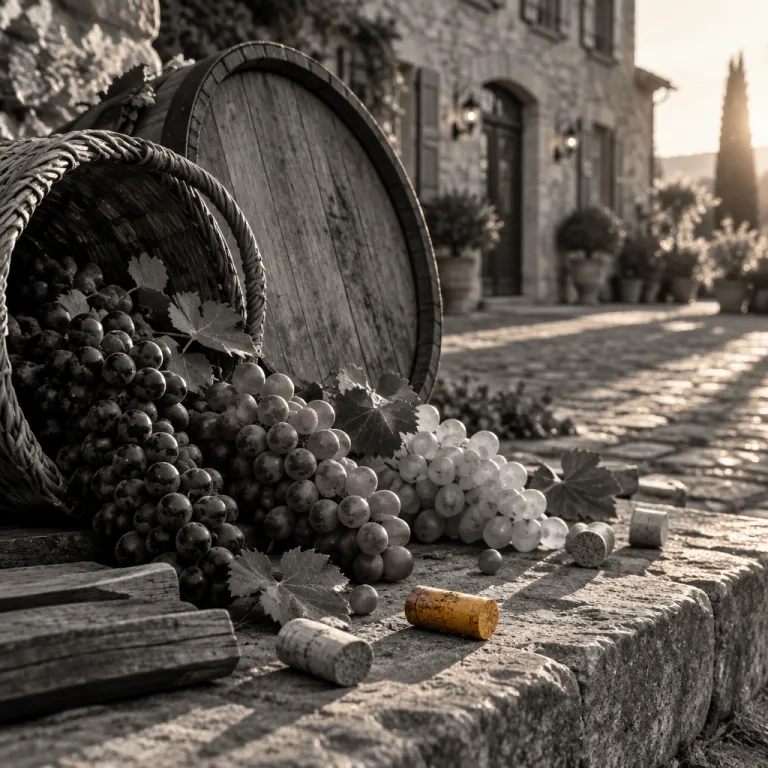
Bordeaux wine country hotels in France: grand châteaux and Atlantic light
Bordeaux is where many travelers first picture wine country hotels in France, with long drives lined by plane trees and pale stone façades. The region’s classic château hotel scene suits couples who want space, a serious wine cellar and polished luxury rather than village bustle. You wake to a soft Atlantic light, a quiet view of vineyards and the sense that the day will move at a slower rhythm.
Staying in a working wine estate around Saint Émilion or the Médoc gives you more than a pretty hotel ; it offers vineyard walks at dusk, cellar tours before public hours and often private wine tasting with the château’s own équipe. Many of the best wine country hotels in France here are former chartreuses or manor houses converted into intimate hotels with 20 to 40 rooms and suites, where each room feels different but service remains consistently high. When you check availability, look for clear mention that the property is an active estate, not just a country hotel with a vineyard view borrowed from the neighbor’s land.
Couples who prefer urban energy should consider a night or two in the city itself, then move to the vines. An elegant hotel in central Bordeaux gives you easy access to the Cité du Vin, the riverfront and a strong restaurant scene before you transfer to a château surrounded by vineyards for the rest of your stay. For a deeper comparison of staying in town versus among the vines, this guide to elegant Bordeaux hotels and serviced apartments is a useful complement when planning your booking strategy.
Facilities in Bordeaux wine hotels tend to be generous, with a swimming pool almost standard at the higher end and landscaped grounds that invite slow afternoon walks. Many estates now offer a spa, often in converted stone outbuildings, where treatments use grape seed oils and other vinotherapy products. When you check a hotel’s availability calendar, pay attention to harvest dates ; during the vendanges, rooms can sell out months ahead and some estates limit access to the pool or spa while the winery team works around the clock.
Food is a serious part of the experience in this corner of France, and the typical hotel restaurant leans toward refined bistro cooking with a strong regional accent. You might start the day with a generous breakfast of pastries, local yogurt and seasonal fruit before a tour of the vineyards, then return for a dinner built around the estate’s own wines. Several château hotels now host Michelin starred dining rooms, where the wine list naturally highlights the best wine from the surrounding appellations yet often includes thoughtful bottles from other French wine regions for contrast.
Burgundy wine country hotels in France: intimate estates and serious cellars
Burgundy feels different from Bordeaux the moment you arrive, and that contrast matters when choosing between wine country hotels in France. The landscape is more compact, the famous vineyards often lie just beyond the village church, and the mood suits couples who care as much about terroir nuance as about spa menus. Here, a hotel’s wine cellar can be as important as its pool, because the right bottle of Vosne Romanée or Meursault turns an ordinary night into a memory.
Many Burgundy wine hotels occupy historic townhouses or small châteaux in and around Beaune, Nuits Saint Georges and Puligny Montrachet. Rooms and suites are often carved out of old stone buildings, so no two room layouts are identical, but the best properties use this character to create a sense of place rather than inconvenience. When you check availability, look closely at room descriptions ; in Burgundy, a smaller room with a view over the vineyards can feel more special than a larger one facing the courtyard.
Staying in or near Beaune gives you easy access to the Hospices de Beaune, the Saturday market and a dense cluster of tasting rooms, while still allowing quick drives to the Côte de Nuits and Côte de Beaune vineyards. Couples who want to sleep close to the vines often choose a hotel in villages like Vosne Romanée or Gevrey Chambertin, where you can walk from your bed and breakfast style property straight into the rows at sunrise. For those planning a trip around the harvest, this guide to where to stay during the French wine harvest helps you understand how quickly hotels fill and how the vendanges change daily rhythms.
Food culture in Burgundy is famously rich, and many hotel restaurants here punch well above their weight. You will find everything from rustic table d’hôtes dinners in small hotels to Michelin starred dining rooms that attract serious gastronomes from across France and beyond. When reading menus, look for a wine list that ranges across the region’s villages and vintages rather than focusing only on a single estate ; this breadth signals a property that takes its role as a gateway to Burgundy seriously.
Facilities in Burgundy wine country hotels can be more restrained than in Bordeaux, with fewer large swimming pools but often charming gardens and intimate spas. Couples who value quiet evenings might prefer a stone walled lounge with a deep wine list over a resort style pool complex anyway. If a pool or spa is essential, check availability early for the higher end properties, because the most complete estates often have only a limited number of rooms and suites and sell out quickly during peak months.
Champagne wine country hotels in France: effervescence and easy access
Champagne offers one of the most accessible wine regions in France, which makes its wine country hotels in France especially appealing for short romantic breaks. The train from Paris to Reims or Épernay is quick, and within a few hours of landing you can be checked into a château style hotel with a flute in hand. This ease of access shapes the mood ; weekends here often feel celebratory, with couples marking anniversaries, engagements or simply the pleasure of being away together.
Most Champagne wine hotels cluster around Reims, Épernay and the Montagne de Reims villages, where grand houses and smaller growers share the same slopes. Some properties sit within town, offering elegant rooms above a courtyard and easy walks to major maisons, while others occupy former manor houses surrounded by vineyards on the hills. When you check availability, decide whether you want to prioritize a central location near cathedral and cellar tours or a quieter base with a wide open view over the vines.
One of Champagne’s strengths is the range of cellar experiences available from a single base. A hotel in Reims, for example, puts you within a short drive of both famous chalk cellars and smaller family producers, so you can balance big brand visits with more intimate tastings. For travelers who love the idea of sleeping in a historic property, this guide to renovated French châteaux turned into hotels offers useful context on what to expect from heritage buildings that now host guests.
Facilities in Champagne lean toward indulgence, with many higher end hotels offering a spa, indoor pool or at least a hot tub for post tasting relaxation. Breakfast often stretches late, with generous buffets and à la carte options that pair surprisingly well with a morning glass of Blanc de Blancs. When you check a hotel’s booking conditions, note whether spa access is included or timed ; some properties require advance reservations for treatments, especially on weekends.
Food ranges from relaxed brasseries to Michelin starred hotel restaurants that build entire tasting menus around Champagne pairings. A strong wine list here should highlight not only the grandes marques but also grower Champagnes from villages like Avize, Bouzy and Verzenay, giving you a sense of the region’s diversity. If you plan to dine on site more than one night, choose a hotel where the restaurant and cellar are clearly central to the identity rather than an afterthought to the rooms.
Beyond the big three: Rhône, Provence and quieter wine regions
While Bordeaux, Burgundy and Champagne dominate conversations about wine country hotels in France, couples who prefer quieter roads should look to the Rhône Valley and Provence. These regions offer a softer, often sunnier mood, where the line between wine estate and countryside retreat blurs in the best possible way. You trade grand château formality for olive trees, cicadas and long afternoons by the pool.
In northern Rhône appellations like Côte Rôtie and Hermitage, hotel options remain limited but atmospheric, often small properties with a handful of rooms and suites overlooking steep vineyards. Farther south, around Châteauneuf du Pape and Gigondas, you will find more established wine hotels, some attached to estates and others acting as comfortable bases for exploring multiple villages. When you check availability in these areas, be flexible with dates ; the best addresses can be small, and a single group booking may block an entire night.
Provence adds another layer, especially around Aix en Provence and the Luberon, where rosé estates share the landscape with olive groves and lavender fields. Here, a wine hotel might feel closer to a country house, with a swimming pool framed by cypress trees and a spa offering treatments scented with local herbs rather than grape seeds. Couples who split their time between Aix Provence and the nearby vineyards can enjoy both city cafés and quiet evenings on a terrace surrounded by vineyards.
Less famous French wine regions such as the Loire, Alsace and Jura also reward travelers who value authenticity over spectacle. Hotels here may be simpler in style but often compensate with personal service, generous breakfast spreads and easy access to family run cellars. For many couples, a night in a modest bed and breakfast on a working wine estate in these regions feels more intimate than a grand luxury property elsewhere in France.
When comparing these quieter regions to the big three, think about how you like to structure your days. If you want to mix wine tasting with hiking, river walks or even quick drives to the French Riviera, the southern Rhône and Provence make strong candidates. If your priority is tasting rare bottles and exploring lesser known wine styles, the Loire and Jura may offer the best wine experiences per day, even if the hotel choice is narrower.
How to read wine hotel credentials: from working estates to vineyard views
Choosing between wine country hotels in France is easier when you know how to read between the lines of a property description. The first distinction to make is between a true working wine estate that happens to host guests and a hotel that simply enjoys a vineyard view. Both can be wonderful, but they deliver very different experiences for couples planning a romantic stay.
A working estate hotel will usually mention its own vines, cellar and winemaking team clearly, often with details about grape varieties and appellations. You should see references to on site wine tasting, tours of the wine cellar and sometimes harvest activities, especially if you plan to sleep through the vendanges. When you check availability, note whether tastings are included in the room rate or must be booked separately ; this affects both budget and how you structure your days.
Hotels that simply overlook vineyards can still feel magical, particularly if they offer a strong restaurant and thoughtful wine list that draws from multiple estates. These properties often excel in classic hospitality elements such as spacious rooms, a generous breakfast and a well maintained pool or spa, even if they do not produce wine themselves. For some couples, this separation between accommodation and production makes the stay more relaxing, because you are not sharing the property with tractors and harvest teams at dawn.
Room descriptions deserve careful attention, especially in historic châteaux and manor houses where layouts vary. Look for clear information about room size, bed type, view and whether the bathroom has a shower, a bath or both, because these details shape comfort during a multi night stay. If you care about waking up to a view of vineyards rather than a courtyard, say so when you complete your booking and check availability for specific categories rather than only the general room type.
Facilities also signal how a hotel positions itself within the spectrum of wine country hotels in France. A property that highlights its spa, swimming pool and Michelin starred restaurant is aiming squarely at the luxury traveler, while a simpler bed and breakfast on a wine estate may focus on authenticity and access to the vines. Neither is inherently better ; the right choice depends on whether you picture your evenings in a tasting room, by the pool or at a long dinner with a deep wine list.
Matching French wine regions to your travel style
Once you understand the character of each region, the final step is matching wine country hotels in France to your own travel style. Couples who want grand architecture, extensive facilities and a sense of occasion often gravitate toward Bordeaux or Champagne, where château hotels and polished service come naturally. Travelers who care most about terroir nuance and intimate cellars usually feel more at home in Burgundy or the Loire.
If you are planning a first trip focused on wine, Bordeaux offers a clear structure with well signposted routes through the Médoc, Saint Émilion and Graves. The hotels here tend to be larger, with more rooms and suites, which can make last minute availability slightly easier outside harvest and major events. Champagne is ideal for shorter breaks, because you can arrive from Paris quickly, check into your hotel and still fit in a cellar visit and a relaxed dinner on the first night.
For repeat visitors to France, French wine regions like the Rhône, Provence and Alsace reward slower, more exploratory trips. You might split a week between a hotel near Aix Provence and a quieter estate deeper in the Luberon, balancing city cafés with evenings on a terrace surrounded by vineyards. Couples who enjoy combining wine with coastal time can even pair a few nights inland with a short stay on the French Riviera, using Nice or Cannes as a bright counterpoint to the calm of the vines.
Seasonality matters as much as geography when choosing your base. Spring and early autumn generally offer the best balance of comfortable temperatures, open pools and manageable crowds, while high summer can bring heat that makes afternoon tastings less appealing. Harvest season is magical but busy, so if you want to watch grapes arrive at the winery yet still secure your preferred room, you must check availability and complete your booking several months in advance.
Whatever region you choose, focus on how each hotel integrates wine into daily life rather than chasing labels like boutique or luxury alone. A modest property with a passionate sommelier, a thoughtful breakfast and access to the best wine producers nearby can feel more memorable than a grand château that treats the cellar as decoration. In the end, the right wine country hotel in France French wine regions is the one where the room, the glass and the landscape all speak the same quiet, satisfying language.
Key figures about French wine tourism and hotels
- According to Atout France, French wine tourism welcomes more than 10 million visitors annually, making wine regions one of the country’s most visited rural destinations.
- Data from the Comité National du Tourisme Vitivinicole indicate that roughly 60 % of wine tourists in France stay at least one night in a hotel or guesthouse within a vineyard area.
- Regional tourism boards report that average hotel occupancy in major wine regions such as Bordeaux and Champagne can exceed 80 % during harvest months, compared with around 60 % in shoulder seasons.
- Studies from the Bourgogne Franche Comté tourism office show that wine travelers typically spend 20 to 30 % more per night on accommodation than general leisure visitors in the same areas.
- Surveys by Inter Rhône suggest that more than half of international visitors to Rhône Valley vineyards now prioritize properties with on site or nearby wine tasting facilities when choosing their hotel.
FAQ about wine country hotels in France
Which French wine region is best for a first wine hotel stay ?
Bordeaux is often the easiest starting point, because the region has a wide range of wine hotels, clear touring routes and many English speaking guides. Champagne is another strong option for a short break, thanks to fast train connections from Paris and compact distances between major cellars. Both regions offer enough variety in hotels and restaurants to suit different budgets while still delivering a strong sense of place.
How far in advance should I book wine country hotels during harvest ?
For popular regions such as Bordeaux, Burgundy and Champagne, aim to book at least three to six months before your planned harvest dates. Many château style hotels and small bed and breakfast properties have limited rooms and fill quickly once wineries confirm their vendanges schedule. If your dates are fixed, check availability as early as possible and be flexible about room categories.
Do I need a car to enjoy wine hotels in France ?
A car gives you the most freedom, especially in rural areas where public transport is limited and vineyards are spread out. Some regions, such as Champagne and parts of Burgundy, can be explored with a mix of trains, taxis and organized tours if you prefer not to drive. When choosing a hotel, check whether they can arrange transfers to nearby estates or recommend reliable local drivers.
What facilities should I expect from a luxury wine hotel ?
At the higher end, many wine country hotels in France offer spacious rooms, a good restaurant, a strong wine list and often a spa or swimming pool. Some properties add extras such as guided vineyard walks, private tastings in the wine cellar or curated experiences with local producers. Always read detailed descriptions and reviews rather than relying only on star ratings, because facilities vary widely between historic châteaux and newer builds.
Are wine hotels suitable for non experts or first time tasters ?
Most wine hotels in France welcome guests with all levels of knowledge, and many design tastings specifically for beginners. Staff at these properties are used to explaining basics such as grape varieties, appellations and tasting techniques in clear, approachable language. If you are new to wine, mention this when you book so the hotel can suggest experiences that feel relaxed rather than intimidating.