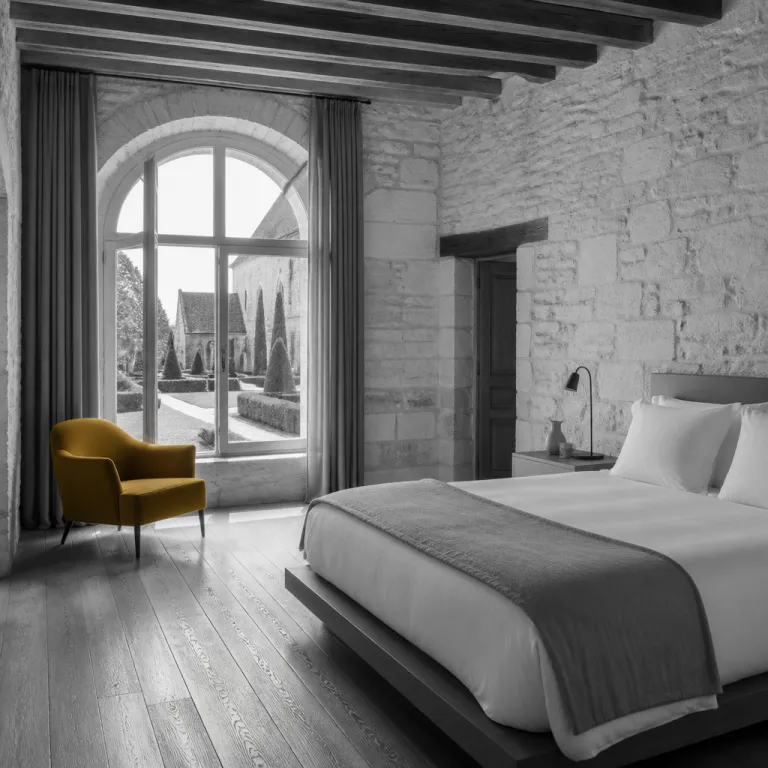
From fortress to guest room: what defines a living château hotel
Choosing a chateau hotel in France is less about a themed escape and more about how convincingly history shares the stage with your comfort. A thoughtful hotel chateau lets you sleep in a castle with thick walls and original beams while still giving you a quiet room, strong shower pressure and reliable Wi‑Fi that match the best urban hotels. When you compare castle hotels, look beyond the photos and ask how the renovation treats the building as a living host rather than a fragile museum piece.
Across châteaux France, owners face a spectrum of renovation philosophies that directly shape your stay. Some chateaux hotels pursue near faithful restoration, keeping small hotel rooms, creaking floors and stone staircases, while others carve generous rooms suites into former attics and stables to create more contemporary hotel rooms. Hybrid projects are often the most successful castle hotel experiences, where a historic rooms chateau wing is balanced by a discreet modern extension with a spa, swimming pool and larger family friendly spaces.
Regulation quietly guides much of what you feel when you stay in a chateau. Any listed century château must work with an Architecte des Bâtiments de France, and DRAC rules can dictate window openings, façade colours and even where a pool or tennis courts may sit in the beautiful gardens. Those constraints raise the minimum renovation cost but they also protect the castle silhouette you see at night, the stone staircase you climb to your room and the proportions that make these hotels castle experiences feel unmistakably French.
How constraints shape your room, your breakfast and your bill
When you check prices for a chateau hotel in France, you are paying for more than a romantic castle backdrop. Heritage renovations typically cost thirty to fifty percent more than building new hotels, because every extra centimetre of insulation, every hidden cable and each restored beam must respect the original château structure. That higher price per night is why you often see fewer rooms, more generous public spaces and a focus on fine dining or spa revenue to balance the books.
Inside your room, those constraints become tangible details that either charm or frustrate. Ceiling heights may soar in one part of the castle then drop unexpectedly in another, and some hotel rooms keep slightly uneven floors or deep stone window seats because altering them would break heritage rules. Bathrooms can be cleverly tucked into former turrets or alcoves, but in some chateaux hotels you will still find compact rooms suites where the designer chose authenticity over sprawling square metres.
Public areas follow the same logic, especially around the restaurant and breakfast spaces. A grand salle à manger might host breakfast beneath chandeliers while a former carriage house becomes a more relaxed restaurant for casual dining at night, and both must work around load bearing walls that cannot move. When you compare heritage hotels to contemporary properties for a weeklong base to explore France, a purpose built hotel may offer more uniform rooms and lower prices, while a château stay trades that predictability for character and a richer sense of place ; this is where guides to where to base yourself for exploring France by hotel become especially useful.
Sleeping among beams and vineyards: case studies from Beaujolais to the Loire Valley
Some properties illustrate how a chateau hotel in France can turn history into a textured, modern stay. At Château de Bagnols in Beaujolais, a fortified castle has been transformed into a luxury hotel where thick ramparts shelter a quiet courtyard and a swimming pool framed by beautiful gardens. Here, rooms chateau are carved from former noble apartments, so each room feels different, and the sense of sleeping inside a living fortress is unmistakable even as you enjoy a generous breakfast and polished service.
Further north, the Domaine de Chantilly shows how a castle hotel can double as a cultural destination. The château’s museum wings hold major art collections while the hotel side offers refined hotel rooms, formal gardens and access to equestrian shows, and this dual identity turns a simple stay into a layered cultural weekend. Guests move from their rooms suites to the restaurant for fine dining, then out into the parkland, experiencing chateaux France as both heritage and hospitality rather than a static postcard.
The Loire Valley remains the reference point for many travellers planning castle hotels. Here, a mix of relais châteaux addresses and independent hotel chateau conversions line the river, and each property balances river views, swimming pool access and proximity to headline castles like Chenonceau or Amboise. If you are planning to book stay options among these hotels castle, a dedicated guide to Loire Valley château stays helps you compare room types, reviews and prices while understanding which estates feel most alive beyond their façades.
From wine cellars to tennis courts: when past lives enrich your stay
The most compelling chateau hotel experiences lean into the building’s former life rather than smoothing it away. A wine château such as Château de Berne in Provence turns its agricultural past into a narrative thread, where guests sleep in rooms overlooking vineyards, taste estate wines in the restaurant and wander beautiful gardens that once served purely practical purposes. Here, the swimming pool, spa and tennis courts are layered onto an existing rural landscape, so your stay feels anchored in terroir rather than imposed on it.
Industrial or service spaces often become the most atmospheric corners of these hotels. Old wine cellars can evolve into vaulted spa areas or intimate fine dining rooms, while former stables transform into family friendly suites with high ceilings and exposed stone, and this adaptive reuse keeps the castle’s working history visible. Les Sources de Vougeot, for instance, has turned a fourteenth century wine cellar at Château de Gilly into a Caudalie spa, proving how a carefully handled conversion can respect heritage while adding contemporary pleasure.
Guests feel these stories in small, daily rituals rather than grand gestures. You might swim in a discreet swimming pool set where a moat once circled the castle, or cross a courtyard that previously hosted harvest wagons on your way to breakfast. When you browse booking pages, look for hotels castle that explain how they reused barns, cellars or farm buildings, because those details usually signal a renovation that treats the château as a living estate rather than a decorative shell.
How to choose between a renovated château and a modern luxury hotel
For a solo explorer planning a chateau hotel in France, the first decision is how much unpredictability you welcome. A purpose built luxury hotel offers consistent room layouts, clear categories of hotel rooms and often sharper entry level prices per night, especially in cities. A château stay, by contrast, trades that uniformity for singular rooms chateau, thicker walls, sometimes fewer sockets and a stronger sense that you are sleeping inside a story rather than beside it.
Start by clarifying your priorities before you book stay dates. If you need absolute accessibility, large elevators and identical rooms suites, a modern hotel may suit you better than a multi level castle with narrow staircases and uneven corridors. If you value atmosphere, beautiful gardens, a characterful restaurant and the quiet of a stone walled room, then a hotel chateau or relais châteaux address will likely justify its higher price, especially for short stays of a minimum two or three nights.
Practical filters help refine your booking shortlist without killing the romance. Check whether the property has a heated swimming pool or indoor swimming area if you plan to swim outside summer, and confirm whether tennis courts, spa access or parking are included in the room price. Read reviews with a critical eye, paying attention to comments about noise, breakfast quality and service consistency, and remember the expert guidance that “Why are French châteaux converted into hotels? To preserve heritage and attract tourists. What amenities do château hotels offer? Modern comforts in historic settings. Are château hotels expensive? Prices vary; some are luxury, others more affordable.” ; then use curated regional guides, such as where to stay in Provence, to match specific hotels to the kind of cultural and landscape experiences you want.
FAQ
Are château hotels in France always more expensive than modern hotels ?
Renovated château hotels often have higher prices because heritage restoration costs significantly more than new construction. That said, price levels vary widely between regions, and some smaller castle hotels offer competitive rates compared with urban luxury hotels. Checking several nights across different dates and reading recent reviews will give you a realistic sense of value.
What should I look for in photos when choosing a château stay ?
Focus on photos of the room and bathroom rather than only the façade or swimming pool. Images of corridors, staircases and breakfast rooms reveal how carefully the renovation handled historic details and circulation. Exterior shots of beautiful gardens, tennis courts or the loire valley landscape help you understand how the castle sits within its surroundings.
Are château hotels suitable for families or solo travellers ?
Many château hotels are genuinely family friendly, with larger rooms suites, extra beds and outdoor space for children to play. Solo travellers often appreciate the intimate scale of these hotels castle, where staff quickly learn preferences and the restaurant feels comfortable for dining alone. Always check room descriptions and minimum stay rules before booking, especially during peak seasons.
Do all château hotels have a swimming pool and spa ?
Not every chateau hotel in France includes a swimming pool or spa, because heritage rules and structural limits can restrict new construction. Properties that do offer a swimming pool, wellness area or tennis courts usually highlight them clearly in their booking information. If swimming is essential to your stay, filter for hotels with these facilities and confirm whether access is included in the room price.
How far in advance should I book a château hotel in popular regions ?
In high demand areas such as the loire valley or Provence, it is wise to secure your room several months ahead, especially for weekends. Smaller chateaux hotels with fewer hotel rooms can fill quickly when reviews are strong and prices are attractive. Early booking also gives you more choice of room categories, from compact rooms chateau to larger suites with castle views.