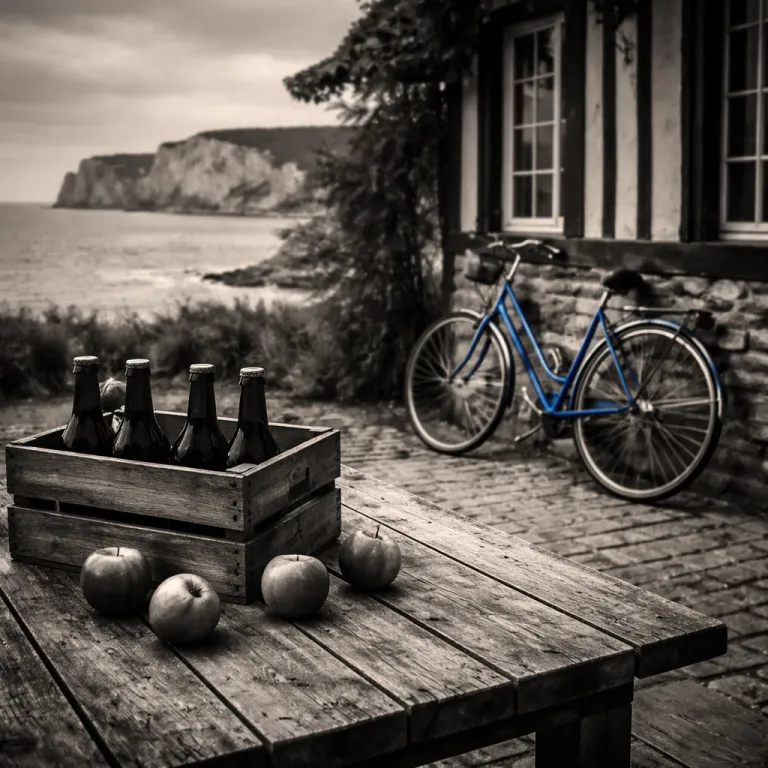
Why late spring is the quiet luxury moment for Normandy travel
Late spring is the best time for Normandy travel if you want light, space, and room to breathe. Average daytime temperatures hover around 12 °C in April and May according to Météo‑France, orchards are frothing with blossom, and the coastal haze that softens every day on the Channel feels made for slow family walks. This is when a trip from Paris to Normandy gives you Atlantic character without Riviera prices, and you can still find calm beaches that feel almost private.
The Normandy Tourism Board notes that blossom festivals, garden tours, and cultural events run from March to May, and that these seasonal celebrations anchor the region’s spring program. Signature events include the Printemps des Jardins garden openings and apple‑blossom weekends in the Pays d’Auge, typically scheduled from late March to mid‑May. Those festivals and guided visits are spread across the region, so you can explore in a series of half‑day excursions from a single base or design longer tours that link coast, countryside, and the great landing beaches. For families planning a Normandy itinerary, this timing means shorter queues at major sites like the D‑Day locations near Omaha Beach and more time to linger over seafood lunches.
Spring also aligns with the Monet centenary buzz around 2026, marking 100 years since Claude Monet’s death on 5 December 1926 and pushing many travelers to look again at Normandy as a serious cultural and gastronomic destination. Regional museums have already announced multi‑year programs leading up to 2026, and Giverny’s Fondation Monet usually opens from early April to 1 November each year, making late spring ideal for a combined Paris–Normandy art circuit. Monet’s legacy is felt not only in Giverny but in the way you read the light over every village harbor and over each bay near Mont Saint‑Michel. When you plan a Paris–Normandy escape in May or early June, you secure the best time to enjoy both the region’s art story and its food scene before the main summer wave arrives.
Coastal stays from Deauville to Étretat for families who like style
Normandy coastal travel in spring works best when you match each resort to your family’s rhythm. Deauville is polished and horsey, with grand hotels, a wide boardwalk, and easy beaches that suit strollers and grandparents as much as teenagers. Family‑friendly addresses here include beachfront properties with kids’ clubs and heated pools, where double rooms in May often start around €220–€260 per night. Honfleur feels more intimate, its old harbor ringed with tall houses and creperies, while Étretat offers drama, cliffs, and coastal paths that reward a half‑day hike before a long lunch at a simple seafood brasserie overlooking the arches.
For a Paris–Normandy long weekend, many families split their trip between Deauville and Honfleur, using a rental car to move easily between the main sites and smaller villages like Villerville or Trouville‑sur‑Mer. Direct trains from Paris‑Saint‑Lazare to Deauville–Trouville take about 2 hours according to SNCF timetables, and advance one‑way fares in spring often range from €20 to €45 per adult in second class. The drive from Paris usually takes around 2 hours 30 via the A13, with tolls of roughly €15–€20 each way depending on your exit. You will find that accommodations range from discreet seaside mansions to contemporary properties with family suites, and the best Normandy addresses book up quickly for late May, so reserve several months ahead if you want specific room types or sea views.
Families interested in history often combine coastal stays with a day tour to the landing beaches, including Omaha Beach and Utah Beach, which are about a 2‑hour drive from Deauville. Many Normandy tour companies based in Bayeux and Caen offer private drivers and guides who keep younger travelers engaged with clear storytelling and well‑chosen stops at museums and open‑air sites; full‑day private tours typically cost from €450 to €700 per vehicle for up to six people. When you visit Normandy in late spring, the weather is mild enough for long walks on the sand, yet cool enough that a full day exploring the D‑Day beaches never feels oppressive.
Cider route, cheese tables, and pastoral hotels between Bayeux and the Pays d’Auge
Move inland during your Normandy spring journey and the mood shifts from maritime to pastoral, with orchards, half‑timbered farms, and quiet lanes that feel made for a slow road trip. The Route du Cidre in the Pays d’Auge is one of France’s most photogenic drives, looping through villages where producers open their cellars for tastings of cider and Calvados. The official circuit is about 40 km long and signposted from Cambremer, and most estates welcome visitors from April to October, usually charging €3–€8 per tasting. Spring is the best time to see the orchards in bloom, and many families plan a half‑day here between a morning in Bayeux and an evening back on the coast.
Bayeux itself makes an excellent base for a Normandy trip that mixes culture and countryside, thanks to its famous tapestry, its cathedral, and its easy access to the landing beaches and other day sites. The Bayeux Tapestry Museum generally opens daily from February to December, with adult tickets around €12 and reduced rates for children and families. From here, you can visit Normandy cheese country around Camembert and Livarot, where artisanal producers welcome visitors year‑round and explain why their cream, butter, and cheeses define the region’s gastronomy. These visits pair naturally with stops at cider estates, and some of the best rural accommodations in Normandy sit on working farms where children can meet animals before parents settle into a long dinner built around seafood, cream sauces, and apple‑based desserts.
Families who love combining coast and countryside often compare this region with other French coastal escapes, such as refined coastal and mountain retreats in Corsica, then choose Normandy for its softer landscapes and shorter drives. A rental car is essential here, because the most atmospheric hotels and guesthouses sit outside major towns, down narrow lanes that public transport does not reach. Expect to pay from about €60 per day for a compact car in late spring, with slightly higher prices during holiday weekends. When you plan your visit around May, you avoid the heaviest traffic, making each day tour along the cider route or to nearby sites like Bayeux feel relaxed rather than rushed.
Four day family itinerary: from Paris to Mont Saint Michel and back
For a focused Normandy spring travel itinerary, four days give enough time to balance coast, countryside, and culture without exhausting younger travelers. Start your trip in Paris, then take a morning train to Bayeux or Caen, where you can pick up a rental car and begin your Paris–Normandy loop. Trains from Paris‑Saint‑Lazare to Caen take about 2 hours according to SNCF, and advance one‑way tickets in spring often cost between €18 and €40 per adult. The onward drive to Bayeux is roughly 30 minutes along the N13, which keeps overall travel time manageable and lets you reserve your energy for the key sites, meals, and experiences that will define the trip.
Day one works well as a Bayeux and D‑Day beaches immersion, with a guided tour that covers Omaha Beach and nearby landing areas, plus a quieter stop at a small village cemetery or museum. Plan to arrive in Bayeux by late morning, check into your hotel, then join a 13:00 or 14:00 small‑group tour; shared excursions usually cost from €110 to €150 per adult, with discounts for teenagers. Day two can focus on the Route du Cidre and cheese country, with a half‑day of tastings and farm visits before returning to a country hotel for dinner built around local cream, seafood, and seasonal vegetables. On day three, drive towards the bay of Mont Saint‑Michel, stopping at coastal towns like Granville or at lesser‑known sur‑Mer villages, then arrive in time to visit the abbey in the late afternoon when the light is soft and the crowds thin.
Mont Saint‑Michel and the wider bay deserve unhurried time, so consider staying nearby and walking the causeway early the next day, when the tide and light change the mood every hour. The abbey is usually open daily, with last entry in late afternoon and adult tickets around €11; shuttle buses from the parking area are free and run every few minutes. This is also the moment to reflect on how Claude Monet and other painters saw this coast, and why their work still shapes how we frame each view in France today. On your final day, you can either return directly to Paris or extend the road trip south towards the Loire Valley or west along the coast, knowing that visiting at this time of year has given you space, flavor, and a sense of place that high summer rarely matches.
Travelers who enjoy weaving wine into their itineraries sometimes add a detour later in the same France trip, using guidance on a storied Médoc property such as Cordeillan‑Bages in Bordeaux’s wine country. While that lies far from Normandy, the contrast between Atlantic cider country and grand cru vineyards helps families understand the diversity of French terroirs. Whether you end your journey back in Paris or continue towards the Loire Valley, the combination of Mont Saint‑Michel, Bayeux, and the coastal sur‑Mer towns will anchor your memories of this particular road trip.
FAQ
Is spring a good time to visit Normandy with children ?
Yes, spring is an excellent time to visit Normandy for families, because the weather is mild, the landscapes are in bloom, and the main sites are less crowded than in summer. The average spring temperature of around 12 °C is comfortable for walking tours, half‑day beach outings, and open‑air visits to gardens or farms. Many spring festivals and garden openings also add low‑key entertainment that works well for different ages, and ticketed events usually publish dates and prices on local tourism office calendars from January onwards.
How many days do I need for a Paris to Normandy trip ?
A four‑day Paris to Normandy trip is a practical minimum if you want to include Bayeux, the D‑Day landing beaches, and Mont Saint‑Michel without rushing. With five or six days, you can add more time on the coast near Deauville or Honfleur and include a full day on the cider route in the Pays d’Auge. Shorter one‑day tours from Paris are possible, but they offer only a brief taste of the region and often involve 6–8 hours of total travel time by coach or train.
Do I need a car for Normandy travel in spring ?
A rental car is strongly recommended for Normandy travel in spring, especially if you plan to stay in rural accommodations or explore the Route du Cidre and smaller sur‑Mer villages. Trains connect Paris to major hubs like Caen and Bayeux, but public transport between villages and key countryside sites is limited and timetables can be sparse on Sundays or public holidays. With a car, you control your visit time at each stop and can easily combine coastal and inland experiences in a single day.
What should I pack for a spring trip to Normandy ?
Pack layered clothing, a waterproof jacket, and comfortable walking shoes, because spring weather in Normandy can shift from sunshine to showers within the same day. A light sweater or fleece is useful for cool evenings on the coast or early morning visits to Mont Saint‑Michel. An umbrella, a small day bag, and a power bank for phones and cameras will also make day tours and road‑trip stops smoother, and a compact picnic kit is handy for impromptu lunches in orchards or on quieter beaches.
Which areas are best for first time visitors to Normandy ?
For a first Normandy trip, focus on a triangle linking Bayeux, the Côte Fleurie around Deauville and Honfleur, and the bay of Mont Saint‑Michel. This combination delivers history at the landing beaches, elegant coastal resorts, and one of France’s most iconic religious sites in a single itinerary. If you have extra time, add a half‑day on the Route du Cidre or extend the road trip towards the Loire Valley for a broader view of western France, using regional train lines or a rental car to keep transfers straightforward.