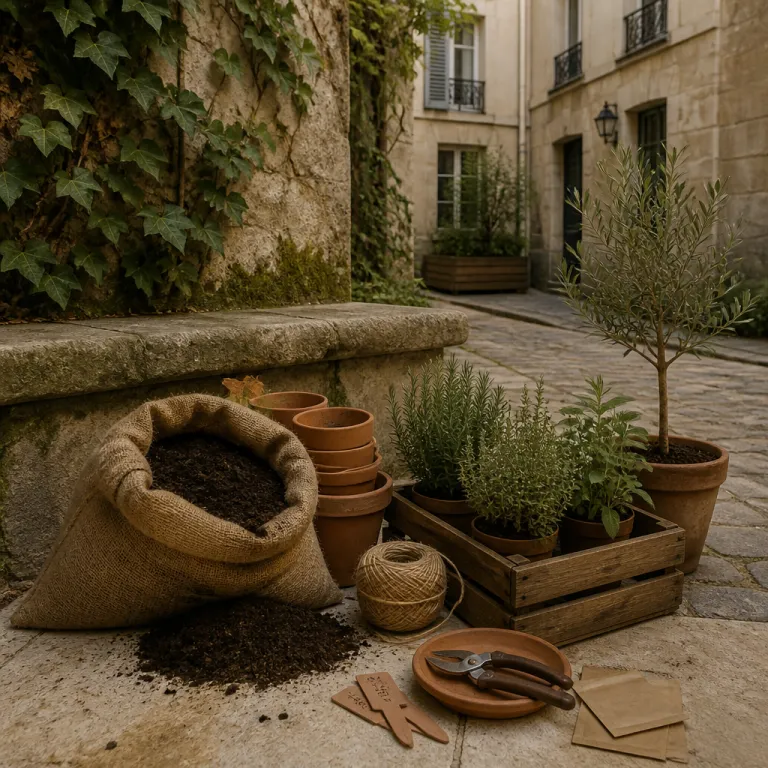
What defines an urban retreat Paris hotel today
The most compelling urban retreat Paris hotel feels like a private residence wrapped in five star service. Behind classic Haussmann façades, these hotels create quiet worlds where the city’s energy softens and time stretches. You still stay in central Paris, yet the atmosphere leans more towards a countryside retreat than a conventional business address.
Unlike many popular business hotels in Paris, a true urban retreat is built around silence, greenery and restorative rituals. You might arrive from long haul travel via Singapore or New York, step through a discreet entrance and find yourself in a courtyard scented with jasmine, far from the traffic near the Opéra house. The best hotels balance this calm with immediate access to major attractions, so you can walk to the Louvre Museum or the Seine River in minutes, then return to a sanctuary that feels almost rural.
Architecture does much of the work. Inner gardens, planted patios and soundproofed suites turn an urban hotel into a layered retreat, where you move from lively streets to hushed corridors and finally to a room with deep armchairs and efficient air conditioning. In this kind of Paris urban hideaway, room service is not an afterthought but an extension of the spa philosophy, with light dishes and serious restaurant level cooking available late into the night. For many guests, especially executives extending a work stay, that combination of quiet, comfort and culinary precision is the new definition of luxury.
The architecture of quiet in central Paris
Step into the right urban retreat Paris hotel and you immediately feel the architecture lowering the volume. A central courtyard garden, often invisible from the street, becomes the heart of the stay, with trees, clipped hedges and sometimes a small fountain masking the city’s soundtrack. These spaces are not decorative ; they are working tools that allow a Paris hotel to rival a rural château for genuine rest.
Many of the top urban retreats in Paris use U shaped buildings to shield guests from noise while framing stunning views of greenery or slate rooftops. Suites face inward towards planted patios rather than busy boulevards, so you wake to birds and distant bells from Notre Dame or another nearby dame cathedral instead of scooters. When you do want the drama of the Eiffel Tower or Place Concorde, you reach them with a short walk or a few stops on the métro station network, then retreat again to your quiet base.
This architecture of calm particularly suits couples on a two night reset or executives stretching a business trip into a long weekend. They can hold meetings near the Opéra house, then return to a room where double glazing, heavy curtains and thoughtful lighting create a cocoon that feels far from any corporate hotel. For those planning a romantic escape, our dedicated guide to luxury hotels in France that truly earn the splurge explains how to read floor plans, courtyard layouts and garden orientations before you book.
Neighbourhood as amenity : choosing the right Paris urban base
In the search for an urban retreat Paris hotel, the arrondissement matters as much as the room category. A perfect location for a restorative stay is rarely the noisiest corner near the most photographed attractions, even if the Eiffel Tower or the Louvre Museum remain essential parts of your itinerary. Calm streets, residential squares and proximity to the Seine River often deliver more everyday luxury than a trophy address.
The Marais district, for example, offers a compelling balance of heritage, galleries and small restaurants, yet many side streets remain surprisingly quiet after dark. Staying in a hotel or serviced apartment here means you can reach popular sites like Notre Dame with a short walk, then slip back into a neighbourhood where locals still shop for bread and flowers. Several refined Paris hotels in this area now offer inner courtyards or rooftop terraces, giving you both urban energy and private outdoor space.
Elsewhere, areas around Place Concorde and the Opéra house provide fast access to business districts while still hiding tranquil retreats in side streets. When comparing hotels, read recent reviews carefully for mentions of noise, courtyard access and whether pets allowed policies might affect the atmosphere you prefer. For more ideas on balancing location with serenity, our guide to elegant Paris hotels with private balconies shows how a small terrace or rooftop terrace can transform even a short stay into something that feels genuinely restorative.
Inside the rooms : from spa level comfort to discreet practicality
Once you close the door of an urban retreat Paris hotel room, the details decide whether the space truly functions as a sanctuary. High quality air conditioning, deep mattresses and blackout curtains are non negotiable for a guest who has crossed time zones for both business and leisure. Many of the best hotels now design suites that feel closer to a refined apartment, with separate living areas and generous desks for those who need to work before dinner.
Some urban retreats in Paris include compact kitchen corners with elegant kitchen utensils and a small cookware kitchen set, especially in longer stay suites. This does not turn the property into a self catering apartment hotel, but it does allow you to prepare tea, a simple breakfast or a late night snack after returning from a restaurant. Executives extending a work trip often appreciate this flexibility, as it lets them alternate between room service, in house restaurants and the city’s global dining scene without feeling constrained.
Wellness extends beyond the spa. Thoughtful room layouts create quiet reading corners, while large windows frame either courtyard greenery or distant rooftop views that remind you of the urban context without overwhelming the senses. Some properties near the Seine River or the Marais district offer partial views towards landmarks like Notre Dame or the Eiffel Tower, yet the real luxury lies in how effectively the room shields you from noise. When pets are allowed, the best hotels manage this discreetly, ensuring that four legged guests do not disturb the calm other travellers seek.
Spa rituals, dining and the new Paris retreat lifestyle
The spa is where an urban retreat Paris hotel proves whether it truly competes with a countryside hideaway. You want a wellness space you would cross the city for, not a token sauna beside the gym. Look for hydrotherapy pools, serious treatment menus and relaxation areas that open onto a courtyard or rooftop terrace, so you always feel connected to the Paris urban skyline or garden canopy.
Dining completes the picture. Many of the top Paris hotels now host restaurants that could stand alone in the city’s competitive scene, serving seasonal menus that reference both French terroir and global influences from cities such as Singapore. A strong in house restaurant means you can enjoy a long dinner without leaving the retreat, then step directly to your room or suite, where room service continues the same standard for a late snack or early breakfast.
Neighbourhood options matter too. Being within a short walk of thoughtful restaurants, cafés and wine bars allows you to alternate between the hotel restaurant and the wider city, depending on your energy after a day at the Louvre Museum or meetings near the Opéra house. For travellers who split their time between Paris and the coast, our feature on seaside elegance at luxury resorts on the French Riviera shows how an urban retreat can pair beautifully with a few days by the Mediterranean. Together, they create a rhythm of city intensity and coastal calm that defines the modern French grand tour.
How to choose your perfect urban retreat for a long weekend
Selecting the right urban retreat Paris hotel starts with clarifying how you want to feel, not just which attractions you plan to tick off. If your priority is a reset after demanding work, focus on properties with serious spas, inner gardens and consistently strong reviews mentioning quiet rooms. When you care more about being steps from the Louvre Museum, Place Concorde or a key métro station, you may accept a little more city buzz in exchange for that perfect location.
For business leisure travellers, a balanced itinerary often works best. Spend mornings exploring popular sites along the Seine River, from Notre Dame to the Opéra house, then retreat to the hotel for a spa session or a nap before dinner. In the evening, choose between the in house restaurant, a nearby bistro in the Marais district or a more experimental table that reflects Paris’s global culinary connections, including influences from cities such as Singapore and beyond.
Practicalities still matter. Check whether pets are allowed if you plan to travel with a companion animal, and confirm details such as late check out, room service hours and whether suites offer apartment style layouts for longer stays. Some high end brands, including the Waldorf Astoria group outside central Paris, show how resort style facilities can translate to an urban context, with large spas and generous gardens. When you find a property that combines these elements with a courtyard that genuinely does the work of the countryside, you have found your Paris sanctuary.
FAQ
What makes an urban retreat Paris hotel different from a standard business hotel ?
An urban retreat Paris hotel prioritises silence, greenery and restorative spaces over meeting room capacity. You can still work efficiently, but the architecture, spa and courtyard gardens are designed to help you decompress after a day near the Opéra house or the Louvre Museum. In a standard business hotel, the focus usually remains on conference facilities and transit convenience rather than deep rest.
Which Paris neighbourhoods are best for a quiet yet central stay ?
Calmer parts of the Marais district, residential streets near Place Concorde and certain pockets along the Seine River offer a strong balance of serenity and access. From these areas, you can reach major attractions such as Notre Dame or the Eiffel Tower with a short walk or a few métro station stops. Yet when you return to your hotel, the streets feel more residential than touristic, which supports the retreat feeling.
How important is a spa when choosing a Paris urban retreat ?
A serious spa is often the defining feature of an effective urban retreat, especially for business leisure travellers. Look for hydrotherapy facilities, expert therapists and relaxation areas that connect to a courtyard or rooftop terrace, rather than a small basement room. When the spa feels like a destination in itself, your Paris stay can rival a countryside wellness break.
Are pets allowed in most luxury urban retreats in Paris ?
Many high end Paris hotels do allow pets, but policies vary widely. Always check weight limits, fees and whether pets can access courtyards or only stay in rooms, especially if you plan a longer stay. If you are sensitive to noise, read recent reviews to ensure that pet friendly policies are managed discreetly.
Is a serviced apartment a good alternative to a hotel for an urban retreat ?
A serviced apartment with hotel style services can work well for longer stays or for travellers who value kitchen utensils and a small cookware kitchen area. You gain more space and flexibility, especially if you are combining work and leisure in Paris. However, dedicated urban retreat hotels usually offer stronger spas, courtyards and restaurants, which many guests consider essential to the sanctuary experience.