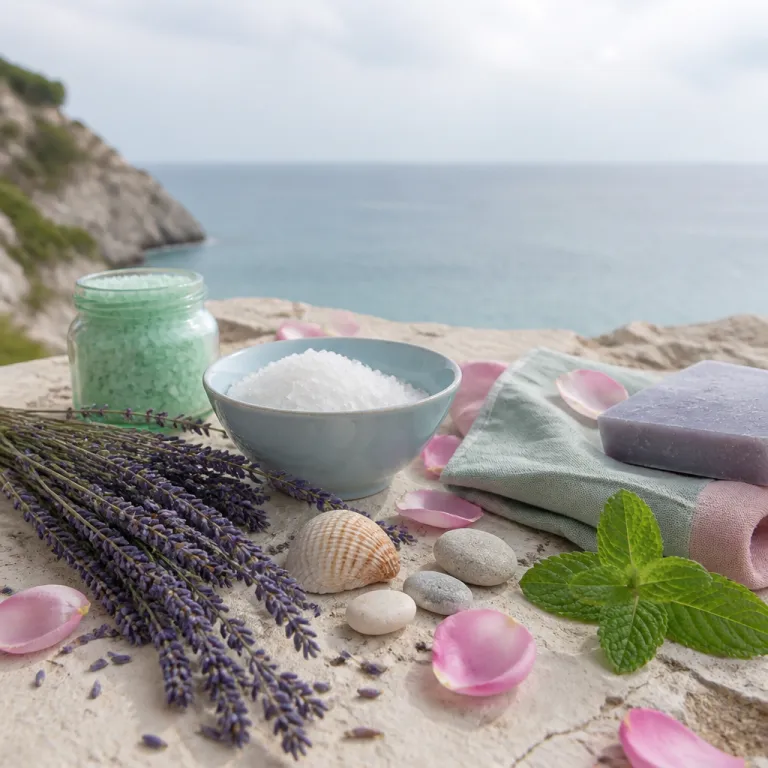
Why luxury resorts on the French Riviera define seaside elegance
The French Riviera has long been the stage where luxury resorts meet luminous Mediterranean light. Along this storied Riviera coastline in south France, each hotel balances heritage, contemporary design, and a very precise sense of service. For travelers planning a refined booking, these luxury hotels offer a rare mix of sea views, cultural depth, and effortless access to both city life and quiet coves.
From Nice to Saint Tropez, the shoreline is dotted with properties that treat every night as a curated experience rather than a simple stay. The Maybourne Riviera, poised above Roquebrune-Cap-Martin, uses bold modernist architecture to frame the Côte d’Azur, while Cap Estel occupies a private peninsula that feels almost like a discreet chateau suspended above the water. Historic addresses such as Le Provençal and Château de La Chèvre d’Or show how a grand hotel can preserve its soul while integrating a contemporary spa, a heated pool, and Michelin starred dining, while newer icons like Grand-Hôtel du Cap-Ferrat or Hôtel Martinez in Cannes illustrate how classic Riviera glamour adapts to contemporary expectations.
Across this arc of the French Riviera, regional tourism inventories and industry benchmarks indicate that several dozen luxury hotels operate with typical high season nightly rates often clustering around the 500 euro mark for entry-level rooms. These indicative figures, drawn from the Comité Régional de Tourisme Côte d’Azur’s accommodation statistics and the Luxury Hotel Association’s 2023 coastal benchmark, should be read as broad averages rather than fixed prices, as individual hotels can sit well above or below this range depending on location and season. For guests, the key is to check how each hotel translates this level of luxury into tangible benefits, from private beach access to family friendly rooms and suites and attentive kids club programs.
Choosing the right seaside escape along the Côte d’Azur
Selecting between luxury resorts on the French Riviera starts with geography and rhythm. Travelers who want a quieter Riviera experience often look to capes such as Cap Ferrat or Cap d’Antibes, where each hotel property leans into gardens, sea views, and private pathways to the beach. Those who prefer a livelier south France atmosphere may gravitate toward Saint Tropez or the Nice–Cannes corridor, where nightlife, shopping, and restaurant options multiply within a few kilometres.
On Cap Ferrat, for example, a hotel cap address typically offers terraced rooms and suites facing the sea, a spa with indoor pool, and direct access to a private beach club. The Four Seasons style of service, seen at the most prestigious seasons hotel properties, focuses on intuitive gestures such as arranging a last minute Michelin restaurant reservation or a sunset boat transfer without fuss. Around Cap d’Antibes, grand hotel estates often combine pine shaded paths, kids club spaces, and Michelin star dining, which makes them ideal for multi generational stays; in high summer, entry-level rooms at these coastal retreats can easily range from 700 to 1,200 euros per night, while shoulder season dates in May, June, September, or early October may drop closer to 400–700 euros.
Travelers comparing resort stays in France, from Riviera beach clubs to Pyrenean thermal retreats, can use curated overviews such as the resort stays in France guide to understand how coastal and mountain properties differ. For the French Riviera specifically, it is wise to check whether the hotel includes beach access in the nightly rate or charges a separate fee for sunbeds and cabanas. Another decisive factor is transport; some hotels across the French Riviera offer complimentary shuttles to nearby towns, while others expect guests to rely on taxis or private drivers, which can add significantly to the overall cost if you plan to dine out or explore different villages most evenings.
Iconic capes and coastal villages for refined stays
Certain headlands along the French Riviera have become shorthand for a particular style of luxury. Cap Ferrat, Cap d’Antibes, and the cliffs above Èze each host a cluster of luxury hotels where the line between hotel and private villa often blurs. At Cap Estel, for instance, the property occupies its own cap, with manicured lawns, a saltwater pool carved into the rock, and sea views that sweep from Saint Jean Cap Ferrat to Monaco.
In the medieval village of Èze, Château de La Chèvre d’Or rises like a stone terrace above the sea, its rooms and suites scattered through ancient houses linked by flowered lanes. Here, a Michelin starred restaurant turns the panorama into part of the tasting menu, while the spa and pool remain deliberately intimate to preserve the sense of retreat. Nearby, the Maybourne Riviera uses glass, concrete, and sharp lines to frame the same coastline, proving that a grand hotel can be both architectural statement and serene hideaway, while farther along the shore, properties in Beaulieu-sur-Mer, Villefranche-sur-Mer, and Cannes offer a more urban Riviera mood with promenades, marinas, and easy access to cultural events.
Farther west, Saint Tropez continues to attract travelers who want a livelier night scene without sacrificing luxury. Many hotels along the French Riviera now position their Saint Tropez properties as complete seaside escapes, with private beach clubs, kids club activities, and Michelin level restaurant concepts that rival those in Paris. For readers comparing options, a dedicated overview of Saint Tropez luxury hotels for a refined seaside escape helps clarify which addresses lean toward party energy and which favour quiet gardens and long lunches; as a practical rule of thumb, booking three to six months ahead for July and August stays in Saint Tropez or Cap d’Antibes gives you the best chance of securing preferred room categories and beach club access.
Inside the experience : rooms, suites, and service rituals
What truly differentiates luxury resorts on the French Riviera is how they choreograph the guest journey. A well run hotel in this region treats the first check in moment as a soft landing, with luggage whisked away, a cool drink offered, and sea views revealed almost theatrically. Rooms and suites are usually designed to echo the light outside, with pale tones, natural textures, and terraces that extend the living space toward the Riviera horizon.
At Hôtel du Couvent in Nice, a restored seventeenth century convent, the rooms balance stone walls with contemporary comforts, while the spa occupies former monastic spaces that now host treatment cabins and a tranquil pool. In many French Riviera properties, the best room and suite categories include separate living areas, large bathrooms with both shower and tub, and generous wardrobes for longer stays. Families often appreciate connecting rooms and a well structured kids club, which allow adults to enjoy the restaurant or bar while children join supervised activities; one guest in Cap Ferrat described how a concierge quietly moved a family to a slightly larger suite when heavy rain was forecast, simply to ensure the children had more indoor space.
Service rituals also matter deeply in this corner of France, where hospitality traditions run long. Many luxury hotels maintain a high staff to guest ratio so that restaurant reservations, private transfers, and last minute spa appointments can be handled swiftly. As one concierge in Cap Ferrat notes, “On a busy August evening, we might confirm a Michelin star table, arrange a babysitter, and book a sunset cruise within an hour, so guests never feel the logistics.” Guests should feel comfortable asking the concierge to check availability for a Michelin star table, arrange a private yoga session on the beach, or secure a boat for a sunset cruise along the Côte d’Azur, and it is worth emailing the concierge team a week or two before arrival with a short wish list so they can pre-book the most popular experiences.
Gastronomy, wellness, and the art of slow days
Dining at luxury resorts on the French Riviera is rarely an afterthought. Many properties host at least one Michelin level restaurant, sometimes with a formal Michelin starred dining room alongside a more relaxed beach restaurant for long lunches. Menus tend to highlight produce from south France, with Mediterranean fish, local vegetables, and Provençal olive oils anchoring the plates.
Guests who care about gastronomy should check whether the hotel collaborates with renowned chefs or holds a current Michelin star, as this often shapes the entire culinary philosophy. At Château de La Chèvre d’Or, for example, the fine dining restaurant turns the terrace into a stage, with dishes such as line caught sea bass with fennel and citrus or lamb from the Alpes-Maritimes with rosemary jus, while more casual venues on the same property offer lighter plates between pool swims. Cap Estel and the Maybourne Riviera follow a similar pattern, pairing gastronomic tables with all day restaurants so that guests can move seamlessly from breakfast by the sea to a late night tasting menu, and in Saint Tropez or Cannes, many hotels now coordinate with nearby beach clubs so that guests can charge seaside lunches directly to their room.
Wellness has become equally central, with most grand hotel properties now offering a full spa, fitness room, and at least one heated pool. Some hotels along the French Riviera integrate thalassotherapy elements, while others focus on holistic treatments, yoga, and outdoor movement along coastal paths. Slow days often unfold between the spa, the beach, and shaded terraces, with guests sharing their favourite corners on platforms such as Pinterest, where images of infinity pools and sea views from Cap Ferrat or Cap d’Antibes inspire future trips; if wellness is a priority, it is worth checking spa opening hours, minimum age rules, and whether treatments can be reserved before arrival, as prime late afternoon slots tend to fill quickly in high season.
Practical booking advice for a flawless Riviera stay
Securing the right hotel on the French Riviera requires both timing and clarity about priorities. Spring and autumn bring softer light, fewer crowds, and often more attractive nightly rates, while peak summer demands that you book months in advance, especially for the best hotels with private beaches. Travelers should always check cancellation policies, minimum stay requirements, and whether breakfast, spa access, or beach services are included in the rate.
Families may prioritise resorts with a structured kids club, generous rooms and suites, and shallow pool areas, while couples might focus on sea views, Michelin starred dining, and quiet corners of the property. It is also worth comparing whether a hotel offers a dedicated concierge team able to arrange private drivers, Michelin restaurant reservations, and tailored excursions to villages such as Saint Paul de Vence or inland chateau estates. For those combining a seaside escape with an urban interlude, a curated guide to elegant hotels in Paris on the Left Bank can help structure a wider France itinerary, and many travelers now choose to lock in key Riviera dates first, then add Paris or Provence once flights are confirmed.
Travel advisors and tourism boards often repeat the same core guidance for this region. “Book in advance during peak seasons. Explore local cuisine and culture. Utilize concierge services for exclusive experiences.” These simple principles, applied thoughtfully, ensure that a stay in luxury resorts on the French Riviera feels both effortless and deeply personal, whether you are in Saint Tropez, Cap Ferrat, or a quiet corner of the Côte d’Azur; in practice, that can mean reserving your preferred hotel six months ahead for late July, confirming at least one special dinner or boat day before arrival, and leaving a few open afternoons for spontaneous discoveries.
Key figures about luxury resorts on the French Riviera
- The French Riviera hosts several dozen luxury hotels, according to the regional tourism board’s 2023 accommodation inventory, which makes it one of the densest high end coastal regions in Europe even though exact counts vary slightly between sources and classification methods.
- Recent industry analyses suggest that the average nightly rate for a luxury hotel on the French Riviera often gravitates around 500 euros in high season, based on data from the Luxury Hotel Association’s latest European coastal report, reflecting strong international demand and high operating costs.
- Many leading properties were originally built between the early twentieth century and the postwar decades, then renovated extensively in recent years to integrate modern spa facilities and energy efficient systems.
- Resorts report growing interest in wellness, with spa and fitness usage increasing steadily as guests seek longer stays that combine leisure, health, and gastronomy.
FAQ about luxury resorts on the French Riviera
What is the best time to visit the French Riviera for a luxury stay ?
Spring and autumn offer pleasant temperatures, softer light, and fewer crowds than the peak summer months. During these shoulder seasons, many luxury hotels maintain full services while sometimes offering more flexible booking conditions. Guests also find it easier to secure Michelin star restaurant reservations and private experiences.
Are luxury resorts on the French Riviera family friendly ?
Many high end properties in south France are designed with families in mind. They offer connecting rooms, spacious suites, and a dedicated kids club with supervised activities. When planning, it is wise to check age policies, pool safety features, and whether the restaurant can adapt menus for younger guests.
Do luxury resorts on the French Riviera have direct beach access ?
Several coastal hotels operate their own private or semi private beach clubs, often with reserved sunbeds, towel service, and a casual restaurant. Others are set slightly above the sea, with shuttle services to nearby public beaches along the Côte d’Azur. Before booking, guests should confirm whether beach access is included in the room rate or billed separately.
How far in advance should I book a luxury hotel on the Riviera ?
For stays in July and August, it is prudent to book several months ahead, especially for properties in Saint Tropez, Cap Ferrat, or Cap d’Antibes. Outside peak season, a few weeks’ notice is often sufficient, though major events in Cannes or Monaco can still affect availability. Flexible travelers who can adjust dates usually find better rates and room choices.
Are these luxury resorts suitable for guests who do not rent a car ?
Many French Riviera hotels arrange private transfers from Nice Côte d’Azur Airport and nearby train stations. Properties close to towns such as Nice, Cannes, or Saint Paul de Vence often provide shuttle services or easy access to taxis. Guests who prefer not to drive should check transport options in advance and rely on concierge teams to coordinate local movements.