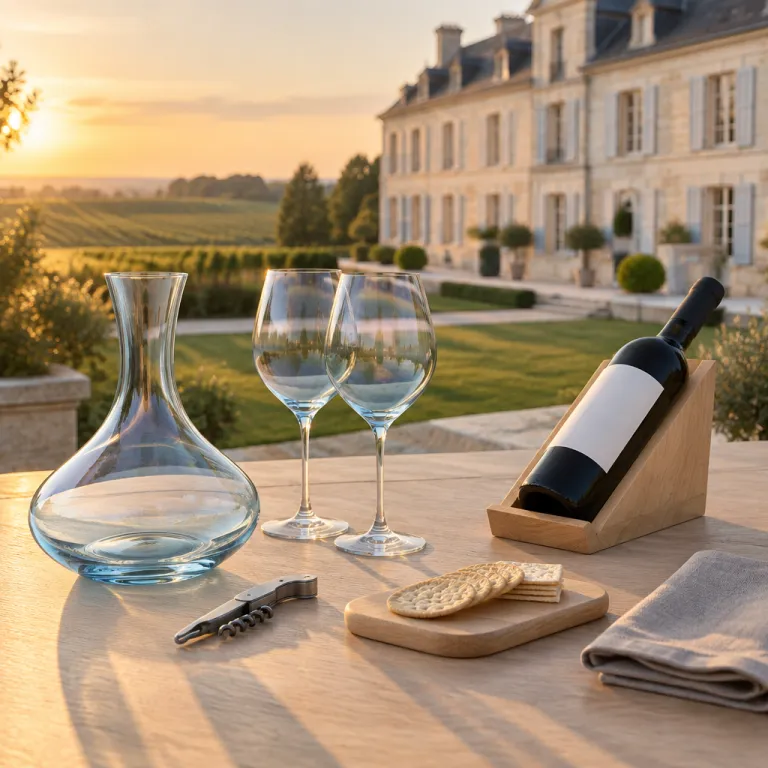
Why a château stay elevates your French countryside trip
Choosing a château in the French countryside transforms a simple trip into a deeply personal journey. In rural France, a carefully restored château often sits on a gentle hill overlooking vineyards or a quiet river, creating a setting where every day feels unhurried and intimate. This is where the idea of a refined french country escape becomes tangible, with space, silence, and attentive service.
Many travellers start in Paris then design a tour that leads into the Loire Valley, the Dordogne, or another peaceful rural region, combining city energy with countryside calm. A well planned itinerary might include one town known for wine, another for medieval streets, and finally a château hotel where you can take real time to rest between excursions. This balance allows you to appreciate both the intense rhythm of French city life and the slower pace that defines the authentic french countryside.
When you book a château style hotel, you are not only reserving guest rooms but also access to history and culture that spans centuries. Many properties in the Loire valley or along the Dordogne river were noble residences years ago, and their thick stone walls still tell stories if you pause to read the architectural details. For travellers who value France’s unique heritage, this type of stay offers a richer way to experience the French country landscape.
Choosing between Loire Valley and Dordogne château experiences
The Loire Valley and the Dordogne both offer exceptional château stays, yet they suit different styles of travel. In the Loire valley, estates often stand near a broad river, with manicured gardens and easy access to famous places visit such as Château de Chenonceau or Château de Chambord. In contrast, the Dordogne river winds through a more rugged French countryside, where hill overlooking villages and prehistoric caves create a dramatic backdrop.
If you enjoy wine focused experiences, a château stay in the Loire Valley pairs naturally with a small group vineyard tour and a visit to local cellars. Many travellers plan a day that starts with a guided tour guide led walk through a historic town, continues with a tasting, and ends with dinner back at the château under stone vaults. For more ideas on where to sleep among vines during harvest, you can explore this guide to staying in France’s wine country during the vendanges, which complements a French country itinerary beautifully.
The Dordogne region, sometimes called Périgord, appeals to travellers who want to read the layers of history and culture etched into cliffs and fortified towns. Here, château hotels often overlook the Dordogne river or sit just outside a small medieval town, giving you quick access to canoeing, markets, and prehistoric sites. Whether you choose the Loire or the Dordogne, the essence of the French country experience lies in taking time enjoy slow mornings, long lunches, and quiet evenings in the countryside’s beautiful landscape.
What to expect from luxury château guest rooms and service
Luxury château guest rooms in the French countryside usually blend period architecture with contemporary comfort. High ceilings, original beams, and tall windows frame views of gardens, a river, or a distant town, while modern bedding and bathrooms ensure a restful night after a full day of travel. The best properties in France understand that refined service should feel attentive yet discreet, allowing you to enjoy privacy without formality becoming heavy.
Room categories often range from compact yet elegant spaces in the main château to larger suites in converted outbuildings, which suit a small group or families. Many guest rooms feature details that reflect everyday French traditions, such as antique armoires, local fabrics, or stone fireplaces that were used years ago. When you read the room descriptions carefully, look for mentions of hill overlooking views, river access, or terraces, as these elements shape how you will experience the French country surroundings.
Top tier château hotels increasingly design stays around curated experiences rather than only a bed for the night. You might book a package that includes a cooking class, a guided tour of nearby places visit, or a private tasting in the cellar, all woven into the rhythm of your trip. For a broader perspective on this trend, consult this feature on experience driven luxury stays in France, which explains how countryside’s most beautiful properties are redefining hospitality.
Designing a château based itinerary from Paris
Many international visitors land in Paris then head into the French countryside for a château stay once they have adjusted to the time zone. A practical approach is to spend one or two nights in the capital, then take a train or private transfer toward the Loire Valley or Dordogne for the rural part of your trip. This structure lets you enjoy the contrast between city cafés and quiet country coffee on a terrace overlooking fields.
From Paris to the Loire valley, high speed trains reach towns such as Tours or Blois in around one hour, after which a short transfer brings you to your chosen château hotel. If you prefer the Dordogne river region, plan extra time, as connections usually involve a change in Bordeaux or Brive before you reach a small town near your property. Once settled, you can arrange a tour guide for a half day tour of nearby castles, markets, or gardens, leaving the rest of the day free to time enjoy the estate.
Some travellers combine a countryside beautiful stay with a coastal interlude, creating a multi region view of France’s varied landscapes. After several nights in the French country heartlands, you might continue toward the Atlantic or even down to the Mediterranean for a contrasting experience of seaside elegance. For inspiration on that coastal segment, this article on luxury resorts on the French Riviera shows how a single trip can weave together river valleys, vineyards, and the sea.
Dining, coffee rituals, and the rhythm of château life
Meals shape the memory of any stay in the French countryside, and château dining is no exception. Breakfast often begins with fresh bread, pastries, and strong coffee served in a light filled room or on a terrace facing the gardens. This slow start to the day sets a tone that contrasts with the faster rhythm of life in French cities.
At dinner, many château hotels highlight regional produce, pairing local wines from the Loire Valley or southwest France with seasonal menus. You might enjoy a tasting menu in a vaulted dining room, then step outside to read the sky as it darkens over the river or surrounding fields. Some properties also offer informal meals in smaller salons, ideal for a small group that prefers a quieter atmosphere after a full day of travel and tours.
Between meals, the rhythm of château life encourages you to take time enjoy simple pleasures. Guests often linger over afternoon coffee in the library, browse posts French travellers have shared on Instagram Facebook about the property, or stroll through the parkland. These unhurried moments, far from any town traffic, are when the essence of the French country lifestyle becomes most tangible.
Practical booking tips, privacy, and digital inspiration
When booking a luxury château hotel in France, start by clarifying what you expect from the location and surroundings. Decide whether you prefer a property near a lively town, or one set deep in the French countryside with only a river and fields nearby. Then check how many guest rooms the château offers, as smaller places often provide a more intimate French country atmosphere for each trip.
Before confirming, read the cancellation terms and the privacy policy carefully, especially if you are sharing personal data for a special occasion stay. Many high end properties now outline how they handle contact details, payment information, and newsletter subscriptions, which helps build trust. If you plan to share your experience later, you may also wish to review how the hotel manages its Instagram Facebook presence, as this can reveal how they interact with guests beyond the stay itself.
Social media can be a useful tool when you research countryside beautiful château stays, but it should complement, not replace, direct communication. Look for posts French guests have written years ago, then email or call the property to ask specific questions about access, tour guide options, or nearby places visit. This combination of digital inspiration and personal contact ensures that your time enjoy in the French countryside aligns with your expectations from the first day to the last.
Key figures on château stays in the French countryside
- Regional tourism bodies report that the Loire Valley welcomes several million visitors each year, many of whom include at least one château visit in their itinerary, underlining the region’s central role in French country tourism.
- Local tourism offices in Nouvelle Aquitaine indicate that the Dordogne department records millions of overnight stays annually, with a significant share in rural accommodations, reflecting strong demand for countryside beautiful experiences.
- French national statistics show that rural areas account for a substantial share of tourist overnight stays nationwide, confirming that the French countryside remains a major pillar of the national travel economy.
- Surveys by European tourism organisations suggest that a large proportion of international travellers to France cite history, culture, and heritage sites, including châteaux, as a primary motivation for their trip.
FAQ about luxury château stays in the French countryside
How many nights should I plan for a château stay in the French countryside ?
For most travellers, two to three nights in a château hotel provide enough time to settle in, explore a nearby town, and enjoy at least one full day without rushing. If you are combining the Loire Valley and the Dordogne river regions in a single trip, consider four to six nights split between both areas. This allows you to balance travel days with relaxed time enjoy on the estate.
Do I need a car to stay in a countryside château ?
A car offers the greatest flexibility for visiting small villages and remote places visit around your château. However, some properties near larger towns in the Loire valley or Dordogne can arrange transfers, local taxis, or a private tour guide for day trips. When booking, ask the hotel directly about transport options from the nearest train station.
Are château hotels suitable for families or only for couples ?
Many château hotels in France welcome families and offer larger guest rooms or suites that can accommodate a small group. Gardens, pools, and outdoor activities in the French countryside often appeal to children, while parents appreciate the calm setting. Always check age policies and available facilities before confirming your trip.
What is the best season to experience the French country atmosphere ?
Spring and autumn usually offer mild temperatures, fewer crowds, and countryside beautiful colours in both the Loire Valley and the Dordogne. Summer brings longer days and lively festivals in many town centres, though popular châteaux can be busier. Winter stays can feel particularly intimate, with fireside dinners and quiet river landscapes.
How can I verify the quality of a château hotel before booking ?
Combine professional reviews, guest ratings, and direct communication with the property to build a clear picture. Read recent comments, look at posts French and international guests have shared, and ask the hotel specific questions about services, history culture experiences, and privacy policy details. This multi source approach helps ensure that your French countryside stay meets your expectations.