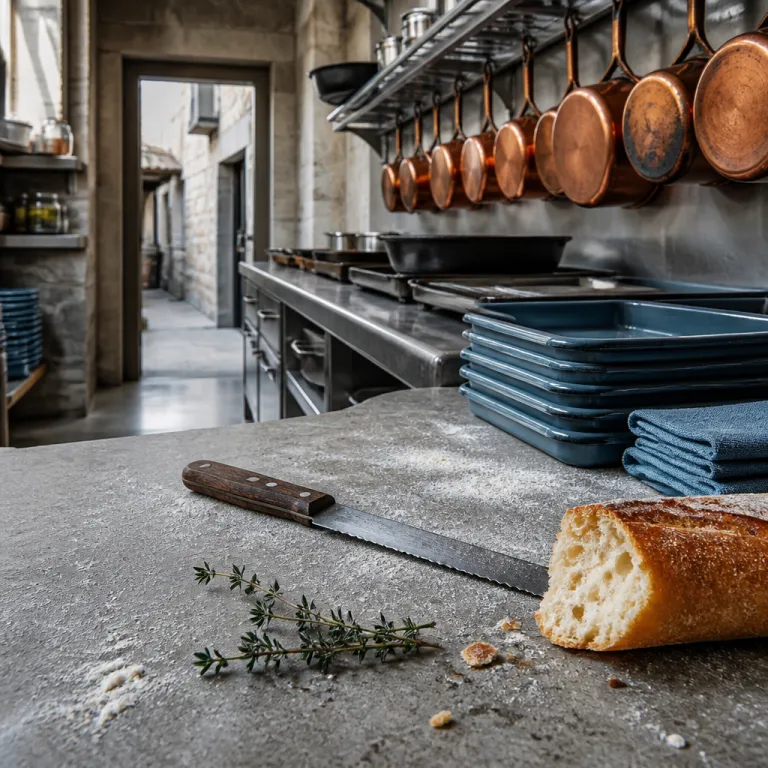
How culinary immersion is reshaping the hotel France review landscape
Culinary immersion at French luxury hotels now means far more than a polished tasting menu. It increasingly involves market visits with the chef, hands on cooking in professional kitchens and wine pairing workshops that feel closer to a sommelier apprenticeship than a hotel amenity. In every serious hotel France review today, the question is no longer only how the suite or base room looks, but how deeply the property lets you cook, taste and learn.
Urban luxury hotels from Paris to Lyon are partnering with local vineyards, regional markets and even culinary schools to build structured programs. At Chais Monnet Hotel & Spa in Cognac, for example, guests can move from a morning class on sauces to an afternoon tasting focused on eaux de vie, with recipe booklets and precise notes to take home. Hostellerie Cèdre & Spa in Beaune leans into Burgundian wine sauces and cellar pairings, while Le Relais Bernard Loiseau in Saulieu uses its long standing gastronomic reputation to anchor multi day retreats that feel almost like joining a culinary institute for a short stay.
This shift reflects a broader travel trend where guests want to participate rather than simply consume. The context is clear ; there is a growing interest in culinary tourism, a demand for authentic experiences and a rising curiosity about sustainable cooking that respects producers and seasonality. When you read any thoughtful hotel France review now, you will notice how often the writer weighs the kitchen’s willingness to teach against the gloss of the lobby or the thread count of the room.
Solo travelers, in particular, are driving this change in urban luxury hotels. A structured cooking class or wine pairing workshop turns an anonymous stay into a social, shared activity where you can meet other guests without forced small talk at the bar. Couples, too, are choosing culinary stays over traditional sightseeing because a morning at the market and an afternoon in the kitchen can feel more intimate than another queue at a monument.
The spectrum of offers runs from a single two hour pastry session to full culinary retreats spanning several days. Some hotels build packages that include accommodations, cooking classes, meals and sometimes excursions, which makes planning easier for first time visitors to France. As you compare hotels, pay attention to whether the program is a one off entertainment or a coherent curriculum that builds skills from knife work to plating over the duration of your stay.
From Paris rooftops to Beaune cellars: where to learn, not just dine
In Paris, the most interesting culinary programs are often hidden behind discreet façades rather than on the grand boulevards. A careful hotel France review of an urban property now reads like a restaurant critique, with as much attention paid to chef credentials and class size as to the view from the suite. When you look beyond the Eiffel clichés, you find hotels quietly offering market tours with their chefs, followed by hands on sessions in compact but well equipped kitchens that feel like private ateliers.
For honeymooners or couples, some of the best Paris France honeymoon hotels for an unforgettable romantic stay now weave cooking into the romance narrative. Instead of only promising champagne and rose petals, they offer private pastry classes for two, or a late afternoon wine and cheese pairing where the sommelier walks you through raw milk Comté and small producer Champagne. A strong hotel France review of these properties will note whether the chef actually teaches or simply performs, and whether you leave with recipes you can reproduce at home rather than just a pleasant memory.
Outside the capital, Hostellerie Cèdre & Spa in Beaune uses its location in Burgundy to anchor serious wine focused programs. Guests might spend the morning in nearby vineyards, then return to the hotel kitchen to learn classic Burgundian wine sauces that actually match the bottles they tasted earlier in the day. In Cognac, Chais Monnet Hotel & Spa builds stays around regional products, pairing local markets with classes on slow braises and desserts that work with the area’s spirits rather than fighting them.
In Saint Émilion, Logis de la Cadène operates as a Michelin starred restaurant first, but its collaborations with nearby hotels create compelling culinary stays. You might sleep in a quiet stone walled room a few minutes away, then walk to the restaurant for a focused workshop on sauces or pâtisserie before a long lunch in the dining room. When you read a hotel France review for this area, look for mentions of access to the restaurant’s team, not just the fact that a Michelin star sits nearby.
Le Relais Bernard Loiseau in Saulieu remains a reference point for rural gastronomic retreats. Here, the kitchen’s legacy shapes everything from knife skills classes to garden visits where you learn how herbs move from soil to sauce. A serious review will ask whether the current program honours that heritage with real teaching time, or whether it has slipped into passive demonstrations where guests watch rather than cook.
Regional flavours: from Provençal herbs to Breton tides
France’s most rewarding culinary stays lean into regional specificity rather than generic “French cooking” clichés. In Provence, urban adjacent hotels near Aix or Avignon are building programs around Provençal herbs, olive oil and vegetable driven menus that reflect the markets within a few kilometres. A thoughtful hotel France review of these properties will mention early morning trips to the marché, where guests choose tomatoes and courgettes with the chef before returning to the kitchen to turn them into tian or pistou.
On the Atlantic coast, Breton hotels are using seafood and tides as their curriculum. Guests might join a chef for a visit to the fish auction at dawn, then learn to handle scallops, spider crab and line caught sea bass in a class that respects both technique and sustainability. When you read a review of these stays, look for concrete details such as whether the hotel partners with specific boats or fishmongers, and whether the program addresses issues like seasonality and responsible sourcing rather than just offering a generic “seafood night”.
In the Basque Country, urban luxury hotels in Biarritz and Bayonne are finally taking pintxos as seriously as tasting menus. A strong hotel France review here will describe evenings spent hopping between bars with a local guide, followed by a hands on session back at the hotel where you recreate the pintxos you tasted, from gildas to cod brandade to grilled peppers. The best programs treat these small bites as a lens on Basque culture, not just as Instagram friendly snacks.
Burgundy remains the classroom for anyone serious about sauces and wine pairings. Hostellerie Cèdre & Spa and other Beaune addresses use their proximity to grand cru vineyards to offer workshops where you taste a flight in the cellar, then head upstairs to cook dishes that match each glass, learning how acidity, tannin and richness interact on the plate. When you compare hotels in this region, prioritise those that integrate vineyard visits, cellar tastings and kitchen time into a single narrative rather than selling them as disconnected activities.
For travellers who like to mix city energy with coastal calm, it is worth pairing an urban culinary stay with a few days at seaside elegance at luxury resorts on the French Riviera. There, the focus shifts to Mediterranean fish, citrus and olive oil, with classes that might move from the hotel kitchen to a nearby port or citrus grove. A nuanced hotel France review of Riviera properties will note whether the culinary program feels rooted in local producers or simply borrows a few recipes while relying on imported ingredients.
How to read a hotel France review for serious culinary programs
Evaluating culinary immersion requires reading between the lines of any hotel France review. Start with the chef’s credentials, but do not stop at the Michelin count ; look for evidence that the chef actually teaches, such as references to small class sizes, hands on practice and time spent correcting technique. A property that only offers chef demonstrations in a ballroom, with guests seated in rows, is not delivering the same experience as one that limits classes to eight people around a central island.
Next, examine how the program connects to the surrounding city or countryside. Strong reviews mention specific markets, named vineyards or particular producers, which signals that the hotel has built real partnerships rather than staging generic experiences. When a reviewer describes walking to Les Halles with the chef at 7 a.m. or visiting a family run olive mill, you can trust that the stay will feel anchored in place rather than in a conference room.
Take home value matters as much as the thrill of cooking in a professional kitchen. Look for mentions of recipe booklets, follow up emails with techniques and even access to online videos that reinforce what you learned once you are back home. Hotels that treat teaching as part of their identity will usually structure their programs like a short course, with a clear progression from basic skills to more advanced dishes over the duration of your stay.
For romantic escapes, some of the best luxury hotels in France for a romantic escape that truly earn the splurge now combine serious cooking with privacy. Reviews that highlight private classes for two, or chef’s table dinners where you help plate a course before sitting down, indicate a property that understands how to blend pedagogy with atmosphere. If a hotel only offers large group classes at fixed times, it may still be enjoyable, but it will not deliver the same tailored experience for couples or solo travellers seeking depth.
Finally, pay attention to how reviewers describe the rhythm of the day. A well designed culinary stay balances kitchen time with rest, spa access and unstructured hours to explore the neighbourhood, whether that means a stroll through Beaune’s cobbled streets or a quiet coffee in a Paris side street. When a hotel France review notes that guests finish class just in time to catch golden hour on the terrace with a glass of local wine, you know the property has thought about the full arc of your day, not just the class itself.
Why teaching the guest is the new luxury in French hotels
Across France, luxury hotels are shifting from feeding the guest to teaching the guest. This move from passive dining to active participation reflects a deeper change in what travellers value, especially solo explorers who would rather learn a skill than tick off another monument. When culinary stays are done well, they turn a hotel into a temporary home where you chop, stir and taste alongside professionals rather than watching from a distance.
The methods vary, from hands on cooking classes and chef demonstrations to wine pairings that feel like condensed sommelier training. Professional kitchens, local ingredients and carefully prepared recipe booklets become tools for cultural immersion as much as for dinner, and the integration of traditional and modern techniques keeps the experience from sliding into nostalgia. As one program description puts it with useful clarity ; “What is included in a culinary stay? Accommodations, cooking classes, meals, and sometimes excursions.”
For hotels, these programs are not just marketing flourishes but long term investments in loyalty. Guests who spend three days learning to cook with a chef in Cognac or Beaune are far more likely to return, recommend the property and treat it as their French base for future trips. The expected impact is simple yet powerful ; increased culinary knowledge and appreciation that lingers long after the last dessert is plated.
Solo travellers benefit in particular because culinary classes create natural, low pressure ways to meet others. Instead of navigating a bar alone, you stand at a cutting board next to another guest, comparing notes on knife skills or favourite markets, which turns strangers into dinner companions. Couples, meanwhile, often find that cooking together in a hotel kitchen reveals more about a place than any guided tour, especially when the chef shares stories about local producers and regional history.
As you plan your next trip, treat the culinary program as central rather than peripheral when you read any hotel France review. Ask detailed questions before booking, from dietary accommodations to class schedules and language options, and do not hesitate to email properties like Chais Monnet Hotel & Spa, Logis de la Cadène, Hostellerie Cèdre & Spa or Le Relais Bernard Loiseau directly. The most rewarding French hotel stays now send you home not only rested, but able to recreate a slice of France in your own kitchen.
FAQ about culinary stays at French hotels
What is typically included in a French hotel culinary stay ?
Most serious culinary stays include accommodations, cooking classes and several meals built around what you prepare. Many programs also add market visits, vineyard tours or producer excursions to deepen the sense of place. Transfers and spa access are sometimes bundled, but you should always confirm the exact inclusions before booking.
Do I need prior cooking experience to join these programs ?
No prior experience is required for most hotel based culinary stays in France. Classes are usually designed to accommodate beginners while still challenging confident home cooks through advanced techniques or more complex dishes. When in doubt, ask the hotel for sample menus and skill level guidance before you reserve.
How can solo travellers make the most of a culinary stay ?
Solo travellers should look for small group classes and clear daily schedules that mix structured activities with free time. Joining market visits, wine pairings and shared meals makes it easy to meet other guests without forced socialising. Choosing an urban hotel with good neighbourhood cafés and markets nearby also gives you plenty to explore between sessions.
Are dietary restrictions usually accommodated in French hotel cooking programs ?
Most luxury hotels in France can accommodate dietary restrictions if informed in advance. You should communicate allergies, intolerances and preferences clearly when booking, and reconfirm them at check in. Some dishes may be adapted rather than replaced, but good programs ensure you can participate fully in both cooking and tasting.
How far in advance should I book a culinary stay at a French hotel ?
Culinary programs with limited class sizes often fill quickly, especially during peak travel seasons and harvest periods in wine regions. Booking several months ahead gives you the best choice of dates, room categories and specific workshops. Last minute spots do appear, but they are less common for multi day retreats with structured curricula.