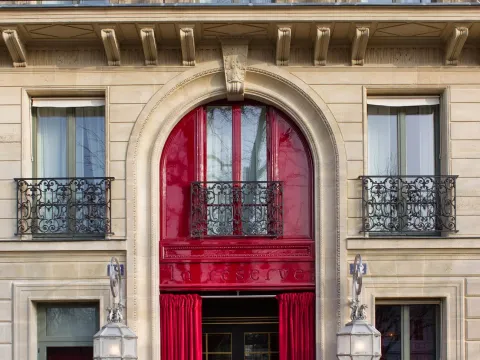
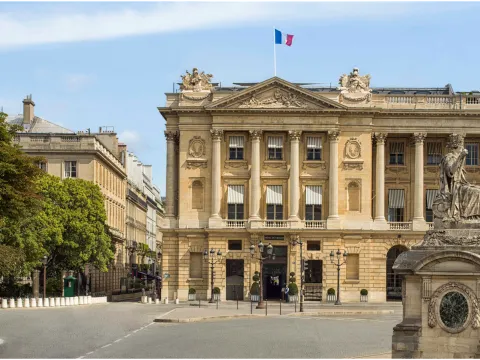
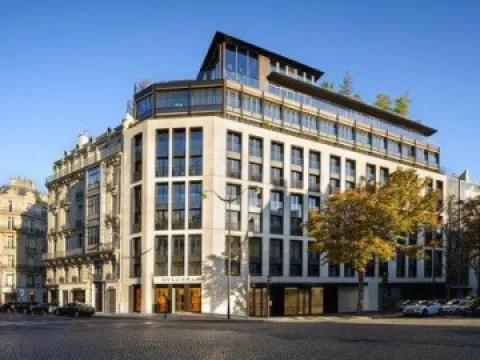
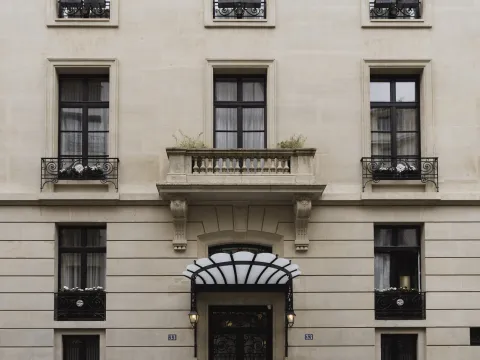
Discover what it’s like to stay in the Paris city centre: neighbourhoods, transport, room types and how to choose the right central Paris hotel for your trip.
Why stay in the Paris city centre
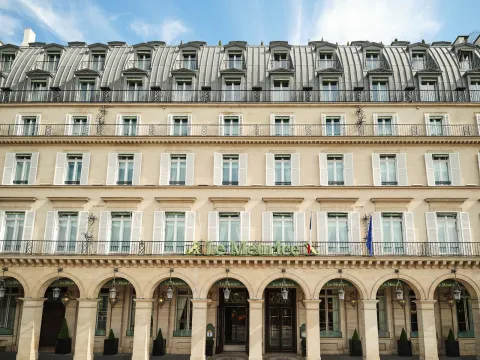
Stepping out of a hotel in central Paris and finding the Seine two streets away changes the entire trip. You are not visiting the city; you are living inside it. From the Île de la Cité to Saint‑Germain and the Latin Quarter, the centre offers a density of history, cafés and major sites that no outer district can match, and the best hotels in Paris city centre place you in the middle of this daily theatre.
For guests who value time over distance, a hotel in the heart of the city means walking to Notre‑Dame, the Louvre or the Jardin du Luxembourg instead of planning every move around a métro station. You feel the rhythm of the city early, when the boulangerie on rue de Buci opens, and late, when the last glasses are cleared on place Dauphine. The atmosphere is not quiet, but it is intensely Paris, and a central address lets you stretch each day without long commutes.
Choosing a Paris hotel in the centre is less about chasing the highest number of stars and more about accepting a trade‑off. Rooms are often smaller than in outer districts, and some historic buildings have quirks. In return, you gain the ability to cross the river on foot at sunset, to see the Eiffel Tower sparkle from Pont Neuf, and to reach most central Paris neighbourhoods within 15 to 20 minutes by métro. For many travellers, that proximity is what makes a stay feel truly memorable.
Key neighbourhoods in the centre of Paris
On the Left Bank, Saint‑Germain‑des‑Prés remains the classic choice for a refined hotel Paris stay. Around boulevard Saint‑Germain and rue Bonaparte, you find elegant properties in former townhouses, with discreet entrances and intimate lobbies. This district suits travellers who want galleries, design shops and serious cafés within a five‑minute walk, and who prefer a polished, village‑like atmosphere over big avenues.
A little further east, the Latin Quarter around rue Mouffetard and the Panthéon feels younger and more bohemian. Hotels here often mix historic stone staircases with simpler rooms, attracting guests who prioritise atmosphere and proximity to the Sorbonne over formality. From this area, you can walk to Notre‑Dame in about 15 minutes and reach the river in under 10, while evenings are filled with student bars, bookshops and small bistros.
On the Right Bank, the triangle between the Louvre, the Opéra district and the Grands Boulevards offers a very different central Paris experience. Here, larger hotels occupy Haussmann buildings along avenues like Opéra and de l’Opéra, with more structured service and a business‑leisure mix. You are one or two métro stops from the Champs‑Élysées, and a direct line connects you to the Tour Eiffel area without complicated changes, which suits visitors who want department stores and theatres close by.
Access, métro lines and getting around
Checking the métro map before you book is as important as checking the room photos. In the city centre, a hotel near a major métro station such as Châtelet–Les Halles, Saint‑Germain‑des‑Prés or Odéon gives you direct access to several lines and RER trains. This reduces travel time to the Eiffel Tower, Montmartre or the Paris Porte de Versailles exhibition centre and makes spontaneous detours much easier.
Staying close to the Seine usually means you are never far from at least one useful line. Line 1 crosses the city from La Défense to Château de Vincennes, stopping at Louvre–Rivoli, Châtelet and Hôtel de Ville. Line 4 links the Left Bank and Right Bank through Saint‑Germain, Saint‑Michel and Les Halles. For most guests, being within a 5‑minute walk of one of these lines is more valuable than an extra half‑star in the hotel rating, especially if you plan to explore several districts in a short stay.
Do not overlook the practical side of arrival and departure. A central Paris hotel near Saint‑Michel–Notre‑Dame station offers direct RER access to both main airports, while properties around Gare de Lyon or Gare du Nord, though slightly outside the densest historic core, simplify train connections. In every case, the real luxury is reducing transfers and making the city legible from the moment you arrive, so your first hour in Paris feels calm rather than confusing.
What to expect from rooms and services
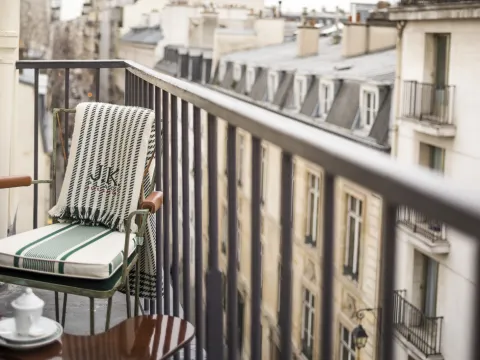
Rooms in the historic centre rarely follow the generous proportions of international chains. Many hotels occupy 18th or 19th‑century buildings, which means charming details but also irregular layouts. A “standard” room may be compact, with just enough space for a double bed, a small desk and a wardrobe, while higher categories gain a sitting area or a view over a courtyard or city roofs; suites and junior suites are where you usually find more expansive layouts.
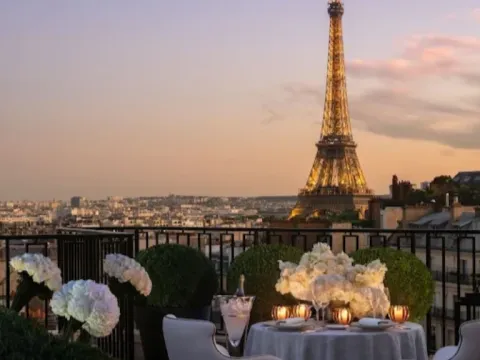
Guests used to large suburban properties sometimes find this surprising. The trade‑off is that you step out directly into the city instead of crossing a vast lobby and driveway. In central districts near the Hôtel de Ville or around the Île Saint‑Louis, some rooms offer glimpses of the Seine or church spires rather than a full Eiffel Tower panorama. When you do find a direct view of the Tour Eiffel from the centre, it is usually from upper floors and specific room types, which tend to sell out early in peak seasons.
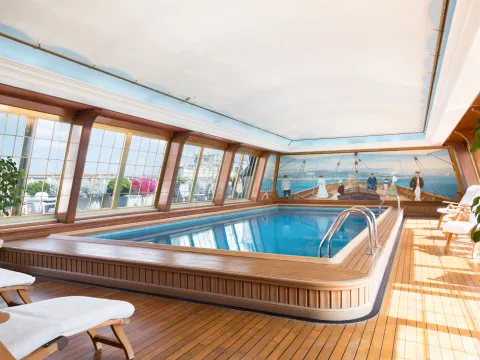
Service style varies with the number of stars and the size of the property. Smaller addresses in Saint‑Germain or the Latin Quarter often favour a more personal approach, with staff recognising returning guests and offering tailored suggestions for nearby restaurants or less obvious sites. Larger central hotels closer to the grands magasins tend to operate with more structured teams and a wider range of facilities, which suits travellers who prefer predictability and clear standards, including 24‑hour reception and on‑site dining.
Choosing the right central Paris area for your stay
For first‑time visitors, staying within walking distance of the Seine is usually the most rewarding option. A hotel between the Louvre and Notre‑Dame places you at the centre of the classic postcard city, with easy access to major sites and river walks. You can cross to the Left Bank for dinner in Saint‑Germain and return on foot along the quais, seeing the monuments lit up without needing to watch the last métro.
Repeat visitors often refine their preferences. Some gravitate towards the quieter streets behind the Palais Royal, where the arcades and gardens offer a calmer rhythm while still being firmly in the city centre. Others choose the lively streets around Odéon, where cinemas, theatres and late‑night brasseries keep the area animated long after the last museum closes, creating a neighbourhood feel even in a very central location.
If your priority is shopping and contemporary culture, the area stretching from Hôtel de Ville to the northern Marais gives you quick access to concept stores, galleries and smaller museums. From here, the métro takes you directly to the Champs‑Élysées or to the Eiffel Tower area, but your immediate surroundings feel more local than monumental. The right choice depends less on a generic “best” district and more on the version of Paris you want at your doorstep, whether that means café terraces, boutiques or quiet courtyards.
How central Paris compares to other areas
Staying in the city centre is not the only way to experience Paris, but it is the most immersive. Compared with outer districts near the périphérique or areas labelled with “porte” in their names, central neighbourhoods offer shorter travel times and a richer streetscape. You trade larger rooms and sometimes calmer nights for immediate access to the city’s cultural and historic core, where almost every corner reveals a church, a square or a market street.
Areas around the Eiffel Tower, for example, provide closer views of the monument but can feel more residential and spread out. You may rely more on the métro to reach the Latin Quarter, Saint‑Germain or the Louvre. Conversely, a central Paris hotel near the river lets you walk to several landmarks in a single day, even if you only see the Tour Eiffel from a distance, and makes it easier to return briefly to your room between visits.
Budget‑minded travellers sometimes look to simpler properties on the edges of the centre, near stations such as Gare de l’Est or in parts of the 10th arrondissement. These can offer more accessible options while still keeping you within a few métro stops of the main sites. The key is to check both the exact location and the nearest métro station, then decide whether you prefer to invest in space or in proximity, bearing in mind that transport costs and time also form part of the overall budget.
How to evaluate and compare central Paris hotels
When comparing hotels in the Paris city centre, start with three elements: precise location, access to transport and room type. A property with fewer stars but a prime position on the Seine or a quiet side street off boulevard Saint‑Germain can deliver a more satisfying stay than a higher‑rated address in a less convenient area. Look carefully at maps rather than relying only on broad district names, and note walking times to the river and to the nearest métro.
Room descriptions deserve the same attention. In older buildings, two rooms in the same category can differ in layout, ceiling height or view. If you value natural light, prioritise upper floors and mention this preference when you book. If you are sensitive to noise, a courtyard‑facing room in a central Paris hotel may be more comfortable than a street‑facing one, even if the latter offers a more dramatic city view, and reviews often give useful clues about sound insulation.
Finally, consider the overall character of the neighbourhood. A stay near the Hôtel de Ville or Châtelet places you in a busy transport hub with intense daytime and evening activity. A hotel deeper in Saint‑Germain or on the Île Saint‑Louis offers a more intimate, village‑like feel while remaining central. Neither is objectively better; each suits a different way of inhabiting the city, so match the area to your pace, whether you prefer late‑night energy or quieter streets.
Are hotels in Paris city centre worth it for a first visit ?
For a first stay in Paris, choosing a hotel in the city centre is usually worth it because you can walk to major sites such as Notre‑Dame, the Louvre and the Seine, reducing time spent in transport and helping you understand the city’s layout more quickly. The higher room rates and smaller spaces are balanced by the ability to explore on foot from morning to late evening, which often makes short trips feel fuller and less rushed.
Which central Paris neighbourhood is best for walking to the main attractions ?
The area between the Louvre, the Île de la Cité and Saint‑Germain‑des‑Prés is the most convenient for walking to key attractions, as you can reach Notre‑Dame, the river, the Latin Quarter and several major museums within 10 to 20 minutes on foot. Staying close to the Seine in this zone gives you the densest concentration of landmarks and pleasant walking routes, with cafés and métro stations spaced closely enough to make breaks easy.
How important is being near a métro station in the city centre ?
Even in the city centre, being within a short walk of a métro station such as Châtelet, Saint‑Germain‑des‑Prés or Odéon is very useful, as it allows quick access to areas further out like the Eiffel Tower, Montmartre or the Champs‑Élysées. A well‑connected station can save significant time and make day trips across the city smoother, especially if you are travelling with children, luggage or limited mobility.
Are rooms in central Paris hotels always small ?
Rooms in central Paris hotels are often smaller than in newer properties on the outskirts because many buildings are historic and have fixed layouts, but size varies widely between hotels and categories. If space matters to you, it is worth choosing a higher room category or a property known for larger layouts rather than assuming all central rooms are equally compact, and checking photos and floor plans can help set realistic expectations.
Is the Eiffel Tower within walking distance from most city centre hotels ?
From many hotels in the historic centre, the Eiffel Tower is not usually within a short walk, but it is easily reached by métro or a longer riverside stroll of around 45 minutes to one hour. Central locations prioritise proximity to the Seine, Notre‑Dame, the Louvre and Saint‑Germain, while direct views or immediate access to the Tour Eiffel are more common in western districts closer to the monument, so decide whether you prefer a postcard skyline or doorstep access to multiple sights.