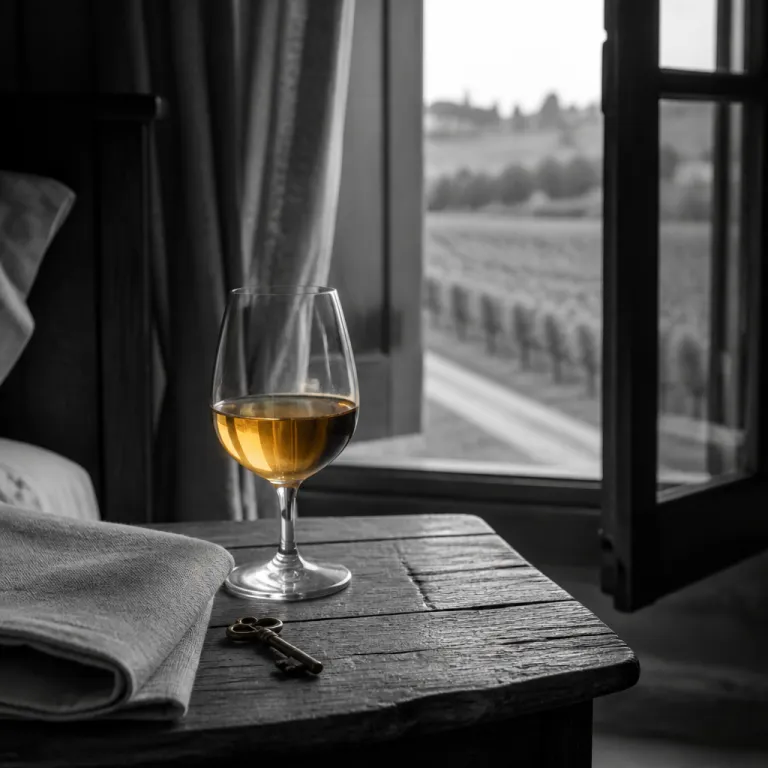
What defines a true wine estate hotel in France ?
A genuine wine estate hotel in France is built around the vineyards, not simply placed near them. The architecture, the pace of the day, and even the spa rituals follow the same rhythm as the wine cellar and the harvest. You feel the wine country culture in the rooms, the hotel restaurant, and the way the équipe talks about each parcel of vines.
In this kind of chateau or domaine, the winery and the hotel are inseparable, so your stay becomes part of the estate’s story rather than a backdrop for tastings. A true wine estate hotel in France is the sort of place where you wake to views of vineyards, walk to the cuverie, then return to a hotel spa that uses grape based treatments. When you book these hotels, you are choosing immersion in French art de vivre rather than a standard bed and breakfast with a few bottles on display.
Across France, from Bordeaux to the Loire Valley and from Burgundy to Champagne, more estates now treat hospitality as seriously as winemaking. The best wine resort properties offer refined rooms or a private villa, a serious wine cellar, and a restaurant that cooks with what grows between the rows. When you check availability, look for estates that mention harvest activities, sommelier led tastings, and direct access to vineyards rather than generic luxury promises, and always confirm current services and rates directly with the property.
Burgundy’s manor houses and domaines among the vines
Burgundy is where the idea of sleeping inside a working wine estate feels most intimate. Here, a chateau or seventeenth century manor often sits just above the vineyards, with rooms that look straight onto the rows of Pinot Noir and Chardonnay. The atmosphere is more about quiet luxury and deep terroir than showy hotel design.
Domaine de Cromey, a restored manor in the heart of France Burgundy near Nolay, is a textbook example of the kind of wine estate hotel France travelers seek for slow stays. Guests book elegant rooms in the main house, then move between the wine cellar, the gardens, and nearby vineyards for tastings and walks. Publicly listed high season rates at comparable Burgundy wine estates often fall in the 280–320 EUR range, but prices at individual properties such as Domaine de Cromey should always be checked on the official website or via direct contact, as they change with season and availability.
Another Burgundy address to check is Château de la Commaraine in Pommard, where the hotel spa and cuverie sit side by side. Here, curved stone, contemporary art, and a serious hotel restaurant frame tastings of Pommard premier cru, making the stay ideal for couples who want both design and depth. One sommelier describes the experience as “sleeping in the middle of a climat”, and when you check availability or start your booking, plan at least three to six months ahead, especially if you hope to visit during harvest festivals between August and October.
Maison Le Chevreuil in Meursault raises the bar again, with only ten rooms and Hästens beds throughout, a rare distinction among hotels in France. Curved showers echo wine vats, and deep wine red tones run through the design, turning each room into a quiet homage to the surrounding vineyards. For travelers planning a wider circuit of refined French hotels, pairing Burgundy with another region is easy using a planning guide such as where to base yourself for a week exploring France by hotel, then linking stays by train or private driver.
Champagne’s palaces of bubbles and vine to spa rituals
Champagne approaches the wine estate hotel France concept with more sparkle and a slightly more formal edge. Here, the chateau or manor often sits above a labyrinth of chalk cellars, and the spa leans into Champagne themed treatments. Couples come for the combination of vineyard views, serious cuvées, and hotel spa rituals that feel indulgent yet grounded in the region.
In Aÿ Champagne, Manoir Henri Giraud & Spa offers a restored nineteenth century manor where the winery, spa, and hotel blend into one discreet domaine. Guests can book rooms that overlook the vineyards, then move downstairs for tastings of Henri Giraud’s wines before a treatment that uses grape seed oils. Hostellerie La Briqueterie & Spa in Vinay, a village just south of Épernay in the Marne department, pairs a lush garden setting with a gourmet hotel restaurant and a spa that feels almost Riviera like in its calm.
Royal Champagne Hotel & Spa, recognized by Atout France with the Palace distinction, shows how Champagne is redefining the wine resort model with organic skincare and a more relaxed approach to service. Industry observers note a wider shift as “hotels moving from intimidating, prestige-driven wine culture toward "pinkies down" approachable programs”, and Champagne is at the forefront of that change. For couples, this means tastings that feel educational rather than stiff, with sommeliers happy to translate technical details into plain language.
These Champagne hotels often structure the day around the vineyards, from sunrise walks to sunset glasses on the terrace. During harvest, some estates invite guests to join grape picking or follow the pressing process, turning a simple stay into a hands on lesson in méthode champenoise. If you are planning to combine Champagne with France Provence, consider pairing a few nights here with a refined Provençal escape such as those highlighted in this guide to elegant places to stay in Provence, and aim to secure bookings four to eight months ahead for September and October stays.
From Provence to Bordeaux : vine to table and spa
Further south, the wine estate hotel France experience shifts again, this time toward sun drenched terraces and olive lined drives. In France Provence, estates weave together vineyards, art, and Mediterranean gardens, creating hotels where the pool, the villa, and the vines feel like one continuous landscape. The art de vivre here is slower, with long lunches, late dinners, and spa rituals that borrow from both the sea and the soil.
Domaine de Fontenille, often simply called Domaine Fontenille, is a benchmark for this style of stay, with a historic house, working vineyards, and a hotel restaurant that treats the kitchen garden as seriously as the wine list. Nearby in the Luberon, Bastide de Marie offers rooms and suites set among vines, where guests can book a villa style stay with private terraces and views over France Provence hillsides. Les Sources de Caudalie near Bordeaux, though technically in the southwest rather than Provence, pioneered the idea of a hotel spa built around vinotherapy, using grape extracts and vine shoots in treatments that are now widely referenced by regional tourism boards.
On the French Riviera, estates such as Villa Coste blend contemporary art, organic vineyards, and minimalist architecture into a very different expression of wine country. Around Aix Provence, you will find properties where the wine cellar doubles as a gallery, and where tastings are followed by walks through sculpture gardens. Couples who value design as much as wine will appreciate how these hotels turn the domaine itself into a curated experience, and may want to schedule at least two or three nights in each region to avoid rushed transfers.
In Provence and Bordeaux alike, the best wine resort stays revolve around the table. Expect menus that change with the seasons, olive oil from the estate, and pairings that highlight both local wine and neighboring appellations. If you want to extend the journey beyond wine, you can weave in coastal stays and cider routes using inspiration from itineraries such as Normandy coastal stays and cider route escapes, then return south for another vineyard stay, checking regional event calendars for food and wine festivals before finalizing dates.
Loire Valley, emerging regions, and how to book well
The Loire Valley and lesser known regions such as Alsace and Jura are where the wine estate hotel France story is still being written. Here, smaller domaines and family run chateaux are adding a handful of rooms or a quiet bed and breakfast wing to existing wineries. The result is often more personal, with owners pouring their own wines at breakfast or joining guests for informal tastings.
Along the Loire Valley, you will find chateau hotels where the vineyards roll down to the river and the hotel spa occupies former farm buildings. Some estates focus on a simple stay with comfortable rooms and a strong hotel restaurant, while others add pools, wellness spaces, and curated wine cellar experiences. In Alsace and Jura, the offer is more limited but growing, with a handful of hotels and villas set among steep vineyards and forested hillsides.
When you are ready to book, start by deciding whether you want a full service hotel, a more independent villa, or a small bed and breakfast attached to a domaine. Use official websites or trusted travel agencies to check availability, then contact the estate directly if you have specific questions about harvest activities, spa access, or restaurant reservations. Many estates advise guests to “Book in advance. Check for seasonal events. Arrange transportation.”, and that guidance holds true across Burgundy, Champagne, and beyond, with regional tourism boards encouraging travelers to verify opening dates and minimum stay requirements.
Average prices around 300 EUR per night for luxury vineyard stays reflect the combination of spa services, wine tastings, and gourmet dining, based on publicly listed high season ranges for properties such as Domaine de Cromey, Hostellerie La Briqueterie, and Les Sources de Caudalie. As regional tourism boards note, the rise in wine tourism and increased demand for luxury vineyard stays are encouraging more estates to open their doors. For couples, that means a growing number of chateaux and domaines across France now offer accommodation, from grand properties in France Burgundy to intimate estates in Champagne, each presenting its own interpretation of the wine country art de vivre.
FAQ
What amenities are typically offered at wine estate hotels in France ?
Most wine estate hotels in France offer spa services, wine tastings, and gourmet dining as core amenities. Many also include access to vineyards, guided cellar visits, and sommelier led experiences. In higher end hotels, you can expect pools, wellness areas, and concierge teams who arrange private tours or harvest activities.
Are wine estate hotels suitable for families as well as couples ?
Many estates are designed with couples in mind, but a significant number are suitable for families. Properties with larger rooms, suites, or a villa layout often welcome children and may offer pools and gardens for them to enjoy. Always check with the hotel in advance, as some chateaux prefer to keep the atmosphere very quiet and adult focused.
How far in advance should I book a wine estate stay ?
For popular regions such as Burgundy, Champagne, Provence, and Bordeaux, it is wise to book at least three months in advance. Harvest season from late summer into autumn is especially busy, and the best rooms can sell out even earlier. If you have specific dates or want a particular suite, check availability as soon as your travel plans are firm.
What is the average price per night for a luxury vineyard stay ?
Across Burgundy and Champagne, the average price per night for a luxury wine estate stay is around 300 EUR. Rates vary by region, room category, and season, with palatial properties and spa heavy resorts often charging more. Smaller bed and breakfast style domaines may be slightly lower, while exclusive villas or Palace level hotels can be significantly higher.
How many wine estates in France currently offer accommodation ?
Regional tourism boards report that the number of wine estates offering accommodation in France is rising each year, with dozens of properties in Burgundy and Champagne alone now welcoming overnight guests. This figure continues to evolve as more domaines add rooms, suites, or small hotels to their properties. When planning a trip, focus first on the region and style of stay you want, then refine your booking among the estates that match your expectations.
Trusted sources
Reputable information on French wine estate hotels and regional tourism can be found through Atout France, regional tourism boards for Burgundy and Champagne, and Relais & Châteaux publications, as well as the official websites of individual chateaux and domaines.