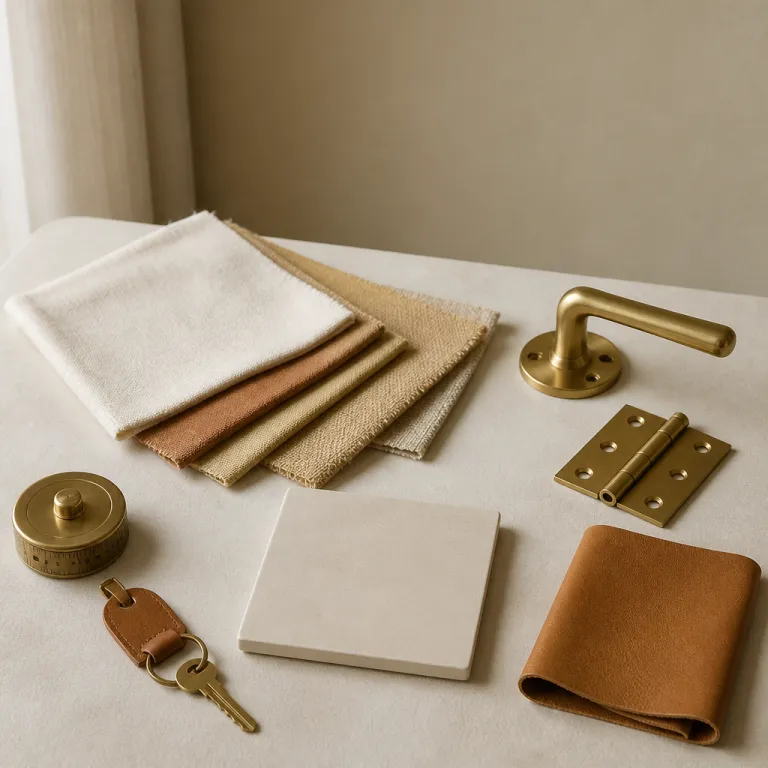
How refined interiors elevate your French luxury hotel stay
Elegant interior design shapes how you feel the moment you arrive. In a refined French luxury hotel, the design narrative of your experience starts at the lobby and continues seamlessly to your suite. Thoughtful materials, curated art, and precise lighting quietly signal that your stay will be both comfortable and memorable.
In France, many premium hotels blend Haussmann architecture with contemporary furniture to create a calm yet characterful atmosphere. This cohesive design approach respects original moldings, parquet floors, and marble fireplaces while introducing soft textiles, sculptural seating, and discreet technology. The result is a space where you can relax after a day of museum visits or business meetings without feeling overwhelmed by design statements. At properties such as Le Meurice in Paris or the InterContinental Bordeaux – Le Grand Hôtel, restored 19th century features sit alongside modern pieces by French designers like Philippe Starck, illustrating how heritage and comfort can coexist. As one Paris-based interior architect notes, “the goal is to make guests feel the history without ever sacrificing the ease of a contemporary home.”
When comparing options on a luxury and premium hotel booking website in France, pay attention to how interiors are photographed. Look for a coherent visual thread of design from public areas to rooms, rather than a mix of unrelated styles. Consistency across corridors, lounges, and suites usually reflects a serious investment in design and guest comfort, as seen in many five star hotels that have undergone full refurbishments since around 2015 to meet contemporary expectations. Before confirming a reservation, you can also consult the site’s dedicated region pages to compare how different destinations interpret French luxury through their interiors.
Choosing the right room style for your trip
Room design should match the purpose of your stay and your personal rhythm. A clear hierarchy of needs helps you decide between a classic Parisian room with ornate details or a minimalist suite overlooking the Mediterranean. Couples on a romantic break may prioritise mood lighting and plush fabrics, while business travellers often value ergonomic desks and generous storage.
On a premium booking platform, filter options by room type, then study the layout carefully. Notice whether the spatial organisation of the space separates sleeping, working, and lounging zones, which is crucial for longer stays. In cities like Paris, Lyon, and Bordeaux, well designed rooms often use sliding doors, mirrored wardrobes, and built in benches to maximise every square metre. For instance, many boutique hotels near the Opéra district in Paris now include compact work corners with integrated charging points so laptops and documents do not spill onto the bed. One frequent guest described the difference simply: “I stopped answering emails from the armchair because the little desk nook made the room feel like a real apartment.”
Bathrooms deserve equal attention because they strongly influence perceived luxury. A thoughtful composition of materials such as stone, brushed metal, and clear glass can make even a compact bathroom feel indulgent. Walk in showers with rainfall heads, heated towel rails, and generous counter space are now standard in many high end French hotels, especially those renovated after 2018 to align with international five star benchmarks and updated wellness expectations.
French design signatures to look for in luxury hotels
France has a long tradition of craftsmanship that appears subtly in hotel interiors. When browsing a booking website, you can often trace a stylistic lineage of design references from classic Parisian apartments to Riviera villas. Look for chevron parquet, wrought iron balconies, and tall windows dressed with linen or silk curtains.
Many luxury properties collaborate with French designers and artisans to create bespoke pieces. This culture of collaboration might result in custom headboards, hand blown glass lamps, or locally made ceramic tiles in bathrooms. Such details not only elevate aesthetics but also support regional know how, which matters to travellers seeking authenticity. Hotels like Cheval Blanc Courchevel or Hôtel Martinez in Cannes frequently highlight partnerships with local ateliers, from Savoyard carpenters to Riviera ceramic studios, to give each room a distinct sense of place. When you browse photo galleries, alt text descriptions such as “handcrafted oak headboard in a French luxury suite” or “bespoke Riviera ceramic tiles in a spa bathroom” can help you spot these collaborations even more easily.
Colour palettes in French premium hotels tend to be restrained yet warm. A balanced mix of neutrals, soft blues, and muted greens creates a restful backdrop for art and textiles. In coastal destinations like Nice or Biarritz, you may see brighter accents inspired by sea and sky, while mountain retreats in the Alps often favour natural wood and wool. Designers increasingly integrate sustainable materials, such as low VOC paints and responsibly sourced timber, reflecting broader European environmental standards introduced over the last decade.
Design details that signal true luxury on booking websites
Photographs on a booking platform reveal far more than basic room size. Train your eye to follow the continuity of details such as bedside lighting, fabric quality, and joinery. If lamps, switches, and sockets are well aligned and easy to reach, the hotel has likely invested in both design and usability.
Look closely at seating, especially in suites and lounges. A coherent arrangement of armchairs, sofas, and dining chairs suggests that the interior designer considered how guests actually move and sit. In luxury French hotels, you will often see deep armchairs near windows, small tables for drinks, and upholstered benches at the end of the bed. These elements indicate that the property expects guests to spend time reading, working, or socialising in the room rather than treating it as a simple sleeping space.
Public spaces also reveal the property’s priorities. A thoughtful flow of circulation from entrance to reception, bar, and restaurant reduces noise and crowding. When spaces flow naturally, you can move from breakfast to meetings to evening drinks without feeling lost or exposed. In larger Parisian palaces, for example, separate access to conference rooms and spas helps keep leisure areas calm even during busy corporate events. A recent renovation at one Left Bank five star hotel in 2022, for instance, reconfigured its lobby and bar to create quieter seating pockets, illustrating how layout changes can transform the guest experience without altering the building’s historic shell.
Regional interior design inspirations across France
Each French region brings its own aesthetic language to hotel interiors. In Provence, the design vocabulary of many hotels often includes limewashed walls, terracotta floors, and woven baskets that echo local farmhouses. On the Riviera, you are more likely to find pale stone, white upholstery, and large terraces that blur the line between inside and outside.
In Bordeaux and other wine regions, interiors frequently reference vineyards and châteaux. A refined layering of oak, leather, and deep colours creates a club like atmosphere that suits wine tasting and slow evenings. For ideas on how such settings feel during a stay, you can read about an elegant city escape in Bordeaux on this detailed guide to essential things to do in Bordeaux. Many wine estate hotels around Saint Émilion and the Médoc also display barrel staves, vintage maps, and framed labels as subtle nods to local culture.
Mountain hotels in the French Alps interpret comfort differently. Here, the interior concept of design often mixes natural stone, reclaimed wood, and thick wool throws to create a cocoon after skiing or hiking. Large windows frame the peaks, while fireplaces and soft lighting encourage guests to linger in lounges and bars. Properties in resorts such as Megève or Val d’Isère frequently add heated boot rooms and spa areas with panoramic pools, extending the sense of shelter and warmth beyond the bedroom.
Using interior design filters and photos to book with confidence
Many luxury and premium hotel booking websites in France now offer advanced filters. Use them to align the direction of your search with your design preferences, whether you favour classic elegance or contemporary minimalism. Selecting amenities such as spa access, balcony, or sea view also helps narrow down interiors that match your lifestyle.
Once you have a shortlist, study the photo galleries in detail. Follow the visual sequence of images from entrance to room, bathroom, and shared spaces to understand the overall atmosphere. Pay attention to natural light, ceiling height, and how furniture is arranged, because these elements affect comfort as much as surface finishes. If the same colour palette and materials appear throughout, the hotel has likely worked with a single design team rather than assembling rooms over time without a plan.
Guest reviews can complement what you see in photos. Look for comments that mention the standard of cleanliness, maintenance, and noise insulation, which are crucial for restful nights. When design, functionality, and service align, you are far more likely to feel that your chosen hotel truly matches the promise of its images, especially in competitive markets like Paris where new openings and renovations are announced almost every year.
Key figures on French luxury hotels and design trends
- According to Atout France, France welcomed around 90 million international visitors in 2019, which drives continuous investment in luxury hotel renovations to remain competitive among global destinations. This figure is drawn from Atout France’s tourism performance overview for that year, which many hotel groups use as a reference when planning refurbishment cycles.
- Data from the Union des Métiers et des Industries de l'Hôtellerie (UMIH) indicates that high end and luxury hotels represent a small share of total properties in France but generate a disproportionately high share of revenue per available room, reflecting strong demand for premium design and services. UMIH’s sector reports, updated regularly, highlight how upscale interiors and wellness facilities support higher average daily rates.
- Paris Convention and Visitors Bureau reports that Paris alone offers several hundred four and five star hotels, many of which have undergone major interior refurbishments over the last decade to align with contemporary luxury standards, including upgrades to bathrooms, lighting, and wellness areas. Recent examples include multi year renovations completed around 2016–2020 at several palace hotels, where suites were redesigned to introduce more natural light and flexible living spaces.
- Market analyses from firms such as Deloitte and PwC show that travellers increasingly prioritise design, wellness facilities, and sustainability features when choosing luxury accommodation, influencing how French hotels plan their interior upgrades and allocate renovation budgets. These hospitality outlooks, published annually, consistently underline the role of distinctive interiors in driving both occupancy and guest satisfaction.
FAQ about luxury hotel interiors and booking in France
How can I judge interior quality from hotel photos ?
Check alignment of details such as lighting, joinery, and textiles, then follow the visual storyline from lobby to room to see if the style is consistent. High resolution images of bathrooms, corridors, and public spaces often reveal whether the property has invested in recent renovations.
Are French luxury hotels usually in historic buildings ?
Many premium hotels in cities like Paris, Lyon, and Bordeaux occupy Haussmann or heritage buildings, where the interior concept of design blends preserved architectural features with contemporary comfort. Newer properties on the coast or near airports may be purpose built, offering larger windows and more flexible layouts.
What room features define a true luxury stay in France ?
Key indicators include high quality bedding, generous bathrooms, and well planned lighting, all organised through a coherent layout of space. Extras such as soundproofing, blackout curtains, and intuitive technology also distinguish luxury rooms from standard accommodation.
How far in advance should I book a luxury hotel in France ?
For peak periods such as major events or summer on the Riviera, start your research process several months ahead. Early booking increases your chances of securing the exact room category and interior style you prefer.
Do luxury hotels in France cater to families with design in mind ?
Many high end properties now create family suites and connecting rooms with a thoughtful layout that separates adult and child sleeping areas. Look for floor plans and descriptions that mention extra storage, flexible seating, and safe materials suitable for younger guests.