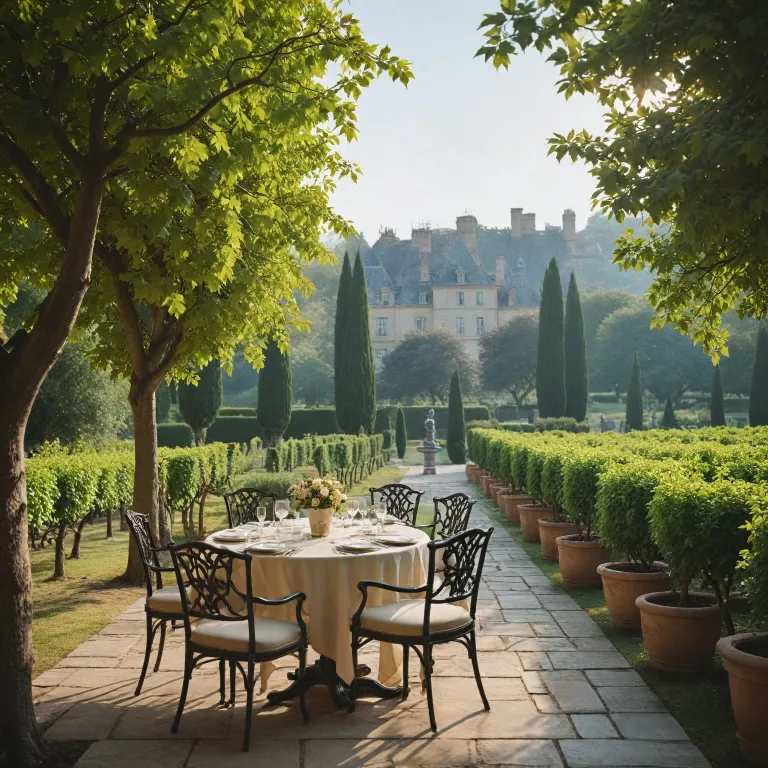
Staying in a Bordeaux chateau for a refined vineyard escape
Choosing a Bordeaux chateau for your stay means sleeping inside the region’s living wine heritage. Around the city Bordeaux area, many historic estates have transformed part of their castle wings into elegant hotel rooms with vineyard views. These Bordeaux rooms often blend antique furniture with contemporary comfort, creating a calm setting after a day of wine tasting.
The wider Bordeaux chateaux landscape stretches from the Left Bank to Saint Émilion and the Entre Deux Mers, offering a spectrum of styles and budgets. Some chateaux operate as a full hotel restaurant, pairing seasonal menus with their own wines, while others focus on intimate tasting rooms and private tours. When you visit Bordeaux, you can choose between a grand estate with a long drive lined by plane trees or a smaller castle surrounded by working vineyards.
Wine tourism has become central to the region’s strategy, with chateaux collaborating closely with wine merchants and tourism agencies. Bordeaux wine estates now design stays that combine guided vineyard walks, structured wine tasting sessions, and relaxed time by the pool or in landscaped gardens. This evolution allows guests to experience Bordeaux chateau life not only through the glass, but also through architecture, gastronomy, and attentive hospitality.
Planning your Bordeaux chateau stay across key appellations
Before booking a Bordeaux chateau, it helps to understand the main wine areas and their character. On the Left Bank, from the Médoc down to Pessac Léognan, you will find many grand cru and cru classé estates with imposing castle façades. These chateaux often sit amid vast vineyards, and some offer hotel services with spacious rooms overlooking rows of vines.
Across the Dordogne River, the Saint Émilion plateau and its surroundings host a dense concentration of wine estates. Here, a Bordeaux chateau stay might include views of medieval Saint Emilion village, limestone cellars, and easy access to renowned properties such as Château Cheval Blanc, a Premier Grand Cru Classé A. Further south and east, the Entre Deux Mers area offers more rural landscapes, where chateaux and smaller estates provide relaxed bases for guests who want to visit several appellations.
Closer to the city Bordeaux, Pessac Léognan combines suburban convenience with historic vineyards and prestigious names like Château Haut Brion, a Premier Grand Cru Classé. Many travelers choose to split their time between a hotel in the city Bordeaux center and a few nights in a Bordeaux chateau among the vineyards. This approach allows you to enjoy urban attractions such as La Cité du Vin, then retreat to quieter estates for immersive wine tasting and countryside walks.
Wine tasting, gastronomy, and hotel restaurants in Bordeaux chateaux
Staying in a Bordeaux chateau places you at the heart of wine tasting culture from morning to evening. Many estates schedule guided visits that start in the vineyards, continue through the vat rooms and cellars, and finish in dedicated tasting rooms. During these visits, you can compare different wines from the same estate, understand the impact of terroir, and appreciate the role of traditional viticulture alongside modern techniques.
Several chateaux now operate a full hotel restaurant concept, where the chef works closely with the cellar master. Menus highlight local produce, from oysters near Cap Ferret to lamb from the Médoc, paired with appropriate wines from the estate or neighboring properties. Guests often enjoy multi course dinners in castle dining rooms, followed by a quiet walk through the estate gardens before returning to their rooms.
Some of the region’s most prestigious names illustrate this blend of hospitality and wine excellence. Château Margaux and Château d’Yquem, both classified at the highest levels, focus primarily on wine but influence the broader standards of service and quality. Nearby, properties such as Château Lafaurie Peyraguey, often associated with the name Lafaurie Peyraguey and linked to artistic references like Toulouse Lautrec, show how a Bordeaux chateau can integrate art, gastronomy, and wine tourism into a single refined experience.
Iconic estates, grand crus, and immersive vineyard experiences
The Bordeaux region counts around 7 000 chateaux spread across approximately 112 000 hectares of vineyards, offering remarkable diversity for travelers. Many of these estates produce Bordeaux wines classified as grand cru or cru classé, which still reflect the influence of the historic 1855 Bordeaux Wine Classification. When you visit Bordeaux, you can arrange appointments at estates such as Château Margaux, Château Haut Brion, Château d’Yquem, and Château Cheval Blanc to deepen your understanding of these benchmark wines.
Wine tourism at these properties often goes beyond a simple tasting. Guests may join blending workshops, vertical tastings of older wines, or themed visits focusing on sustainable practices and organic farming. Some chateaux also provide limited hotel accommodation, allowing you to wake up inside the estate and walk directly into the vineyards at sunrise.
Villages like Bages near Pauillac illustrate how wine estates can anchor entire destinations, with Lynch Bages developing shops, casual dining, and cultural activities around the original wine estate. In Saint Emilion, properties such as Grand Barrail show how a Bordeaux chateau hotel can serve as a base for exploring multiple grand cru estates in a single stay. Across the region, the combination of grand architecture, carefully tended vineyards, and curated visitor programs creates a distinctive style of hospitality rooted in wine culture.
Balancing city Bordeaux stays with vineyard chateau nights
Many travelers choose to combine a stay in the city Bordeaux with nights in a Bordeaux chateau among the vines. In the city, international hotel brands and independent properties provide easy access to tram lines, restaurants, and cultural sites such as La Cité du Vin. From this base, you can arrange day trips to nearby vineyards in Pessac Léognan, the Médoc, or the Entre Deux Mers, returning each evening to urban comforts.
Spending at least a few nights in a Bordeaux chateau, however, offers a different rhythm and deeper connection to the region. Waking up in castle style surroundings, stepping out onto a terrace facing vineyards, and joining a morning wine tasting before other visitors arrive creates a more intimate experience. Some estates also offer wellness facilities, from pools to small spas, which complement the sensory focus of wine and gastronomy.
For travelers seeking a broader view of French luxury stays, resources such as this guide to where to stay in luxury France’s most exclusive hotels and villas can help position Bordeaux within a national itinerary. You might, for example, pair a Bordeaux chateau stay with time on the Atlantic coast near Cap Ferret or with cultural visits in other wine regions. This combination of city Bordeaux energy, coastal relaxation, and vineyard calm allows you to experience different facets of French hospitality within a single trip.
Practical tips for booking Bordeaux chateau hotels and visits
When planning a Bordeaux chateau stay, advance booking is essential, especially for peak seasons and sought after estates. Many chateaux limit the number of rooms and tasting slots to preserve a calm atmosphere, so reserving early ensures access to preferred dates and specific experiences such as vertical tastings. It is wise to book wine tours in advance, especially during peak seasons.
Consider structuring your itinerary around key appellations like Médoc, Saint Émilion, Pessac Léognan, and the Entre Deux Mers. This approach allows you to compare Left Bank and Right Bank styles, from structured cabernet based wines to softer merlot driven blends. Explore different appellations to experience the diversity of Bordeaux wines.
Many estates now emphasize sustainability, with increased focus on organic and biodynamic farming practices. You can ask during your visit how the estate manages its vineyards, water use, and biodiversity, and how these choices influence the final wines. Consider visiting during harvest season for a unique experience.
Designing a themed Bordeaux chateau itinerary around wine and culture
To make the most of a Bordeaux chateau trip, consider building a themed itinerary that links wine, culture, and landscape. One option is to focus on grand cru and cru classé estates, visiting properties such as Château Margaux, Château Haut Brion, and Château d’Yquem for structured tastings and in depth cellar tours. Another theme could center on sweet wines, with a stay at or near Château Lafaurie Peyraguey, sometimes referred to as Château Lafaurie, combined with visits to neighboring estates.
Art and history enthusiasts might design a route that connects chateaux with notable art collections or links to figures like Toulouse Lautrec. In parallel, you can weave in time at La Cité du Vin in the city Bordeaux, which offers interactive exhibits on global wine culture and complements on site tastings at individual estates. This balance between museum style learning and direct vineyard experiences enriches your understanding of Bordeaux wine.
For a broader regional circuit, you could start with a few nights in a hotel near Cap Ferret, continue inland to a Bordeaux chateau in the Médoc or near Bages and Lynch Bages, then finish with a stay close to Saint Emilion or Grand Barrail. Along the way, you will encounter a wide range of wines, from structured reds to elegant whites and sweet wines, all anchored by the hospitality of chateaux and their surrounding vineyards. Such an itinerary highlights how wine, architecture, and thoughtful hotel services combine to create a distinctive style of French luxury travel.
Key figures about Bordeaux chateaux and vineyards
- Number of Bordeaux châteaux : approximately 7 000 estates across the region.
- Total vineyard area in Bordeaux : around 112 000 hectares under vine.
- Annual wine production in Bordeaux : close to 5 million hectoliters each year.
Essential questions about Bordeaux chateaux stays
What is the significance of the 1855 Bordeaux Wine Classification?
The 1855 classification ranked Bordeaux wine estates based on reputation and trading price, establishing a hierarchy that still influences the wine market today.
Can visitors stay overnight at Bordeaux châteaux?
Some châteaux offer accommodations, providing guests with immersive experiences in the vineyards.
Are there dining options available at Bordeaux châteaux?
Yes, several châteaux have integrated dining experiences, ranging from simple tastings to full-scale restaurants.