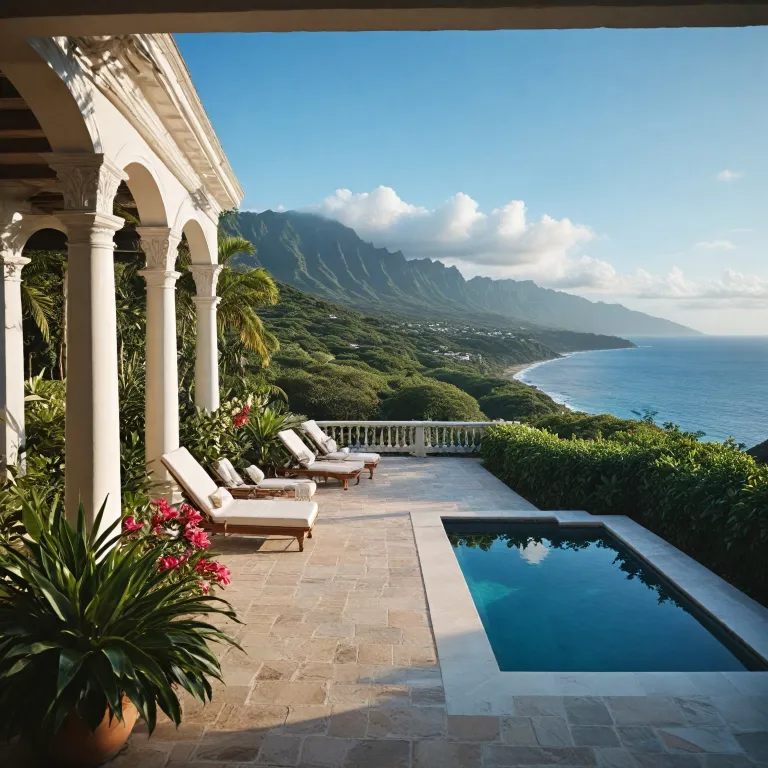
Historic Île de la Réunion mansions for cultured travelers
Île de la Réunion mansions offer a rare blend of heritage, comfort, and refined hospitality. These historic house estates in Saint-Denis, Saint-Paul, and Le Tampon reveal how a quiet environment can coexist with premium services and contemporary expectations. For travelers used to luxury hotels in mainland France, the island’s real estate legacy adds a deeper cultural layer to every stay.
Several emblematic properties illustrate this heritage, starting with Villa du Général, a 19th century mansion on rue de Paris in Saint-Denis. Nearby, Maison Kichenin and Château Lauratet show how a villa or house can evolve from private estate to public institution while preserving original rooms including generous varangues. Many of these Île de la Réunion mansions are listed as Monuments historiques, which guarantees strict preservation standards and controlled renovation fees.
On the highlands, Maison Bel-Air in Le Tampon, also called Château Bel-Air, demonstrates how a Creole property can integrate a swimming pool and landscaped acres without losing authenticity. Along the west coast, Villa Rivière in Saint-Paul welcomes visitors inside its villa rooms, including bedrooms and a traditional dining room overlooking tropical gardens. Some mansions are open to the public, while others remain private or host government services, so it is essential to check each website or message the local tourism office before planning a visit.
For guests comparing Île de la Réunion mansions with luxury hotels in Burgundy or Champagne, the key difference lies in the intimate scale and historical narrative. Here, the living room, bedrooms bathroom, and shaded terraces are part of a coherent architectural story rather than a purely contemporary design. This context helps travelers appreciate why cultural tourism and high end accommodation are increasingly intertwined on the island.
From heritage house to luxury stay on Île de la Réunion
Transforming a historic house into a premium stay requires careful balance between comfort and conservation. On Île de la Réunion, many mansions sit in prime locations such as Saint-Denis, Saint-Paul, Saint-Gilles-les-Bains, and Saint-Pierre, where real estate values and tourism demand are both high. Owners must respect Monument historique regulations while adapting villa rooms, including bedrooms and living spaces, to modern expectations for privacy and technology.
In practice, this means rethinking each living room, dining room, and suite layout without damaging original woodwork or stone. When a swimming pool or landscaped acres are added, architects work to preserve the quiet environment and historic view over gardens or the ocean. The goal is to maintain the feeling of an authentic estate while offering the same level of comfort as a leading luxury hotel in mainland France.
Travelers who appreciate refined French stays in wine regions often compare these island mansions with properties in Burgundy or Champagne. For instance, reading about a luxury hotel in Champagne for discerning travelers helps frame expectations regarding service, gastronomy, and curated experiences. On Île de la Réunion, the difference is that the Creole architecture and tropical environment shape every moment, from breakfast on the varangue to sunset by the pool.
Because some mansions now serve as public institutions, such as Château Lauratet in Saint-Denis, travelers must distinguish between visitable heritage sites and properties that accept overnight guests. Local real estate professionals, including networks like iad France, sometimes list a rare mansion for sale, but most remain long term family estates. For visitors, the most practical approach is to use a specialized booking website that clearly indicates room categories, bedrooms bathroom configurations, and any additional fees linked to heritage preservation.
Key destinations : Saint-Denis, west coast resorts, and highland estates
Choosing between different Île de la Réunion mansions starts with understanding the island’s main regions. In Saint-Denis, the capital, travelers find a dense concentration of historic house properties such as Villa du Général, Maison Kichenin, and Château Lauratet. These mansions place guests close to cultural institutions while offering a quiet environment in shaded gardens set back from the busy streets.
Further along the coast, Saint-Paul and Saint-Gilles-les-Bains attract visitors seeking sea views and access to the lagoon. Villa Rivière in Saint-Paul illustrates how a property can combine Creole architecture, refined villa rooms including bedrooms, and a landscaped park that feels like several acres in the heart of town. Around Saint-Gilles and Les Bains, contemporary villas with a swimming pool or infinity pool often echo the proportions of older mansions, with generous living room spaces and large openings to frame the ocean view.
On the southern side, Saint-Pierre and the surrounding communes such as Le Tampon and Saint-Louis offer a different atmosphere. Here, estates like Maison Bel-Air in Le Tampon or pierre Réunion properties near Tampon Réunion highlight cooler temperatures and panoramic views over the coast. Guests appreciate the combination of a quiet environment, spacious bedrooms bathroom suites, and gardens large enough to feel like a private estate without the maintenance burden of vast acres.
When comparing these regions, travelers should consider how they plan to explore the island. Staying near Saint-Denis or Saint-Paul suits cultural visits and business trips, while Saint-Gilles-les-Bains and Saint-Leu are ideal for lagoon activities and relaxed evenings by the swimming pool. For those who value authenticity and comfort in equal measure, a refined coastal hotel such as the Hotel du Midi in Palavas-les-Flots can serve as a useful benchmark when evaluating service standards in Île de la Réunion mansions.
Evaluating rooms, amenities, and quiet environments in mansions
When booking Île de la Réunion mansions, the configuration of rooms including shared spaces is as important as location. Many historic properties feature a central living room opening onto a varangue, with villa rooms including bedrooms arranged along a corridor or around a courtyard. This layout creates natural ventilation and a quiet environment, but it also means that sound insulation and privacy vary from one house to another.
Travelers should pay close attention to how bedrooms bathroom suites are described on each booking website. Some mansions offer large master bedrooms with ensuite bathrooms, while others maintain the original configuration with shared facilities between several rooms. If a swimming pool or landscaped garden is available, it is worth checking whether access is private to the estate or shared with neighboring properties, especially in dense areas like Saint-Gilles-les-Bains or Saint-Pierre.
Modern amenities such as air conditioning, high speed Wi-Fi, and secure parking are not always standard in older estates. However, many owners have invested in discreet upgrades that respect the historic fabric of the house while meeting contemporary expectations. Guests who value sustainability may also look for information about water management around the pool, energy efficient systems, and how the property protects its surrounding environment.
For families or groups, the number of villa rooms including bedrooms and the size of the dining room and living room are crucial. A mansion with several acres of garden and a large swimming pool may suit multi generational stays, while a compact estate in Saint-Denis or Saint-Paul can be perfect for shorter cultural breaks. Before confirming a reservation, it is wise to send a message through the booking website to clarify any questions about noise levels, quiet environment policies, and additional fees for extra guests.
Heritage, real estate value, and the role of iad France
The prestige of Île de la Réunion mansions is closely linked to their status within the island’s real estate market. With 169 Monuments historiques recorded in La Réunion, heritage protection plays a central role in how these properties are maintained and valued. When a mansion in Saint-Denis, Saint-Paul, or Saint-Pierre comes up for sale, it often attracts both local buyers and international investors interested in cultural tourism.
Real estate networks such as iad France occasionally feature a rare villa or house classified as a Monument historique. These listings usually highlight the number of bedrooms bathroom suites, the size of the living room and dining room, and the presence of a swimming pool or landscaped acres. Phrases like sale Saint-Denis, sale Saint-Paul, or sale Saint-Pierre Réunion indicate how limited the supply is, especially for estates with a quiet environment and unobstructed view.
For hospitality professionals, acquiring such a property involves more than negotiating a sale price. Restoration work must respect strict guidelines, and any modification to villa rooms including bedrooms, pool areas, or façades may require approval from heritage authorities. This can increase initial fees, but it also ensures that the mansion’s architectural integrity remains intact for future generations and for guests seeking authentic experiences.
Travelers benefit indirectly from this regulatory framework because it guarantees a certain level of quality and coherence. Whether staying near Saint-Gilles-les-Bains, Saint-Leu, Saint-Louis, or Tampon Réunion, guests can expect that listed mansions preserve their original character. When comparing options on a booking website, it is helpful to note whether the property is officially protected, how many rooms including suites are available, and whether the estate’s environment is likely to remain quiet over time.
Planning your stay and connecting Île de la Réunion with mainland France
Organizing a refined stay in Île de la Réunion mansions starts with defining priorities in terms of environment, comfort, and cultural interests. Travelers who value architecture may focus on Saint-Denis, Saint-Paul, and historic estates like Villa Rivière or Maison Bel-Air, where guided tours sometimes complement overnight stays. Those seeking sea oriented relaxation might prefer mansions or villas near Saint-Gilles-les-Bains, Saint-Leu, or Saint-Pierre, where a swimming pool and ocean view are central features.
When comparing options, it is useful to benchmark island properties against renowned French addresses. Reading about a refined stay in Burgundy wine country helps travelers understand how service, gastronomy, and landscape integration can shape a memorable experience. On Île de la Réunion, the same principles apply, but the Creole house architecture, tropical gardens, and volcanic panoramas give each estate a distinct identity.
Practical details matter as much as atmosphere when finalizing a reservation. Guests should check opening hours for visitable mansions, confirm whether photography is allowed, and verify any additional fees related to heritage maintenance or use of the pool. Sending a clear message through the booking website allows hosts to explain room configurations, including bedrooms bathroom arrangements, and to reassure guests about the quiet environment of the property.
As cultural tourism grows, partnerships between local government, tourism boards, and private owners help maintain these exceptional estates. Modern restoration techniques preserve original materials while integrating discreet comforts into villa rooms, living room spaces, and dining areas. For travelers, this means that each stay in an Île de la Réunion mansion offers both the intimacy of a private house and the professionalism expected from high end French hospitality.
Key figures about heritage mansions in La Réunion
- Number of Monuments historiques in La Réunion : 169 monuments (source : Direction régionale des affaires culturelles de La Réunion).
Essential questions about visiting Île de la Réunion mansions
Are these mansions open to the public ?
Some mansions, like Villa Rivière, are open to the public, while others serve as government offices or private residences.
What architectural styles are prevalent in these mansions ?
Many feature Creole architecture with neoclassical influences, characterized by varangues (verandas), wooden facades, and intricate detailing.
How can I learn more about the history of these mansions ?
Local tourism offices and cultural heritage organizations often provide detailed information and organize guided tours.